
T.T.N.
Trattamenti
Termici Nervianesi
for high-performance metal components
One contact
one solution
one partner
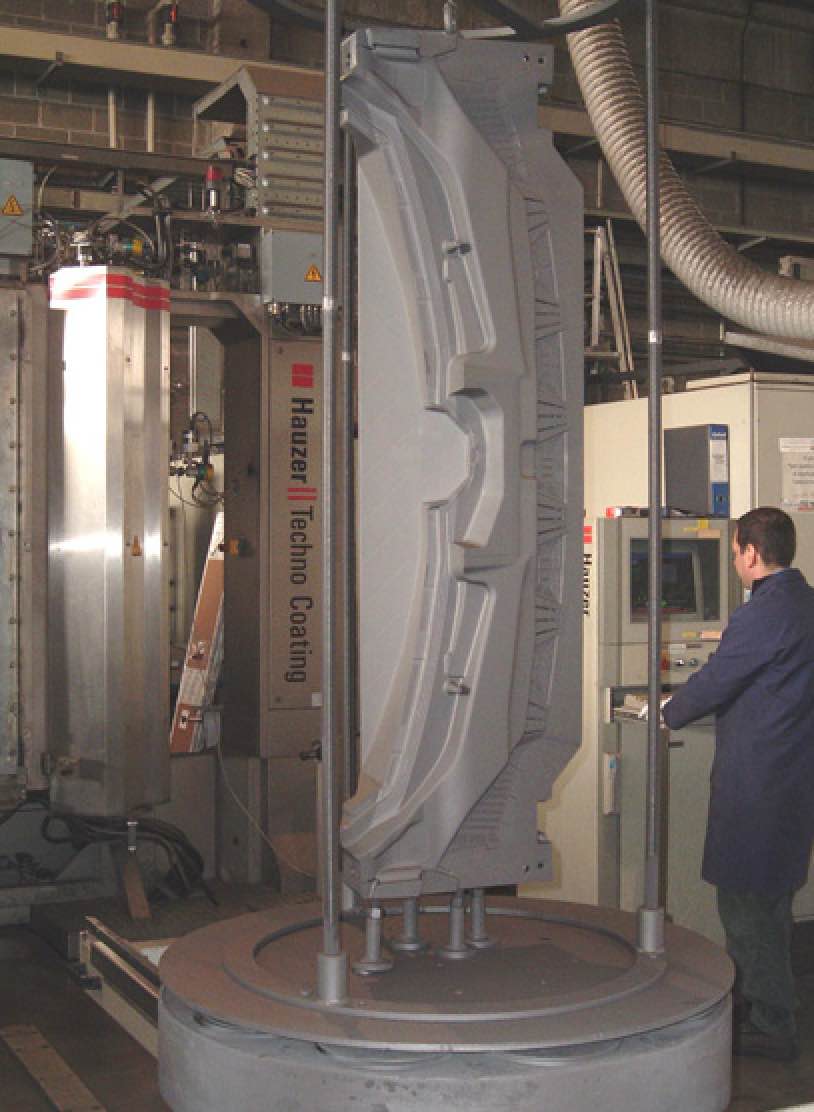
Steel hardening: enhanced resistance for components subject to high stresses
ardening is one of the most widely used heat treatment processes for modifying the mechanical properties of steels, particularly when increased hardness and improved material performance are required under demanding operating conditions. The process involves controlled heating of the component to a specific temperature, followed by rapid cooling that modifies the internal structure of the steel.
This treatment makes it possible to obtain materials with greater resistance to wear and mechanical stresses, while maintaining a good balance between hardness and toughness. In dedicated heat treatment departments, hardening is defined according to the type of steel, the geometry of the component, and the actual operating conditions it will be exposed to, selecting the most suitable method from the available technologies.
The hardening cycle is not standardized, but calibrated to ensure results that are consistent with the technical specifications and the component’s real operating use.
What steel hardening is and how it works
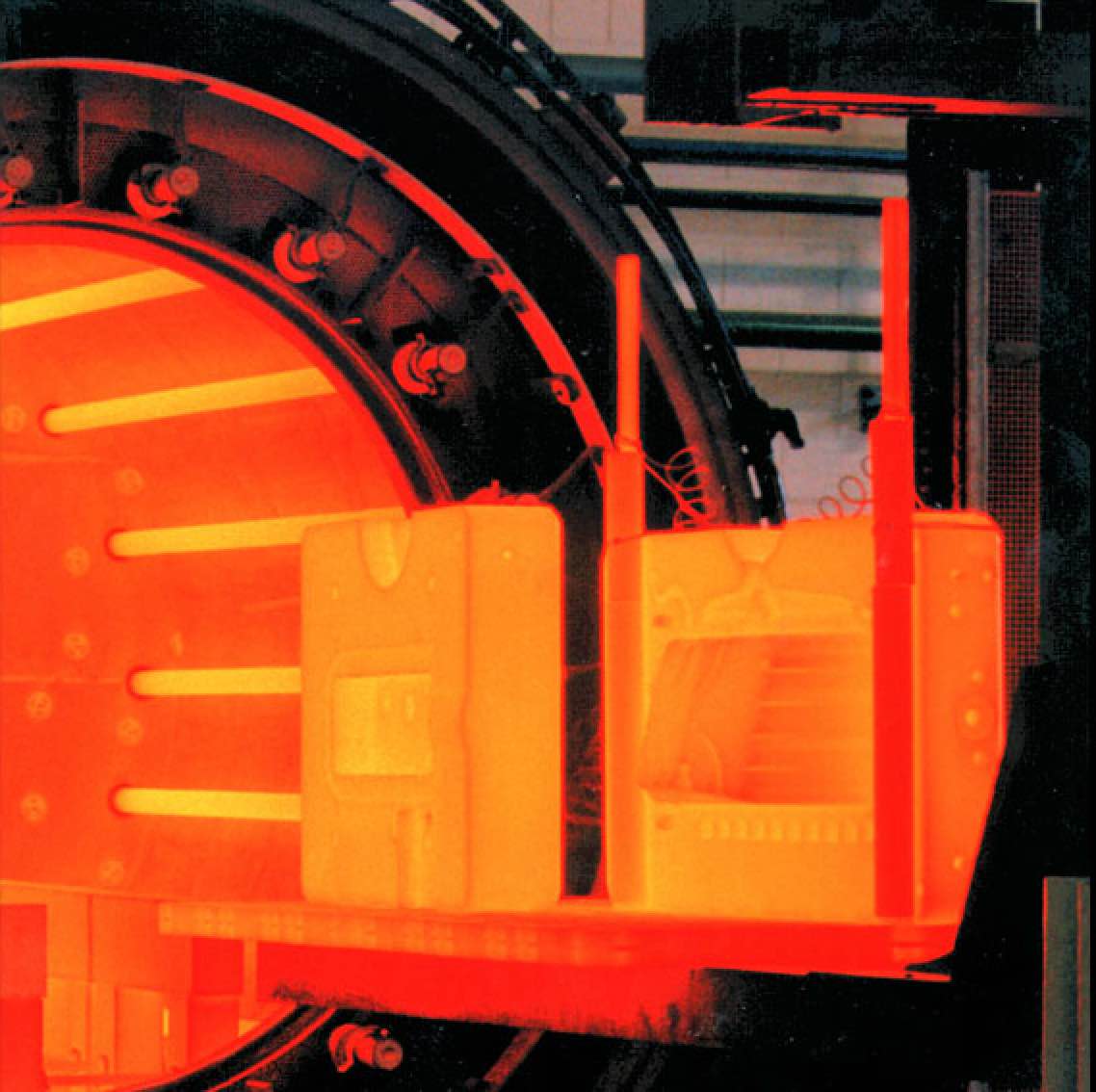
Hardening is a heat treatment cycle that involves heating steel to a high temperature, followed by rapid, controlled cooling in a suitable quenching medium, such as water, oil, or polymer-based solutions.
During this process, the metallurgical structure of the material is transformed, increasing hardness and mechanical strength. The result is a component capable of withstanding heavy mechanical loads, friction, and cyclic stresses.
In many cases, hardening is followed by tempering, which is necessary to reduce brittleness and stabilize the properties obtained.
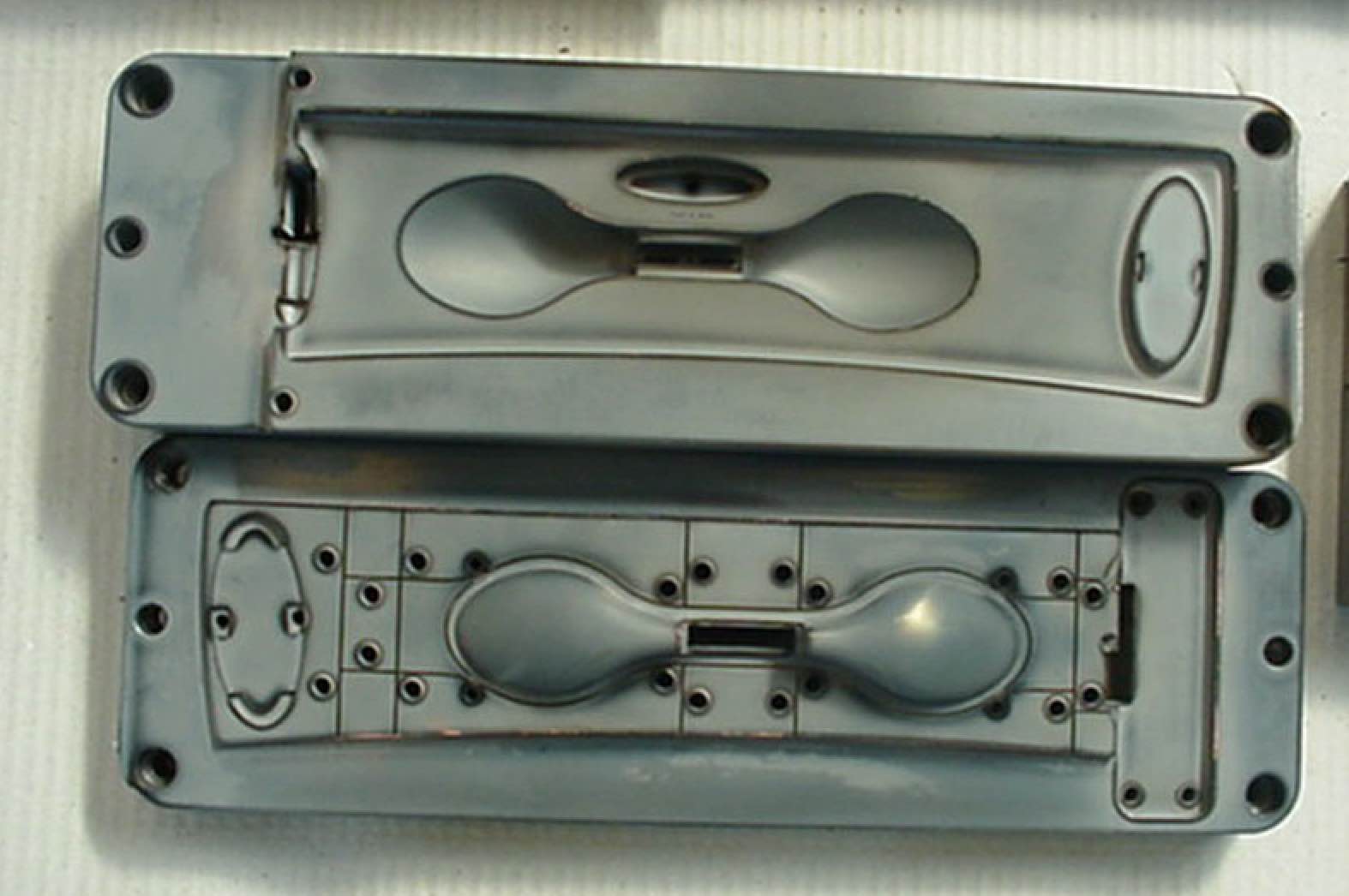
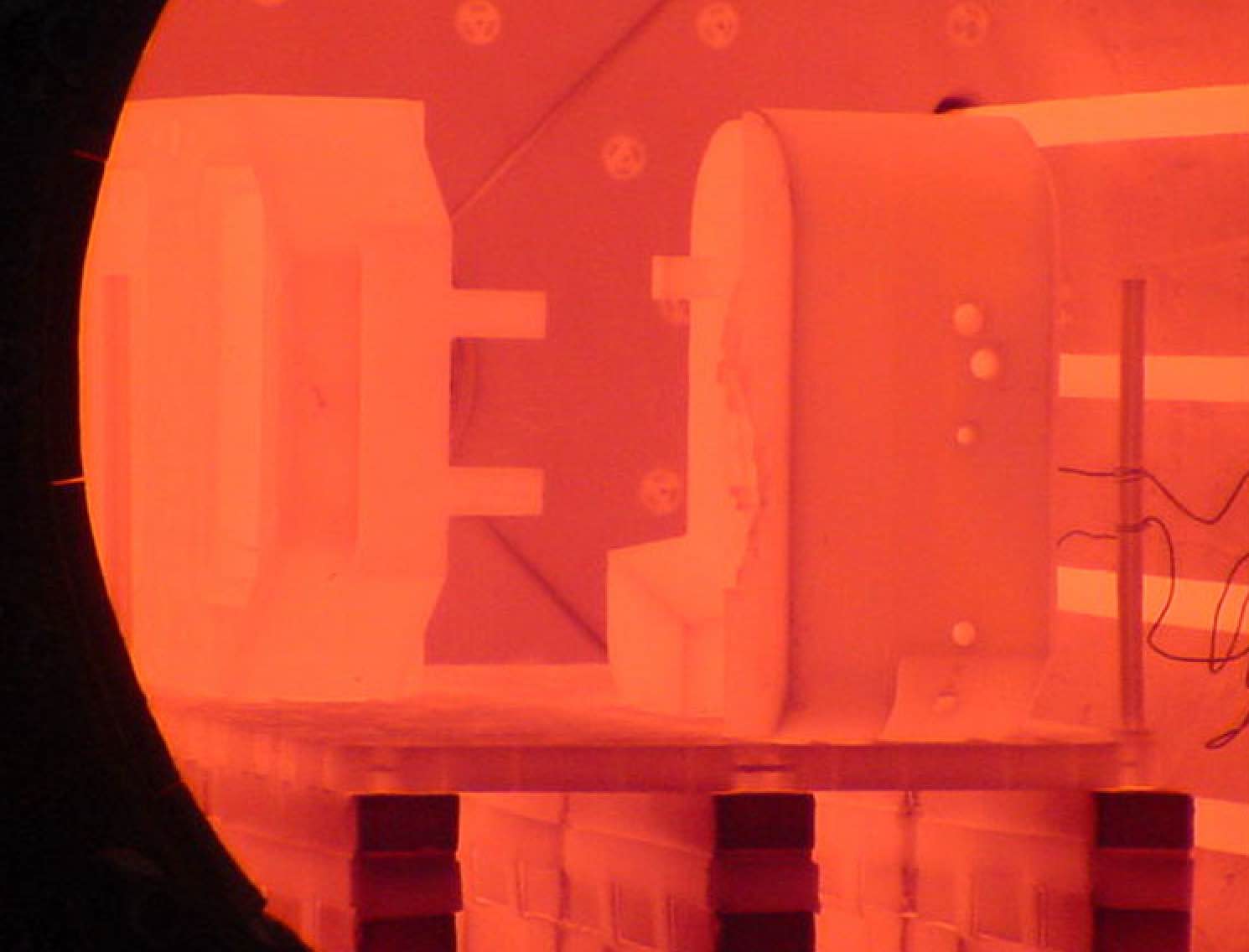
Available steel hardening methods
Different hardening technologies make it possible to adapt the treatment to the characteristics of the component, controlling heating uniformity, cooling rate, and the precision of the final result according to the requirements of the intended application.
Salt hardening
Salt hardening is used to achieve accurate control of the heat treatment cycle and a uniform material response. It is suitable when hardness, wear resistance, and component stability need to be improved through a controlled process.
Salt bath hardening
Salt bath hardening involves immersing the component in a molten salt bath, ensuring uniform heating, temperature control, and a reduced risk of distortion. It is especially useful for complex or large components.
Induction hardening
Induction hardening makes it possible to heat only specific areas of the component quickly and locally. It is particularly suitable when surface hardening is required while preserving a tougher core.
Vacuum hardening
Vacuum hardening is carried out in vacuum furnaces, preventing oxidation and decarburization. It is ideal for special steels and components that require high dimensional accuracy and high-quality surface finishes.
Laser hardening
Laser hardening makes it possible to selectively treat specific areas of the component through an extremely localized heat input. This technology allows precise treatment of complex geometries while minimizing distortion.
When hardening is the right heat treatment for your requirements
Hardening is used when the component is exposed to high friction and heavy mechanical loads. It is also particularly suitable in the presence of repeated stresses and progressive wear over time.
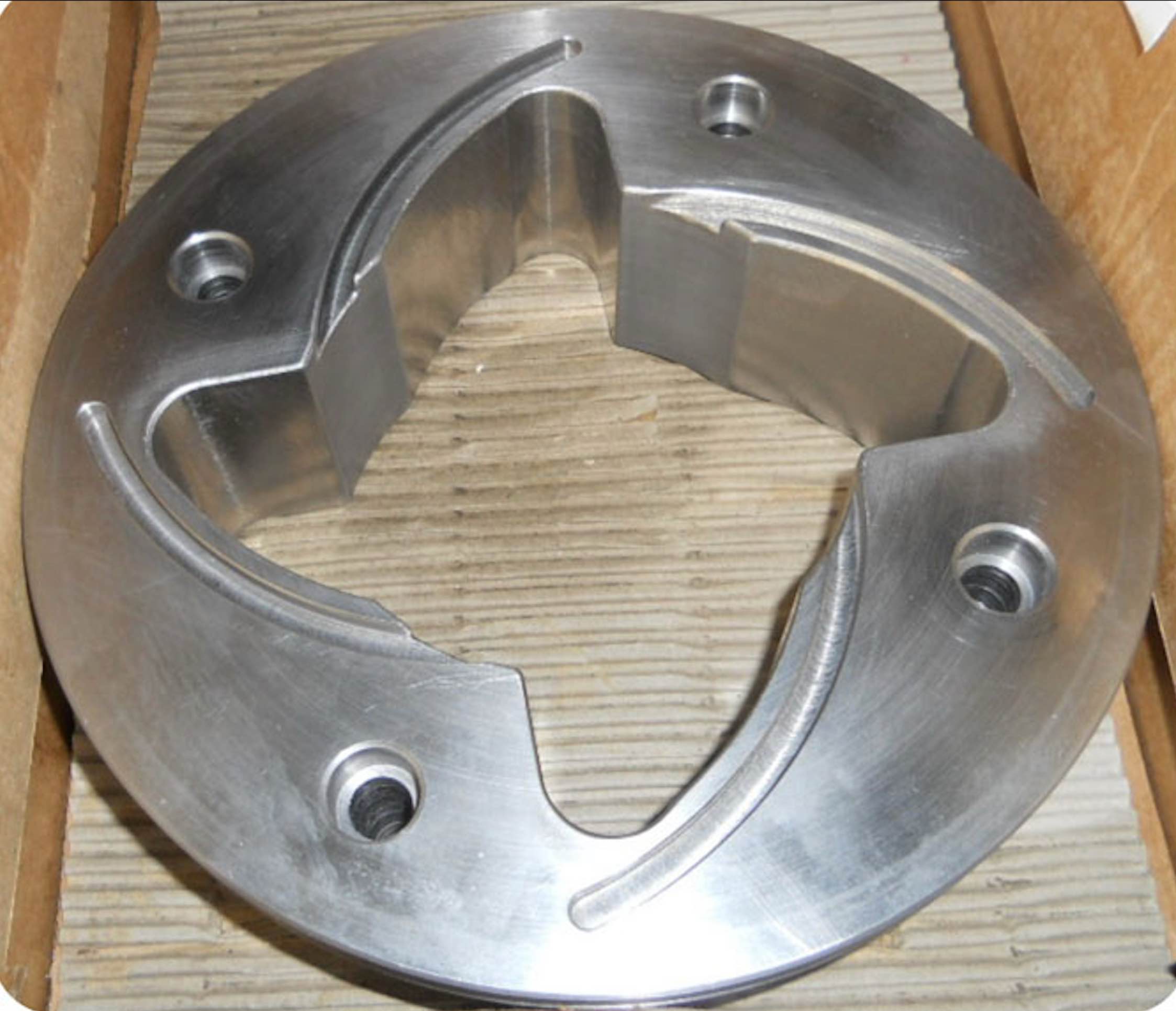
It is frequently applied to components such as gears, shafts, tools, and parts exposed to friction and wear, where surface resistance needs to be improved without compromising the overall reliability of the component.
T.T.N.
Reliability Forged in Every Treatment
T.T.N.
Operational benefits of hardening
When properly applied, hardening delivers tangible operational benefits.
These results depend on the correct definition of the heat treatment cycle and the choice of the most suitable technology, both of which are assessed on a case-by-case basis according to the required technical specifications.
Higher material hardness
Greater wear resistance
Improved fatigue performance
Longer component service life
Hardening and complementary treatments
Hardening can be combined with other treatments to achieve even more specific material properties.
In particular:
- tempering helps reduce material brittleness after hardening
- surface treatments, such as nitriding or PVD coating, can be applied afterwards to further improve wear resistance and component service life
This makes it possible to adapt the material properties precisely to the intended operating conditions.

