T.T.N.
Trattamenti
Termici Nervianesi
Heat treatment, coating and integrated machining
for high-performance metal components
One contact
one solution
one partner
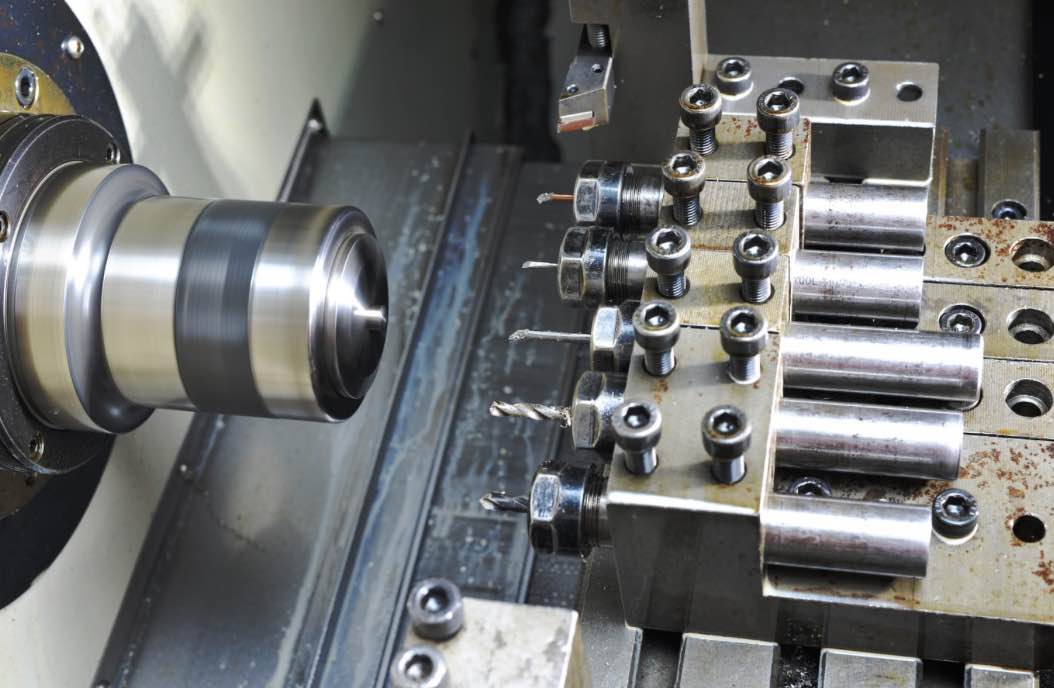
Custom finishes to drawing requirements: tailored machining for specific technical specifications
Custom finishes to drawing requirements, carried out in the final stage of the production cycle, become essential when a component must meet tight tolerances, precise mating requirements, or specific operating conditions. In these cases, standard machining processes are not sufficient and may lead to dimensional inaccuracies, assembly issues, or performance that is not consistent with real operating conditions.
Targeted machining makes it possible to adapt every detail of the component to the technical specifications, improving surface quality, geometric accuracy, and in-service functionality. This results in greater reliability, reduced rework, and better integration of the component within the system in which it is used.
Drawing-specified finishes are used in all contexts where components must fully comply with the project requirements, such as machining on complex geometries, non-standard parts, or elements intended for technically demanding sectors, where every detail affects final performance.
At T.T.N. S.p.A., each operation is developed starting from a technical analysis, integrating machining and inspection processes to ensure components that comply with the drawing, are ready for use, and are capable of maintaining consistent performance over time.
Machining defined according to customer specifications
Drawing-specified finishes are carried out according to precise instructions provided by the customer or the technical project, with the aim of obtaining components that are fully consistent with the final application. Each operation is calibrated according to complex geometries, the required dimensional tolerances, and operating conditions, avoiding adjustments or compromises during use and ensuring a result aligned with the technical specifications.
Precision and control in the final stages
Finishing operations represent a critical stage of the process, where every detail must be controlled to ensure the final quality of the component. The work focuses on dimensional accuracy, consistency between machined surfaces, surface quality suited to the component’s function, and result repeatability — all essential elements for validating the component before delivery or assembly.
T.T.N.
Available finishing operations
Drawing-specified finishes may include different machining and finishing operations, defined according to the technical requirements of the component.
These activities are developed on a case-by-case basis, according to the technical specifications and real operating conditions.
Precision machining of functional surfaces
Operations on complex or non-standard parts
Dimensional finishing for technical mating requirements
Adaptability to complex components
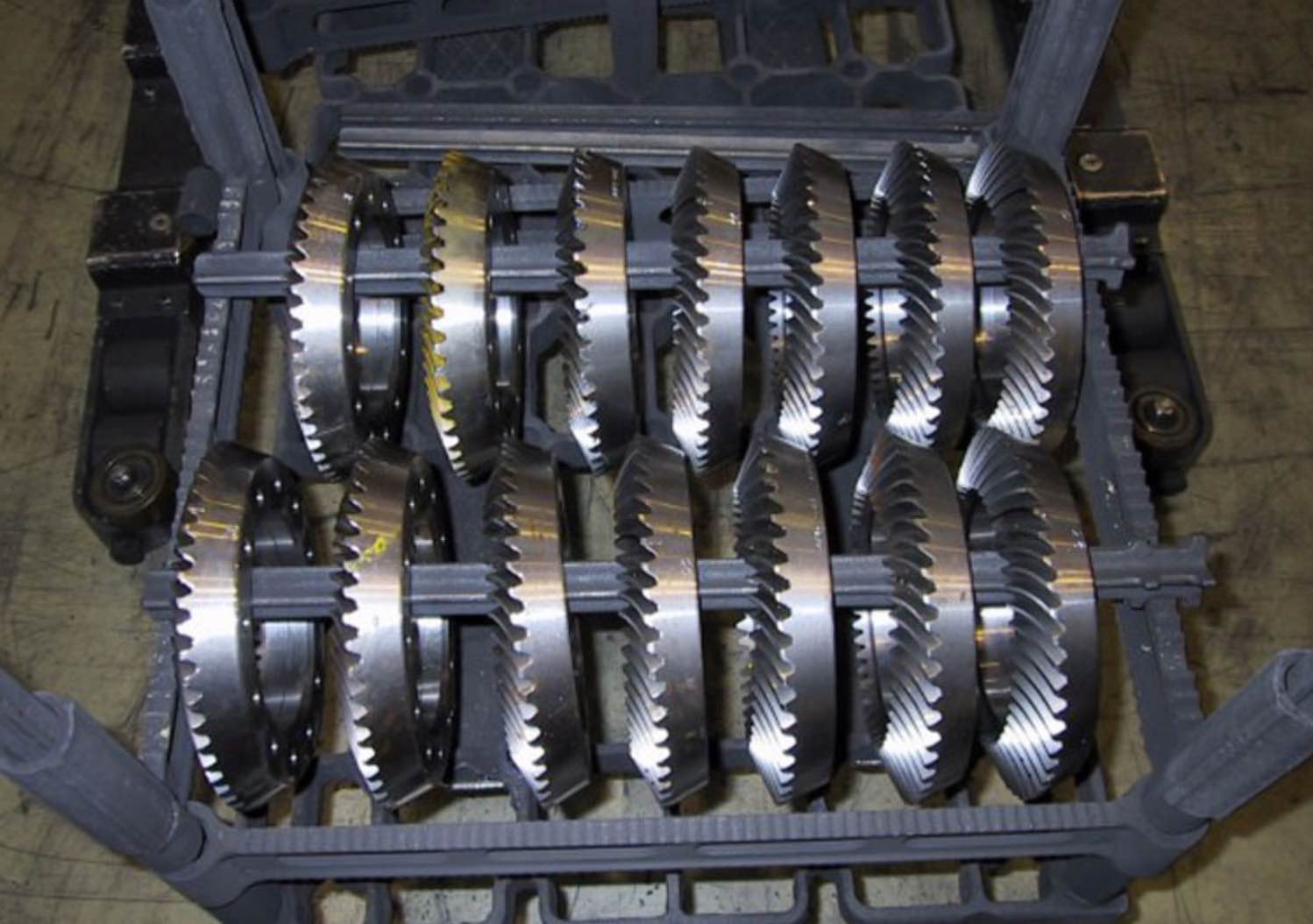
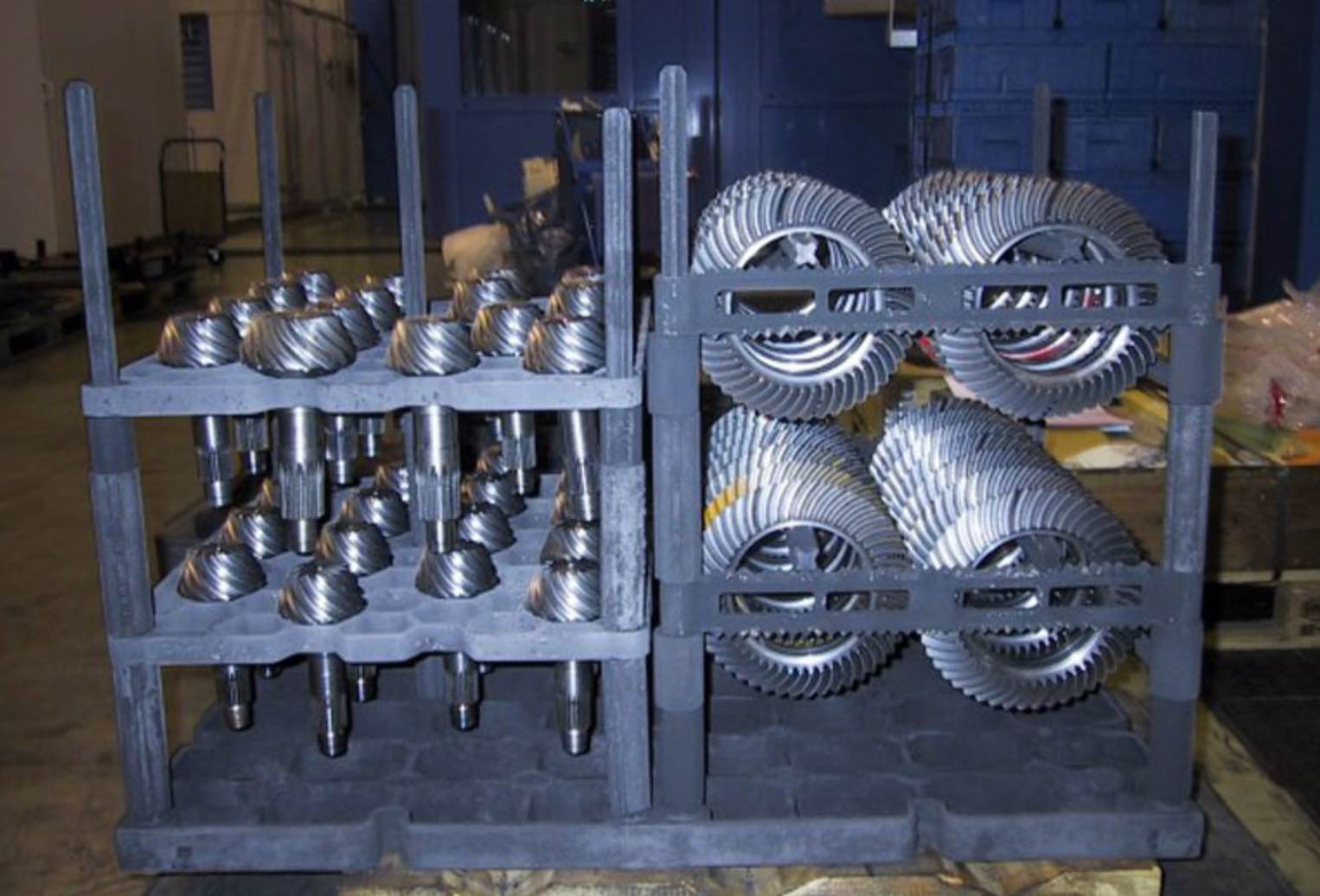
Custom finishes make it possible to work on components with specific characteristics, while maintaining control over complex geometries, large components, or parts that have already undergone heat treatment. This adaptability makes it possible to meet specific technical requirements even in complex operating contexts.
Integration with previous processes
Drawing-specified finishes are the final stage of a production cycle that may include forging, heat treatment, and machining. This makes it possible to maintain consistency between the different stages, ensure compliance with specifications, and obtain ready-to-use components with aligned characteristics in terms of structure, geometry, and surfaces.
A process focused on the final result
Custom finishes to drawing requirements make it possible to work precisely on the aspects that truly affect the final behavior of the component. Geometries, functional surfaces, dimensional tolerances, and construction details are adapted to the required technical specifications, avoiding compromises during assembly or use.
This approach makes it possible to obtain components that comply with the project requirements, are ready for integration into the customer’s production systems, and are capable of maintaining consistent results in service, even in technically complex applications.