T.T.N.
Trattamenti
Termici Nervianesi
Heat treatment, coating and integrated machining
for high-performance metal components
One contact
one solution
one partner
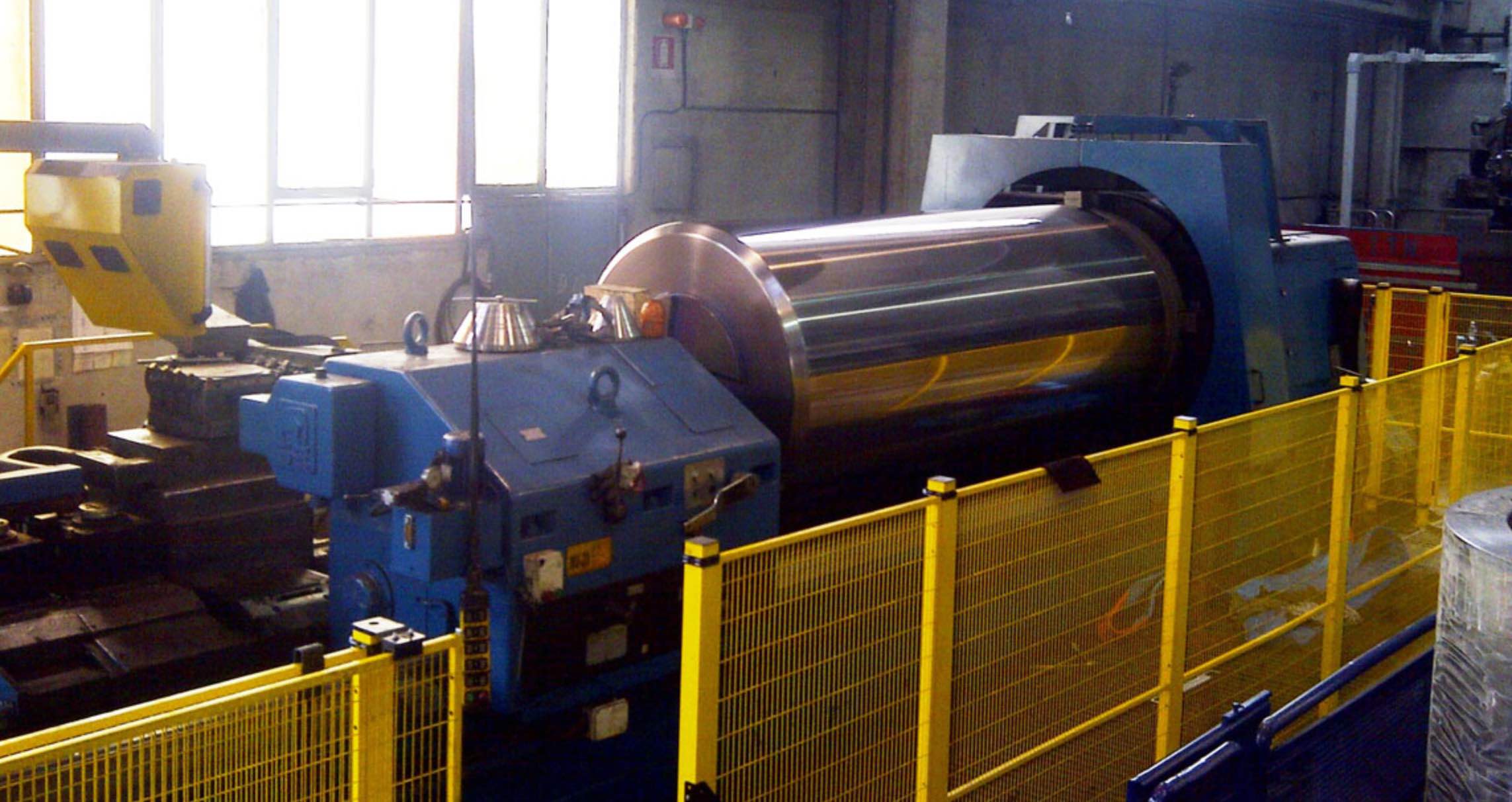
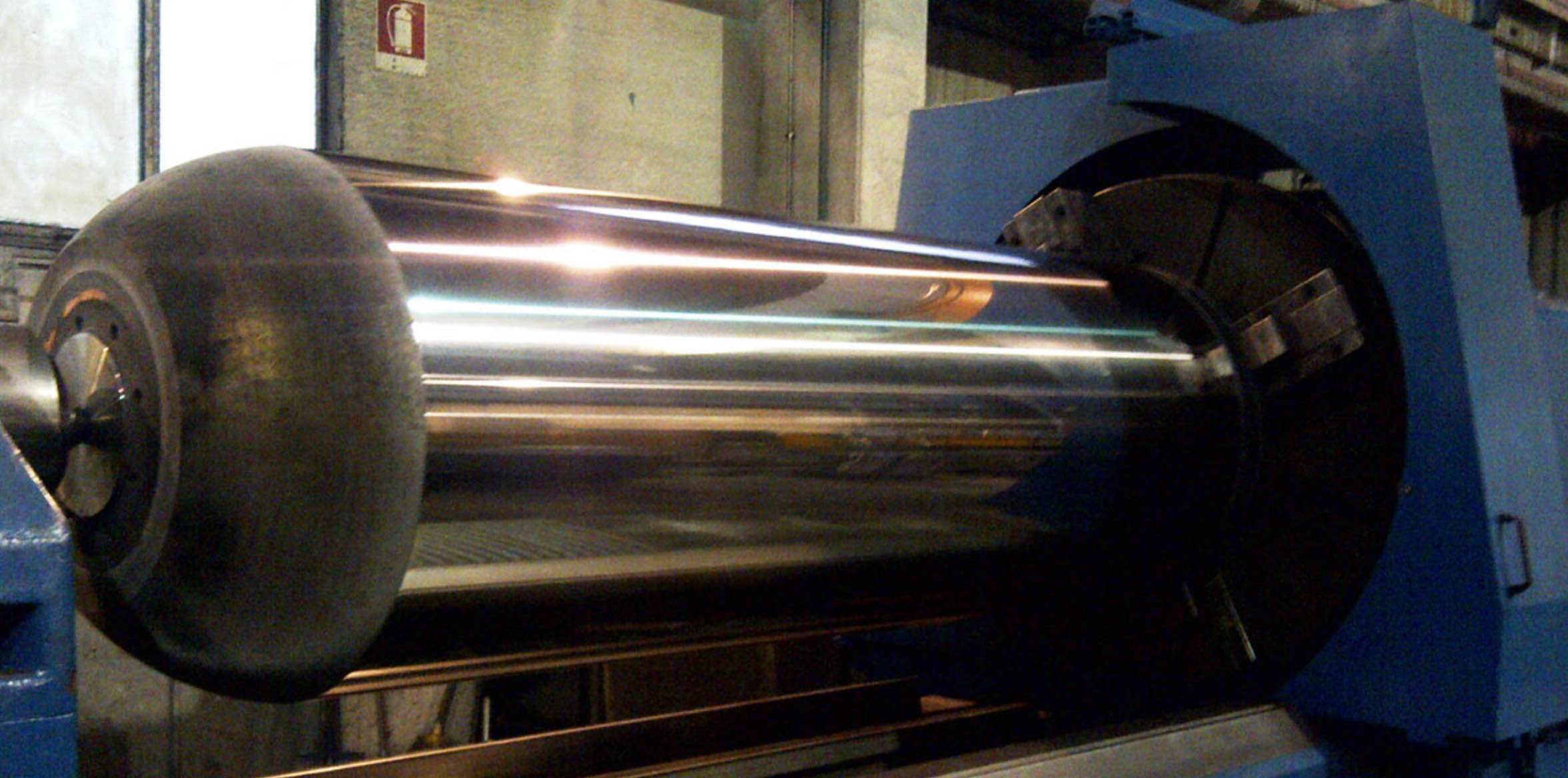
Precision grinding: surface finishing and tight tolerances for high-precision components
Precision grinding is an essential finishing process when extremely tight tolerances and controlled surface roughness are required. Without proper grinding, issues such as excessive friction, premature wear, non-compliant clearances, and problems with mechanical mating may arise, directly affecting component performance.
When properly performed, grinding makes it possible to correct dimensional deviations, improve surface quality, and ensure uniform load distribution, especially on components that have already undergone heat treatment. This results in greater reliability, reduced friction, and consistent performance over time.
At T.T.N. S.p.A., grinding is applied to components of varying complexity with the aim of obtaining high-precision functional surfaces capable of operating in critical conditions where accuracy and stability are essential.
What grinding is and how it works
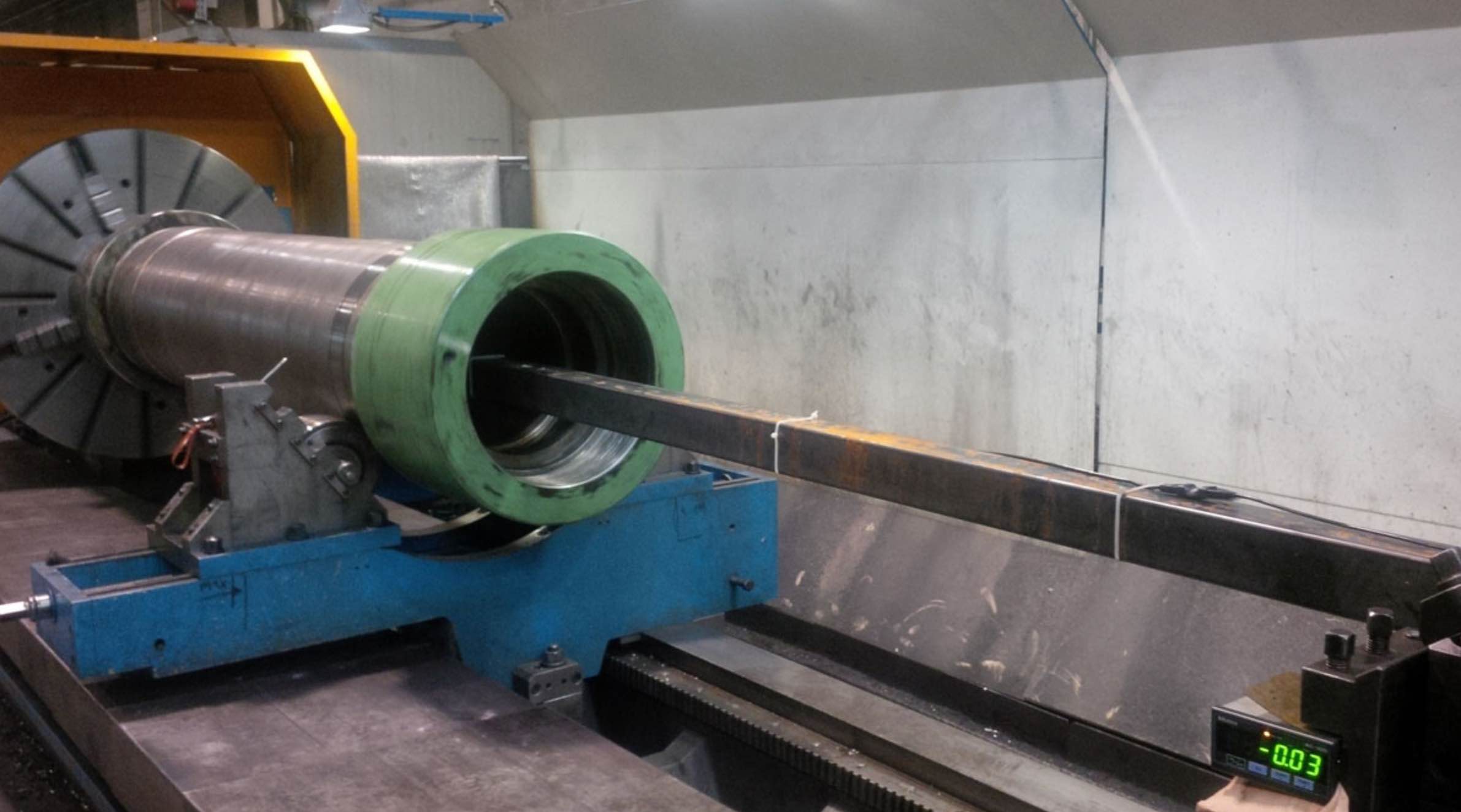
Grinding is a machining process in which a rotating abrasive wheel removes material from the surface of the component through a series of microscopic cuts.
During the process:
- the wheel comes into controlled contact with the workpiece
- material is removed in the form of very fine particles
- a surface with high geometric quality and finish is obtained
Depending on the application, grinding is defined according to the geometry of the component, the required tolerances, and the surface quality to be achieved. This makes it possible to adapt the process to the specific requirements of the part, while maintaining control over dimensional accuracy, finish, and in-service reliability.
Technical parameters and surface quality
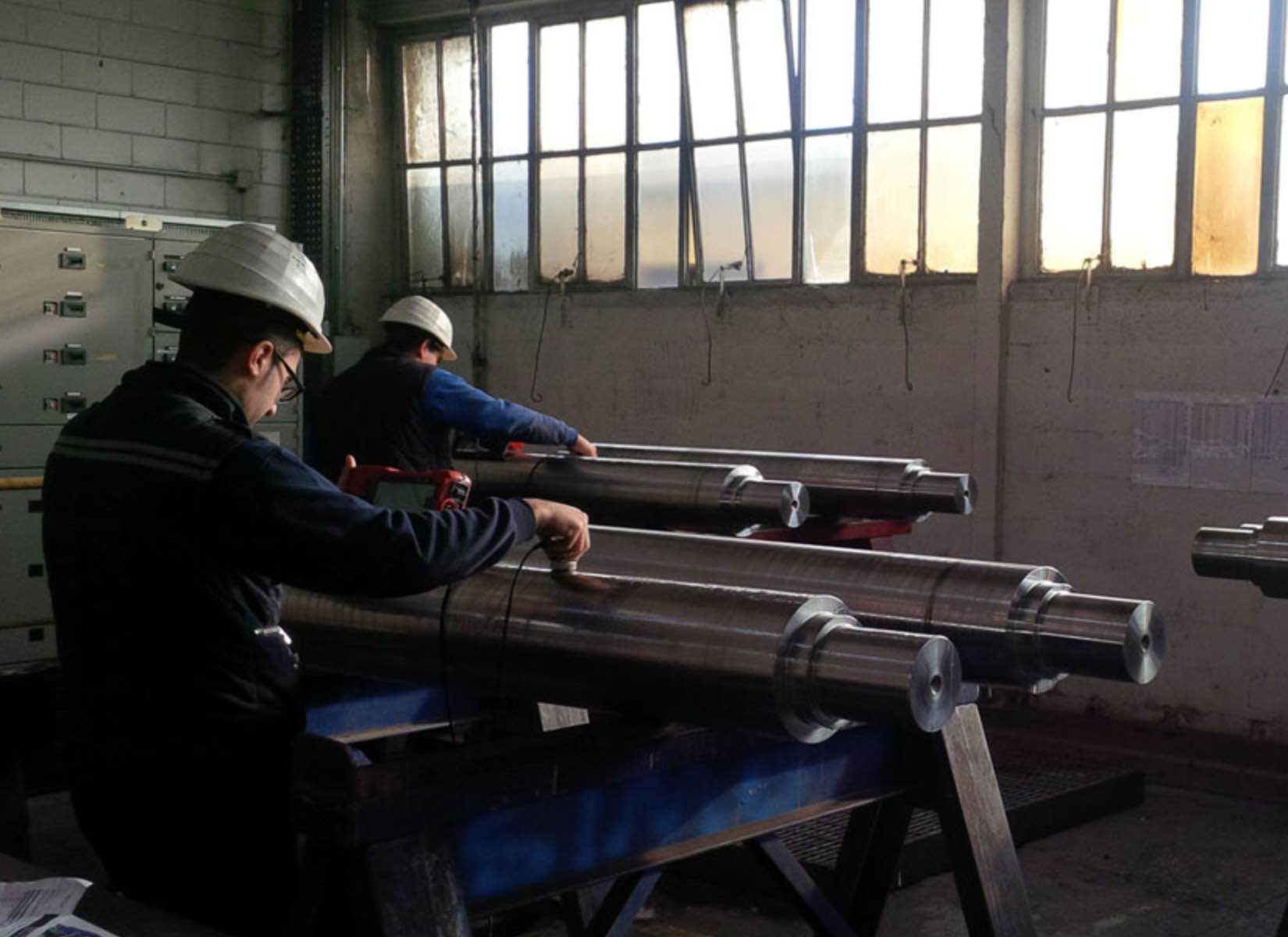
Grinding makes it possible to achieve high levels of precision through careful control of parameters such as very tight dimensional tolerances, high roundness and cylindricity, reduced surface roughness with very low Ra values, and component dimensional stability.
These factors are essential when surfaces need to ensure precise mating, controlled sliding, and uniform load distribution, preventing premature wear, vibration, or misalignment in service.
T.T.N.
Grinding applications
Grinding is used for components that require high-precision functional surfaces.
In these applications, surface quality has a direct impact on service life, performance, and reliability.
Benefits of precision grinding
Precision grinding provides key benefits in terms of high dimensional accuracy and high-quality surface finish, both of which are essential to ensure correct component operation. Reduced friction between surfaces improves in-service performance, while improved fatigue behavior helps reduce the risk of failure over time.
The result is greater performance stability, even under complex operating conditions, making grinding a critical process for technically demanding components.
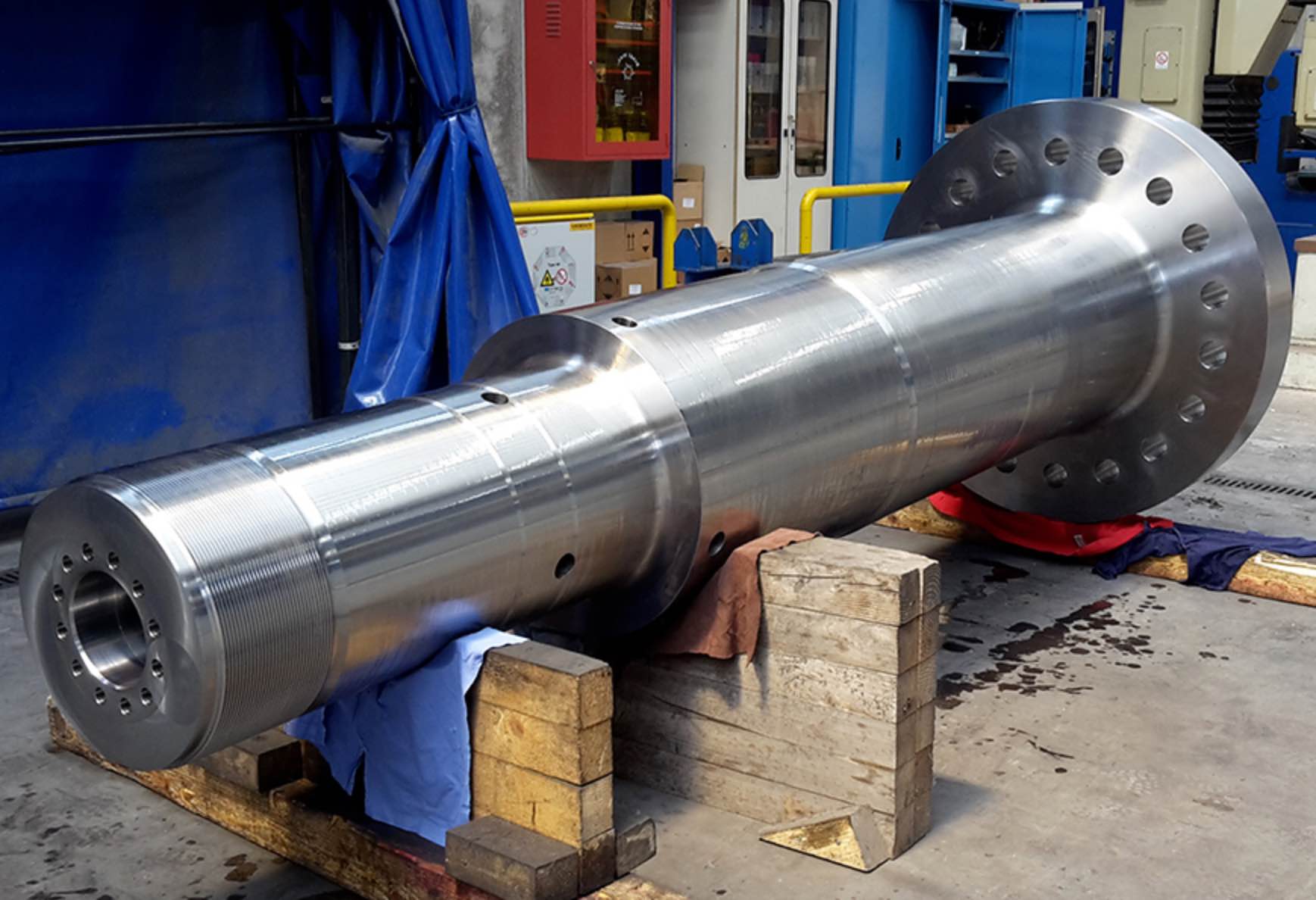
Shafts and precision cylindrical surfaces
Bearing seats
Mating surfaces
Components subject to friction and wear
T.T.N.
Reliability Forged in Every Treatment
Grinding after heat treatment
Precision grinding is often performed on components that have already undergone heat treatments such as hardening or quenching and tempering, when geometric accuracy needs to be restored after the heat treatment cycle. During these stages, slight dimensional variations or distortion may occur and, if not corrected, can compromise mating, sliding performance, and component stability in service.
Through grinding, the part can be brought back within the required tolerances, while improving surface quality in functional areas and ensuring geometry that is consistent with the project’s technical specifications.
Integration into the production cycle
Grinding is one of the final stages of the production cycle and is essential to ensuring the overall quality of the component. It integrates with preliminary machining processes, such as turning and milling, and with heat treatment, which defines the material properties, as well as any additional finishing operations carried out according to specific requirements.
This integration makes it possible to obtain ready-to-use components with consistent characteristics in terms of structure, geometry, and surface quality, reducing the risk of defects and improving in-service reliability.