
T.T.N.
Trattamenti
Termici Nervianesi
Heat treatment, coating and integrated machining
for high-performance metal components
One contact
one solution
one partner
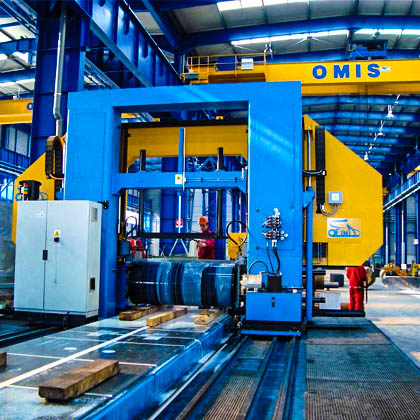
Straightening of metal components: restoring geometry and dimensional stability after processing
Straightening becomes necessary when components show deformation, misalignment, or dimensional deviations that may compromise correct in-service operation. These critical issues, often caused by heat treatment, forging, or previous machining stages, can lead to mating problems, abnormal wear, or difficulties during assembly.
Controlled intervention makes it possible to bring the component back within the required tolerances without altering the mechanical properties already obtained. Straightening therefore restores the correct geometry, improving dimensional stability and ensuring more reliable performance over time.
At T.T.N. S.p.A., straightening is applied to components of different sizes, including very long parts, with the aim of obtaining components that comply with technical specifications and are ready for subsequent stages or final use, reducing the risk of scrap or rework.
What straightening is and when it is necessary
Straightening consists of the controlled application of mechanical forces to correct deformation and misalignment in a component. It is necessary when the part shows geometric deviations, when previous processing stages have generated residual stresses, or when tight dimensional tolerances must be met.
This makes it possible to bring the component back within the design limits before subsequent stages or final use.
Deformation control and result accuracy
The straightening process requires accurate control of the applied forces and intervention points in order to correct deformation without introducing new critical issues. The goal is to maintain dimensional stability and ensure full consistency with the technical specifications, avoiding unwanted alterations to the material structure.
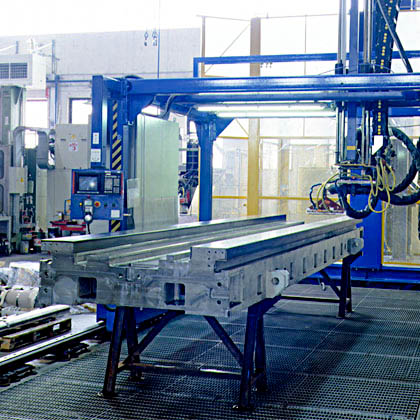
T.T.N.
Straightening applications
Straightening is used on components that must meet strict dimensional and geometric requirements.
In these cases, geometric correction is essential to ensure correct component operation.
Straightening of large components
Straightening can also be performed on large or very long components, where deformation is more complex to manage. At T.T.N. S.p.A., the process is carried out using dedicated equipment capable of handling significant diameters and lengths, heavy components, and complex geometries, while maintaining precision and control.
Shafts and cylindrical components
Long parts subject to bending
Heat-treated components
Large structural components
Straightening and previous operations
Straightening is generally performed after processes that may cause deformation, such as heat treatment or forging. It makes it possible to compensate for dimensional variations and prepare the component for subsequent stages, ensuring consistency between geometry and performance.
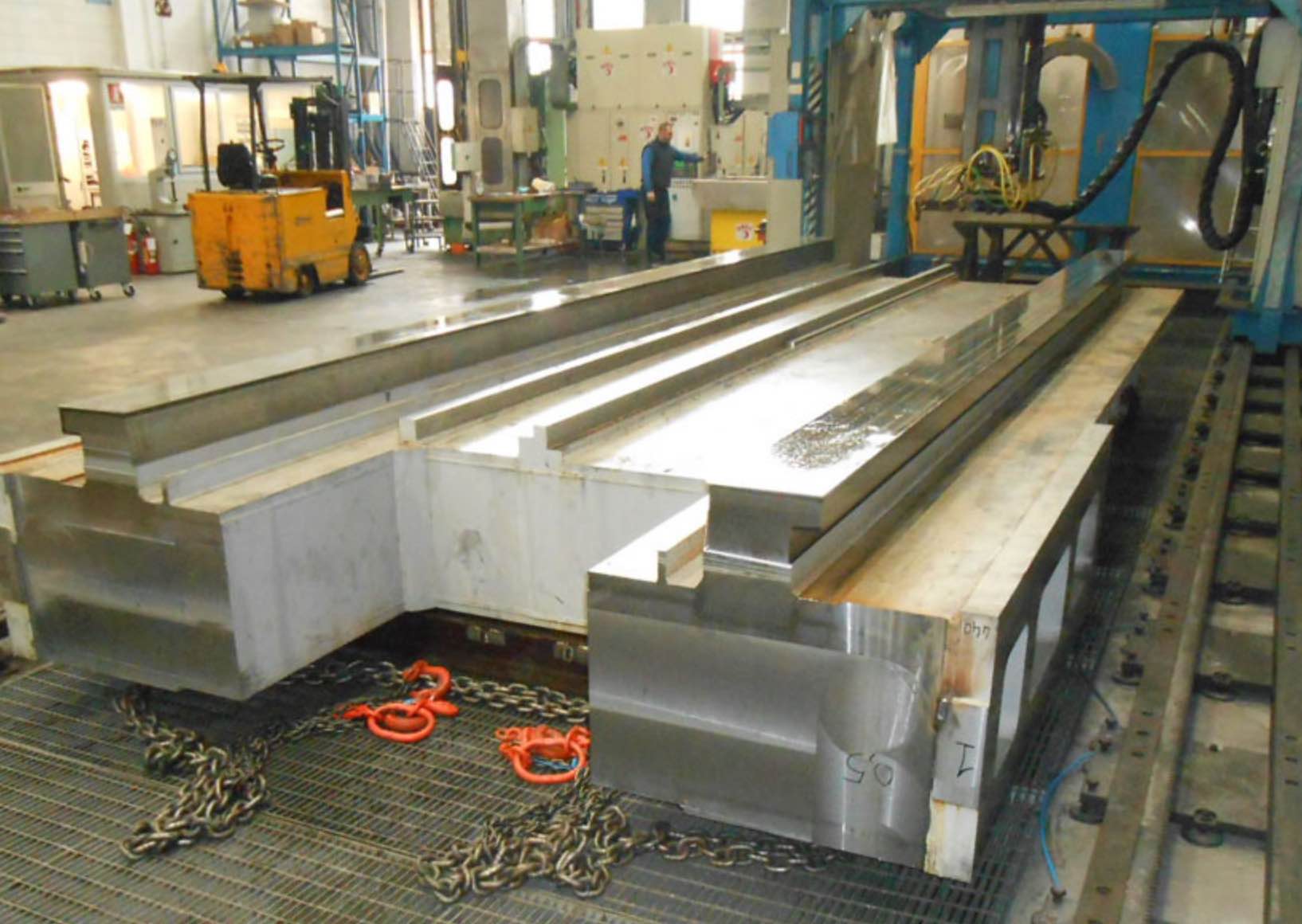
Integration into the production cycle
Straightening is part of an integrated production cycle, contributing to the final quality of the component and ensuring compliance with technical specifications before finishing operations, inspections, or assembly.
Benefits of straightening
When properly performed, straightening makes it possible to restore the original geometry of the component after deformation caused by heat treatment, forging, or previous machining processes. Accurate control of the applied forces allows the part to be brought back within the required dimensional tolerances without altering its mechanical properties.
This process reduces the risk of production scrap, limits the need for rework, and ensures greater consistency between geometry, assembly, and component behavior in the subsequent stages of the production cycle.