
T.T.N.
Trattamenti
Termici Nervianesi
Heat treatment, coating and integrated machining
for high-performance metal components
One contact
one solution
one partner
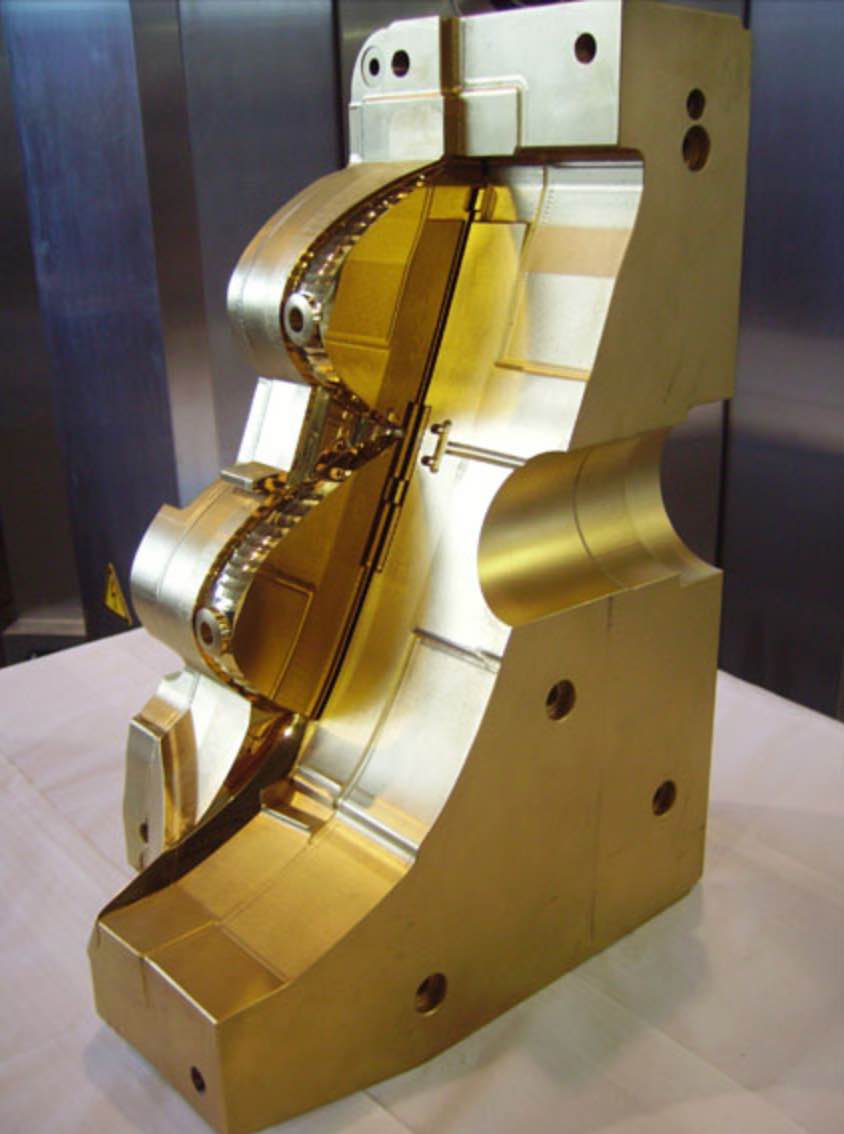
PVD surface coating: protection, friction reduction, and improved surface performance for components
PVD (Physical Vapor Deposition) surface coatings are used when components are exposed to high friction, premature wear, seizure, or critical operating conditions that compromise service life and reliability. By acting directly on the surface, they address real operating issues without modifying the material structure or dimensional tolerances.
The advantage is clear: the treatment focuses on the area where critical issues arise, improving in-service performance and increasing production process stability. At T.T.N. S.p.A., PVD coatings are applied as an integrated stage of the production cycle, helping obtain higher-performing components while reducing machine downtime, maintenance, and scrap.
Why apply a surface coating
When a component shows accelerated wear, high friction, or poor sliding performance, acting on the base material alone may not be enough. A coating makes it possible to modify contact conditions, improving actual performance without altering the geometry or internal structure of the component.
By applying functional thin films, it is possible to reduce the risk of seizure, increase wear resistance, and improve operational continuity, especially in processes involving repeated loads, high pressures, or severe working conditions.
PVD coating: technology and process parameters
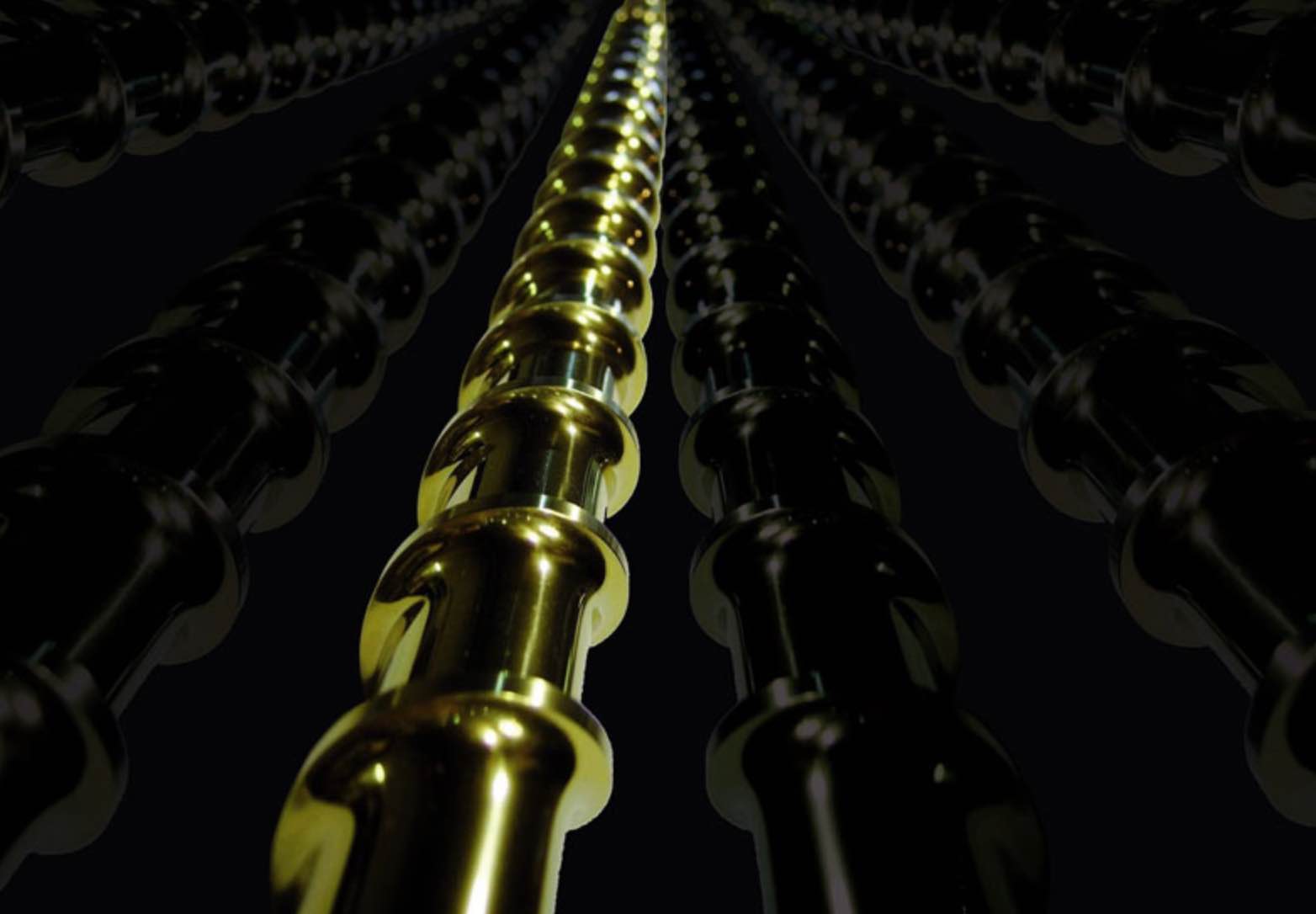
PVD coatings are produced through a physical deposition process in which the material is vaporized in a controlled atmosphere or under vacuum and then deposited onto the surface of the component. The cycle generally takes place at temperatures between 180 °C and 560 °C, allowing application even on components that have already been machined or heat treated.
Coating thickness typically ranges from 1 to 10 μm, improving surface performance without altering dimensional values or functional edges. The deposition process creates a compact, uniform, and strongly adherent layer capable of withstanding mechanical and thermal stresses.
Features
• Deposition temperature: approximately 180°C to 560°C
• Deposited thickness: 1 to 10 µm
• Excellent adhesion to the substrate
• Unaltered edges
• High coating hardness
• Low coefficient of friction
Maximum and minimum dimensions of the systems
Flexicoat 1000
Diameter 650 mm, height 800 mm, capacity 1000 kg
Flexicoat 100
Diameter 900 mm, height 1600 mm, capacity 3000 kg
Flexicoat 1200
Diameter 650 mm, height 1200 mm, capacity 1000 kg
MR 223
Diameter 400 mm, height 450 mm, capacity 300 kg
MR 333/89
Diameter 650 mm, height 2000 mm, capacity 600 kg
MR 333/90
Diameter 650 mm, height 800 mm, capacity 600 kg
T.T.N.
Functional properties and practical benefits
PVD coatings are designed to address specific issues related to the surface performance of components.
These properties help improve tool life and process quality, reducing the most common operational issues.
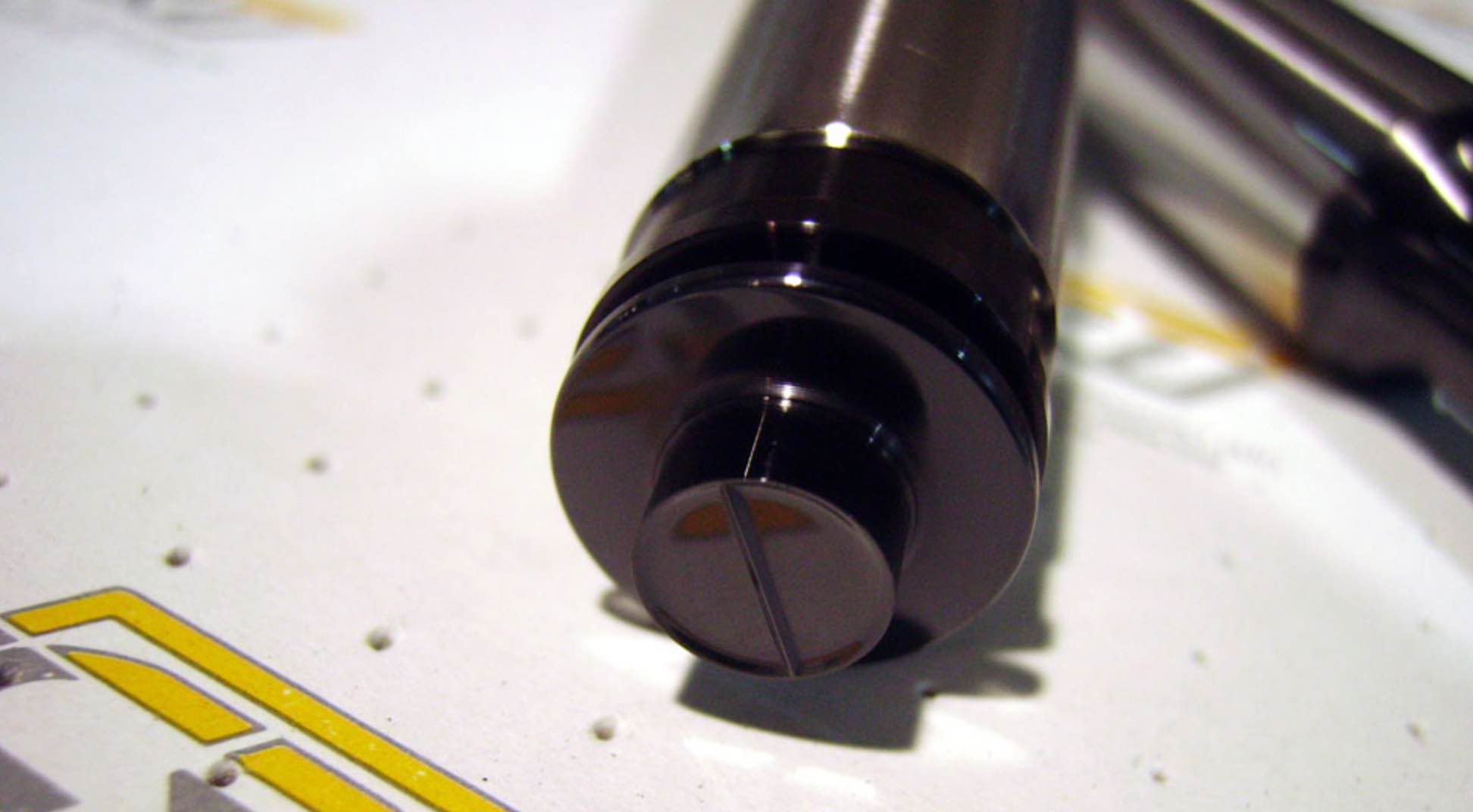
High surface hardness to counter wear
Low friction coefficient for improved sliding performance
Resistance to abrasive and adhesive wear
Protection against oxidation and chemical agents
Long-term surface stability
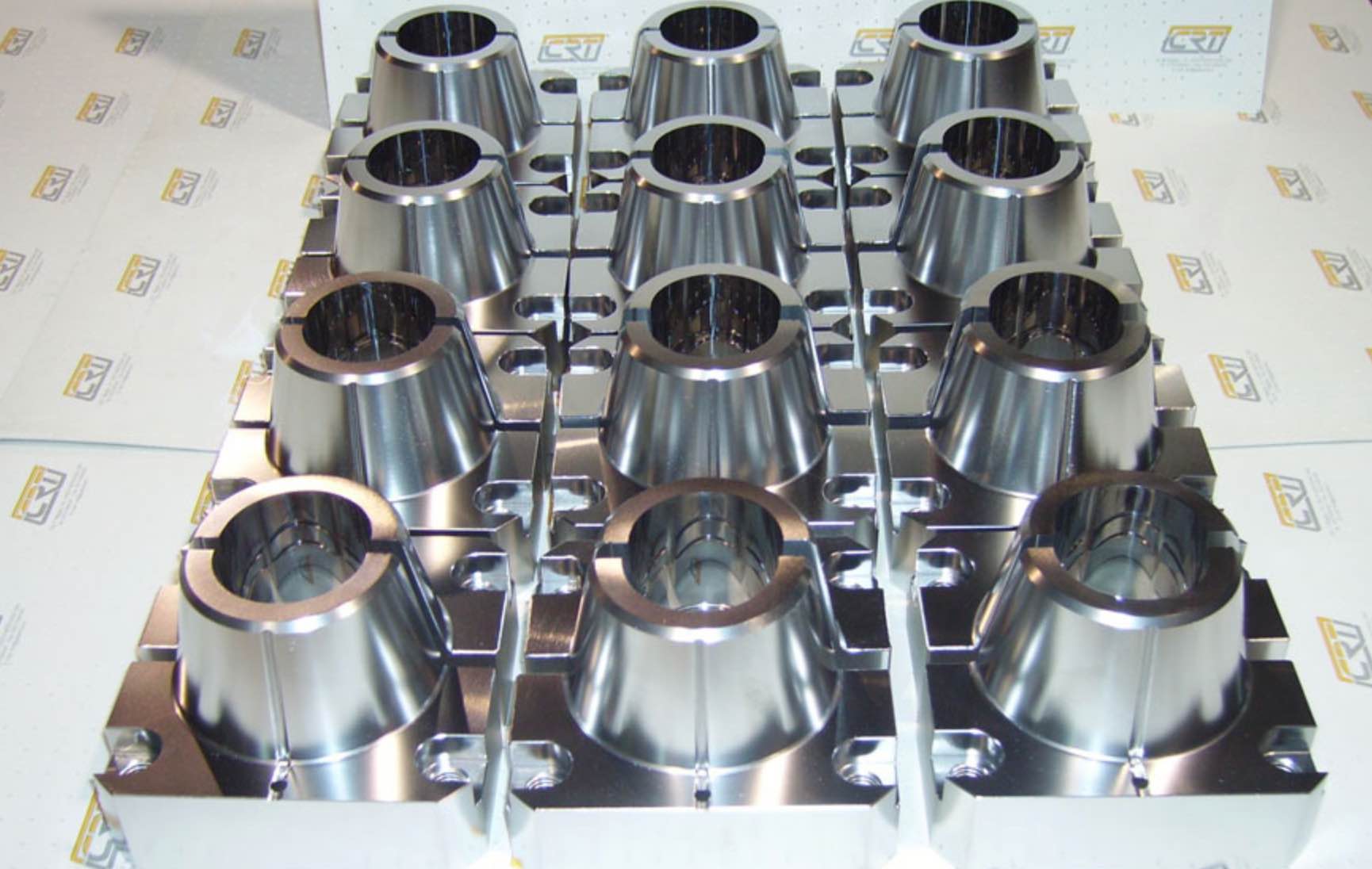
PVD coating materials and types
The choice of coating depends on the application and operating conditions. T.T.N. S.p.A. uses different coating materials, including TiN, AlTiN, CrN, DLC, and WC/C, each with specific characteristics.
For example, coatings such as AlTiN are suitable for high-temperature applications, while DLC is used when friction needs to be significantly reduced. Selection is based on the component material, the stresses involved, and the operating environment, with the aim of achieving consistent, long-lasting performance.
Operational benefits in production processes
Introducing PVD coatings makes it possible to act directly on the main critical issues affecting production processes, such as tool wear, process instability, and machine downtime.
This leads to longer service life, greater process repeatability, and fewer maintenance operations. The overall result is improved production efficiency and better control of costs related to component wear and replacement.
PVD coating applications in industrial sectors
PVD coatings are used in all contexts where surfaces are subject to friction, pressure, and repeated stresses, providing direct benefits in terms of service life and process quality.
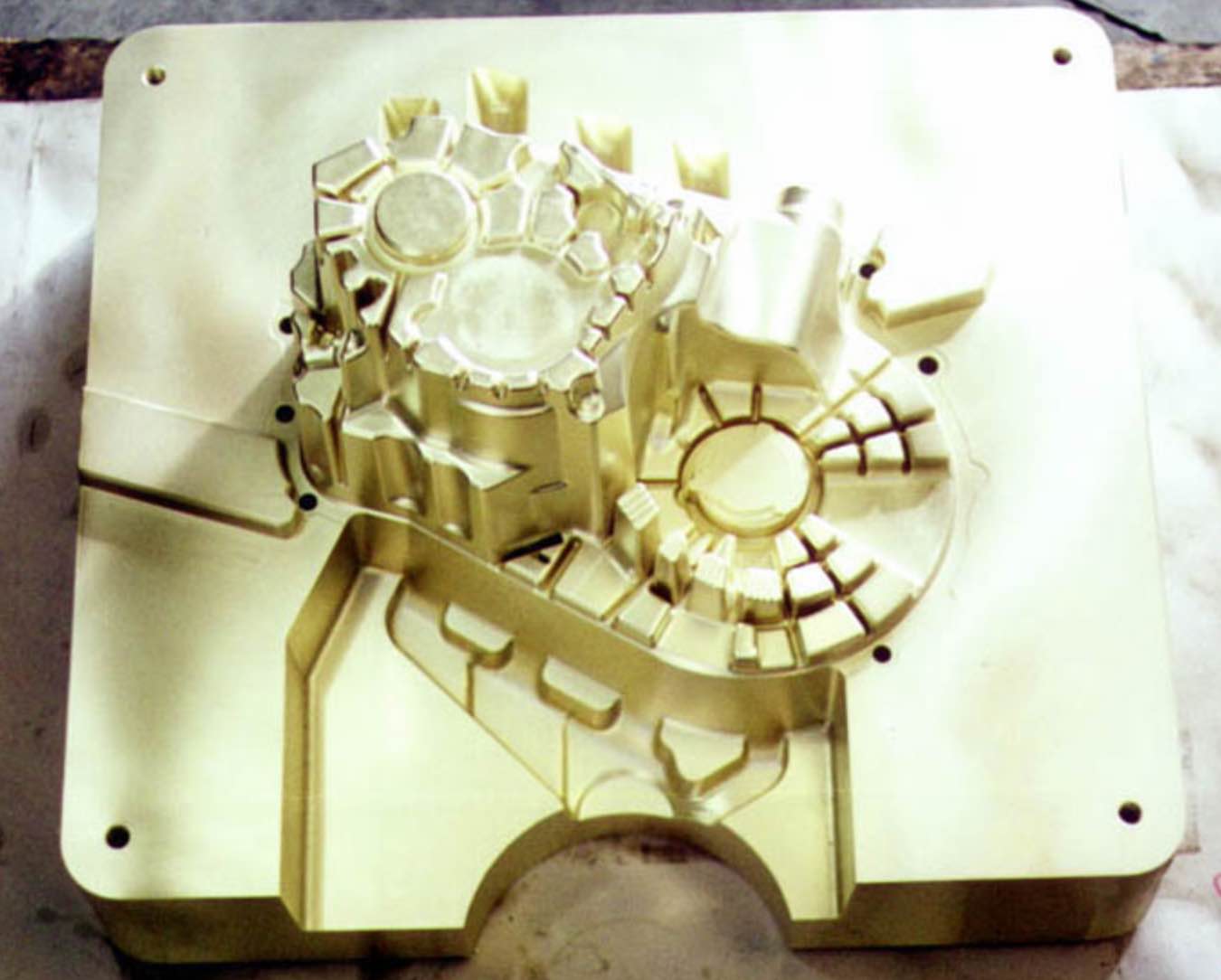
Hot stamping
In hot stamping processes, coatings improve resistance to high temperatures and reduce oxidation and wear, increasing the service life of dies exposed to intense thermal cycles.
Sheet metal forming and blanking
Coatings help reduce friction and galling between the tool and the material, improving cut quality and production continuity, even in repetitive operations.
Plastic molding
Reduced material adhesion and greater surface stability, with benefits for finished product quality and process repeatability.
Automotive
Improved wear resistance and performance under dynamic loads, with increased component service life.
Oil & Gas
Protection against corrosion, high pressures, and harsh environments, with greater long-term reliability.
Aerospace
High, consistent performance under extreme operating conditions, with particular attention to precision and stability.
General mechanical engineering
Broad application to improve service life, sliding performance, and component behavior across different industrial contexts.
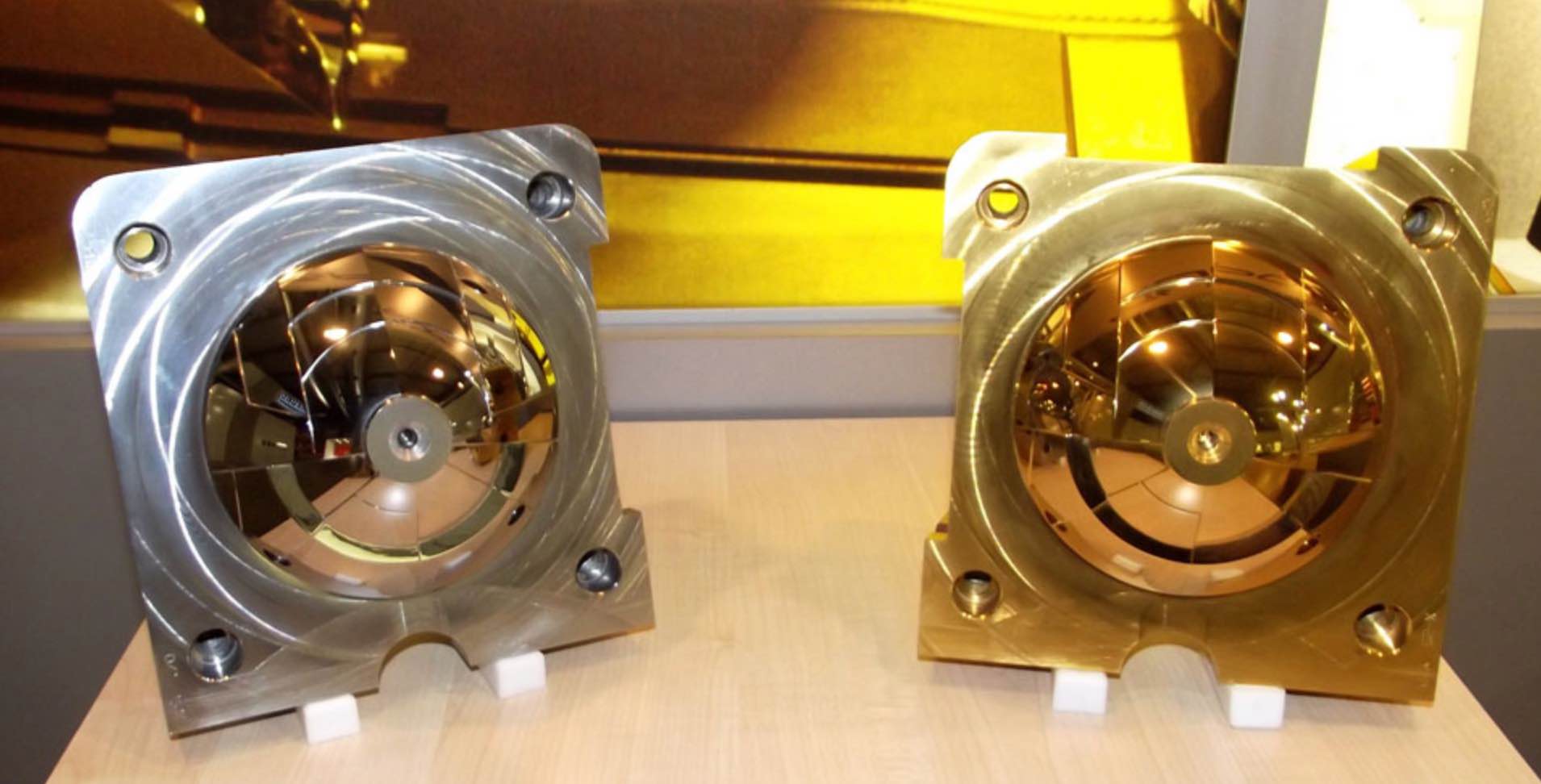
Integration with heat treatment and machining
PVD coatings deliver their full potential when combined with heat treatment and machining. They are applied to already machined components, completing the production cycle and improving in-service performance.
This approach makes it possible to obtain components with differentiated properties between the material structure and the surface, reducing operational issues and ensuring greater long-term reliability.