T.T.N.
Trattamenti
Termici Nervianesi
Heat treatment, coating and integrated machining
for high-performance metal components
One contact
one solution
one partner
Annealing of steels: reducing internal stresses and improving workability
Annealing is a heat treatment used to modify the structure of steels in order to reduce internal stresses, improve workability, and return the material to a more stable condition after previous processes such as plastic deformation, welding, or heat treatment.
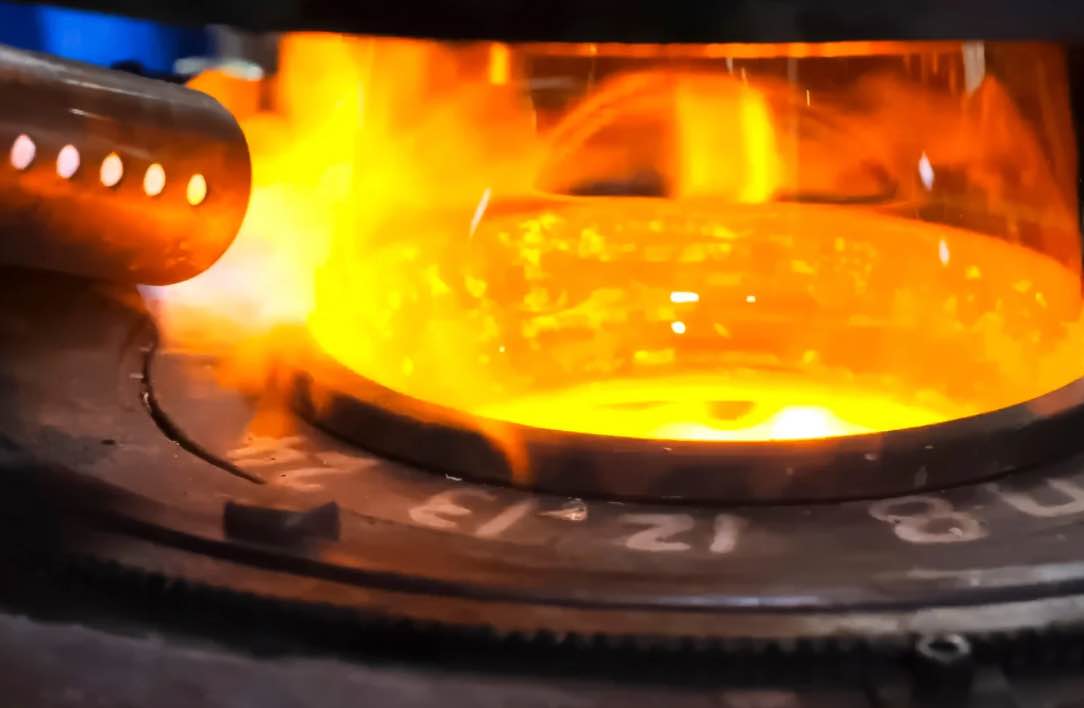
The process involves controlled heating of the component to a specific temperature, followed by slow cooling, generally inside a furnace, which produces a more homogeneous and less rigid structure.
Annealing is defined according to the type of material, the thermomechanical history of the component, and the subsequent processing steps required.
The goal is to obtain a more ductile, stable material that is ready for further processing or treatment, avoiding issues related to residual stresses or structural inhomogeneities.
Annealing methods and uses
Different annealing methods are used depending on the result required:
- full annealing, to produce a more ductile, fully reorganized material structure
- stress-relief annealing, to reduce residual stresses without significantly altering the mechanical properties
- isothermal annealing, to control structural transformation with greater precision
The most suitable method is selected according to the material, the previous processing steps, and the requirements of the following production stage.
When annealing improves material workability
Annealing is used when a component has internal stresses, excessive rigidity, or difficulties during subsequent machining. These conditions can result from plastic deformation, welding, or previous heat treatments, and may compromise process stability, precision, and quality.
Through a controlled cycle of heating and slow cooling, annealing helps return the material to a more stable, uniform, and workable condition, reducing the risk of distortion during later production stages.
T.T.N.
Benefits of annealing for material stability
When properly applied, annealing reduces internal stresses, improves workability, and helps create a more stable material structure.
These benefits are essential for ensuring component quality and maintaining stability throughout the production process.
Reduced internal stresses
Improved material workability
Greater internal structural uniformity
Reduced risk of distortion in later stages
T.T.N.
Reliability Forged in Every Treatment
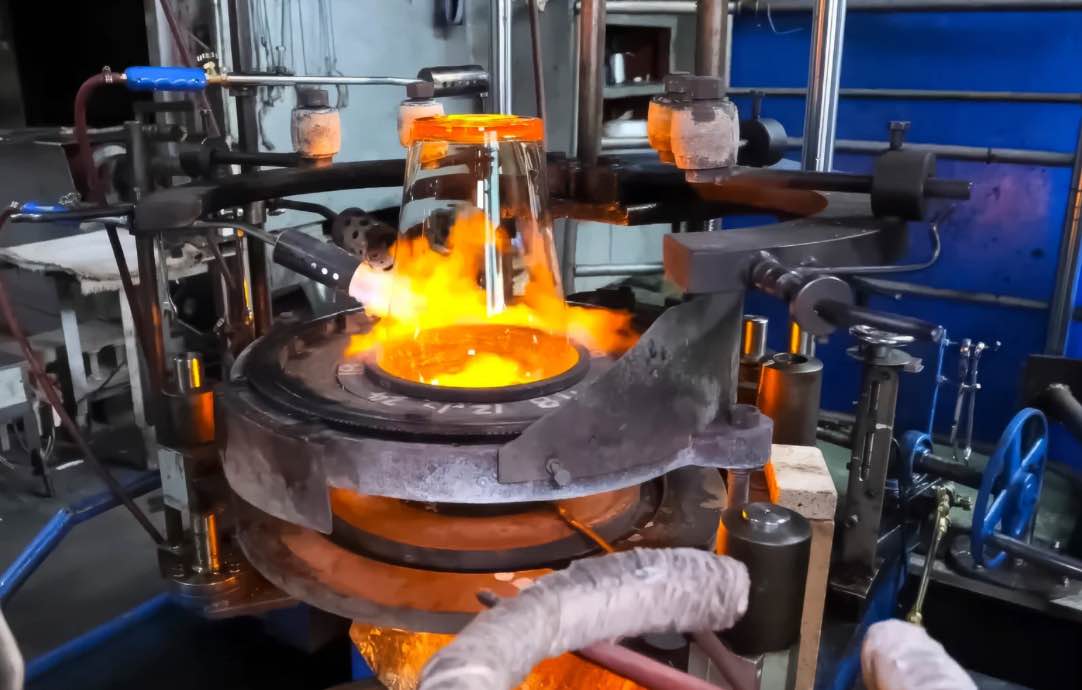
Equipment for annealing components of different sizes
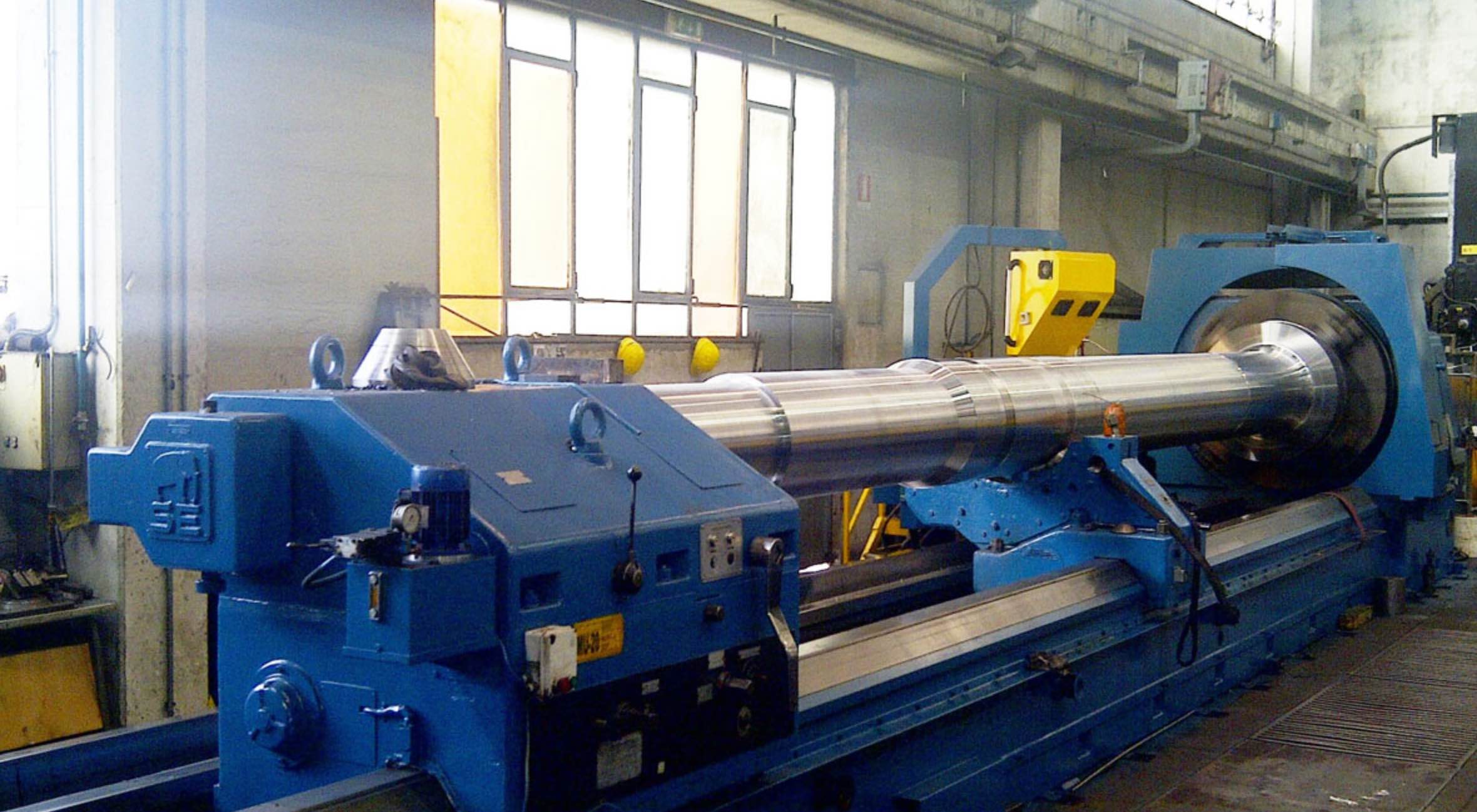
Annealing can be performed on small, medium-sized, and large components thanks to dedicated equipment. T.T.N. S.p.A. is equipped with car-bottom furnaces for large parts and continuous furnaces for smaller components, along with process control systems that ensure uniform treatment even on complex geometries.
This flexibility makes it possible to adapt the process to the characteristics of the component and to production requirements, while maintaining control and consistency in the results.
Annealing and subsequent treatments
Annealing is often a preparatory stage within a broader process cycle.
In particular:
- it can precede machining, improving process efficiency
- it prepares the material for subsequent heat treatments, such as hardening or quenching and tempering
- it helps reduce issues related to distortion and residual stresses
This approach makes it possible to define a coherent production cycle in which each stage contributes to the final quality of the component.