T.T.N.
Trattamenti
Termici Nervianesi
Heat treatment, coating and integrated machining
for high-performance metal components
One contact
one solution
one partner
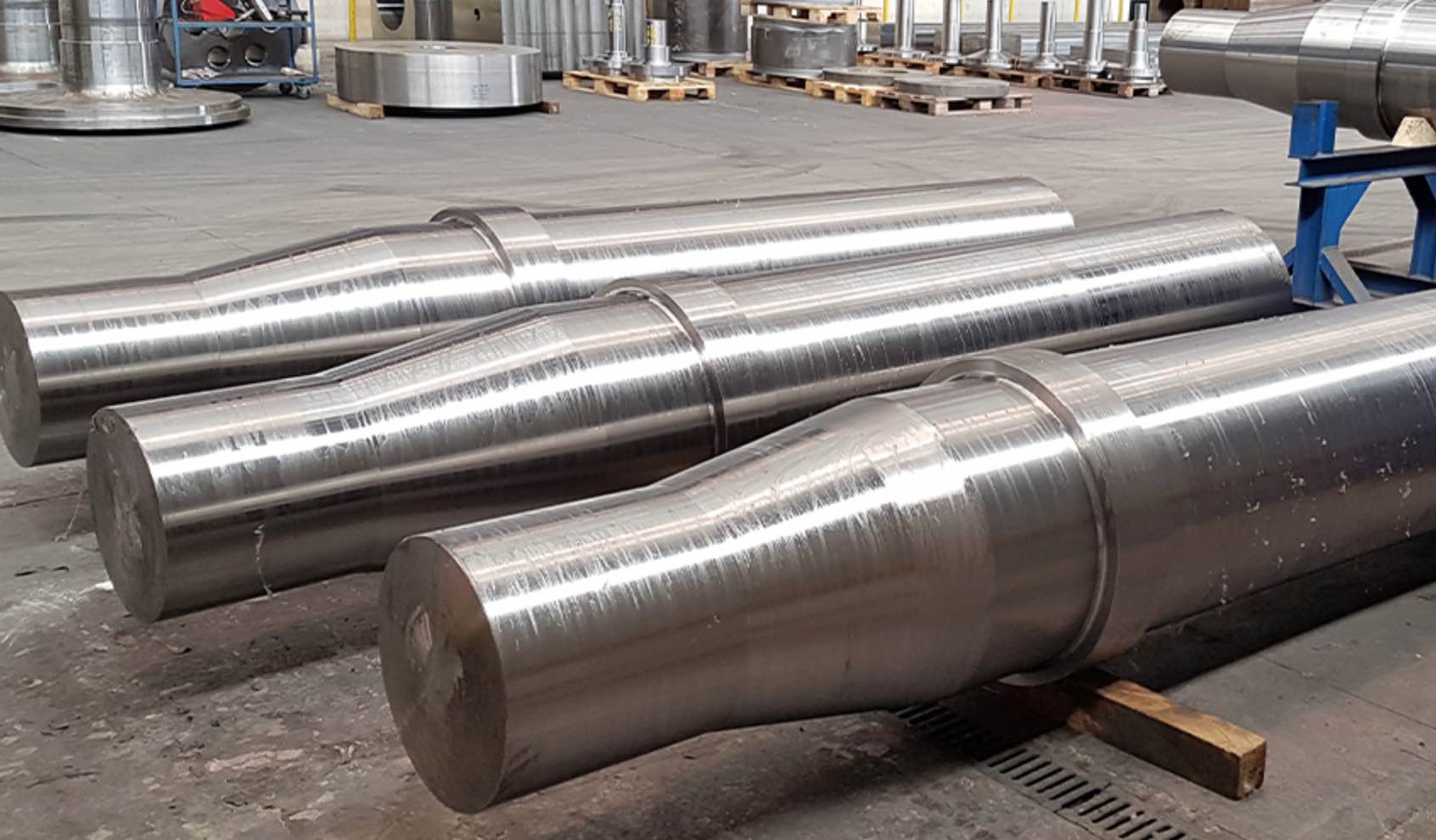
Open-die forging of steels: optimized internal structure and strength for large components
Open-die forging of steels is a hot plastic deformation process used to produce components with high structural integrity, designed to withstand intense stresses and demanding operating conditions. Unlike machining from solid, forging acts directly on the structure of the material, improving its internal characteristics through controlled compression.
During the process, the material is progressively deformed, promoting structural compaction and grain flow orientation along the main load directions. This results in greater fatigue resistance, improved ability to absorb impact, and reduced internal discontinuities.
Within the T.T.N. Group, forging is part of a complete production cycle that includes heat treatment and machining.
What forging is and how it improves material properties
Forging is a process in which metal is plastically deformed at high temperature through compression using presses or hammers. This type of process modifies the internal structure of the material, improving its performance compared with components produced by material removal.
During forging, hot plastic deformation compacts the material, aligns the grain flow, and creates a more homogeneous, stronger structure.
The result is a component with superior mechanical properties, capable of ensuring reliability even under complex operating conditions.
Open-die forging: production flexibility and non-standard components
Open-die forging is characterized by the absence of closed dies, allowing the material to be worked with greater geometric freedom. This makes it possible to produce large components and complex shapes, adapting the process to the specific requirements of each project.
It is particularly suitable for:
- large components
- custom production or small batches
- non-standard geometries
The flexibility of the process makes it possible to modify the material structure in a targeted way, while maintaining a high level of control over the internal quality of the component.
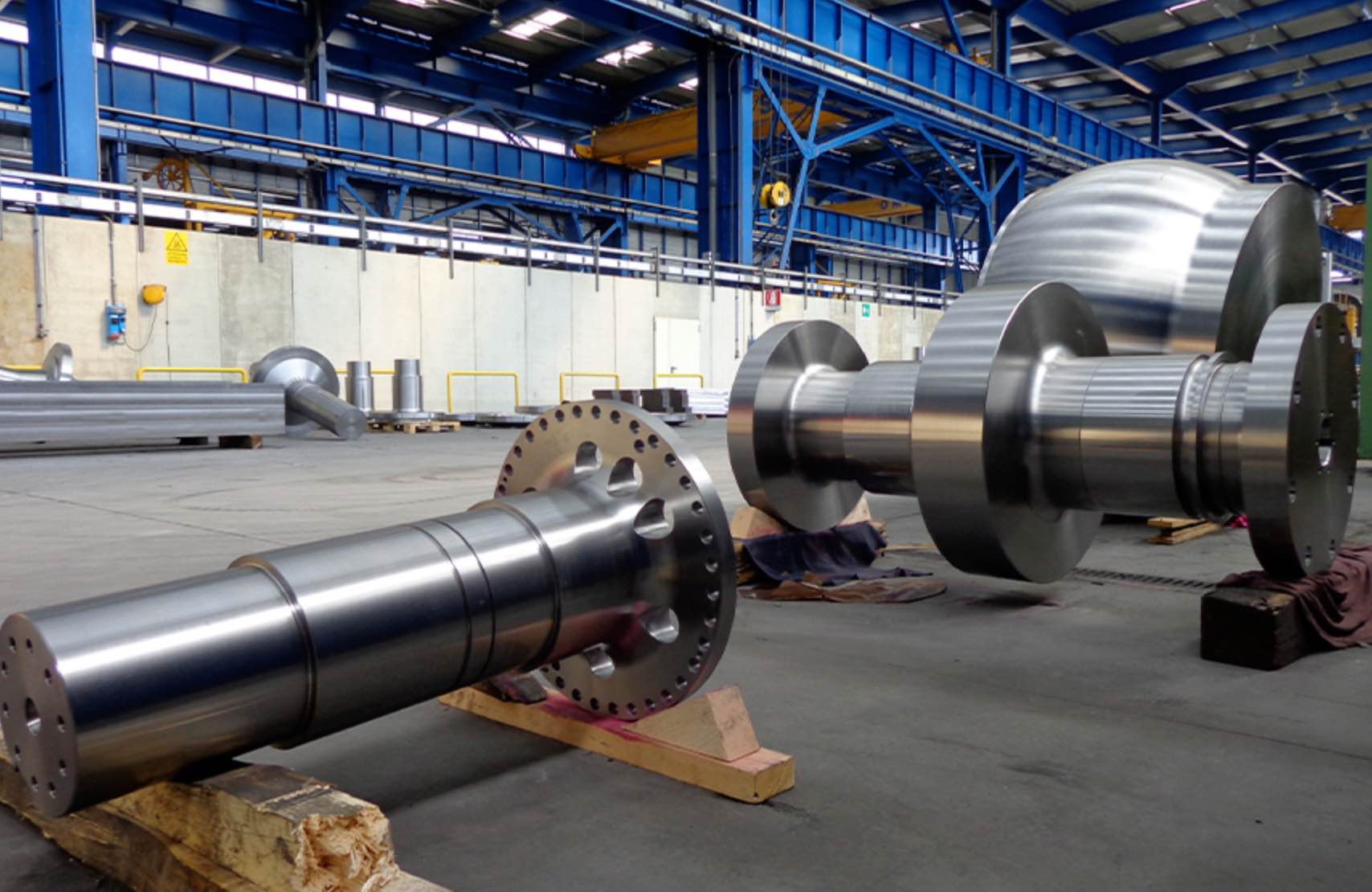
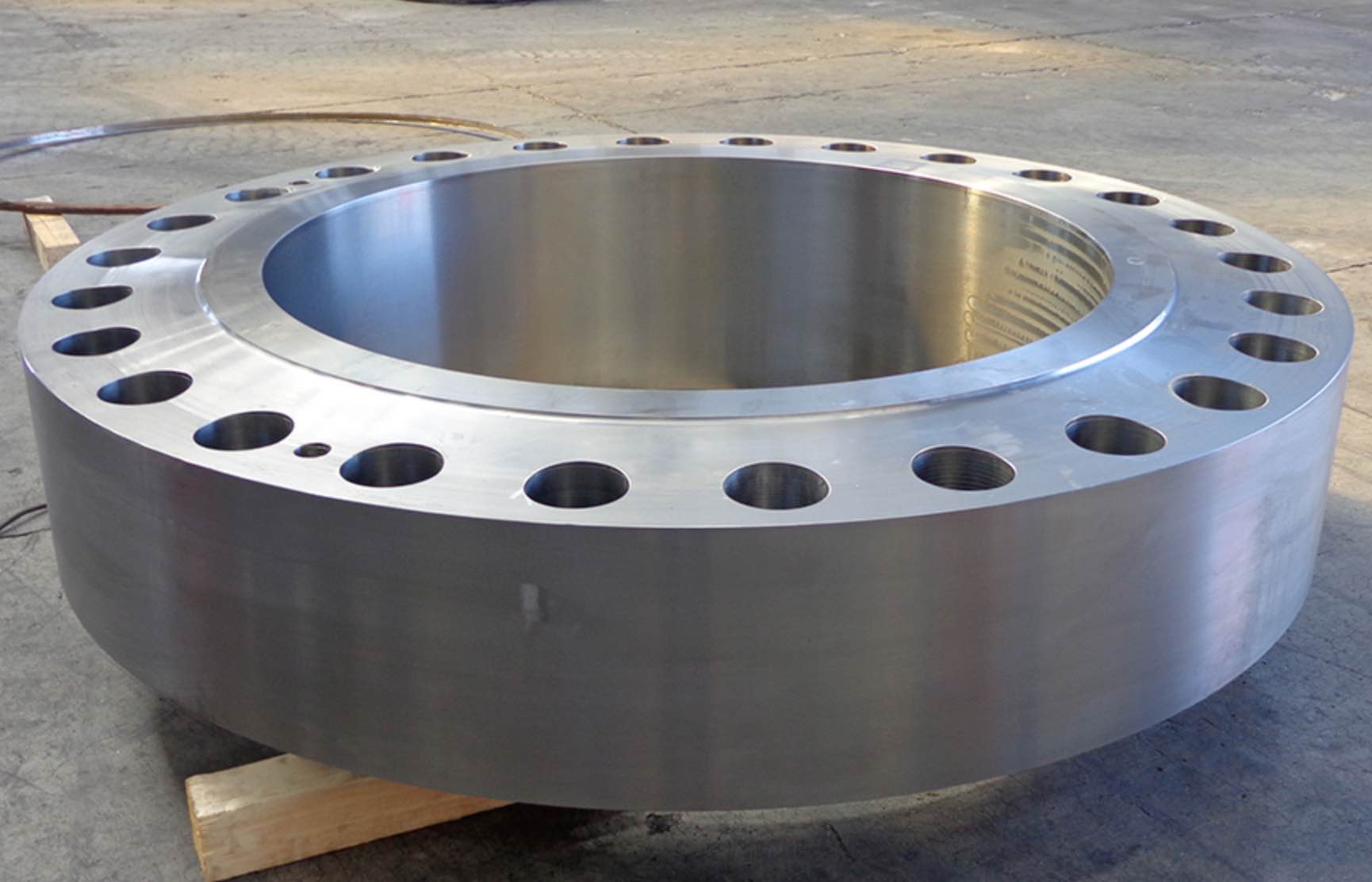
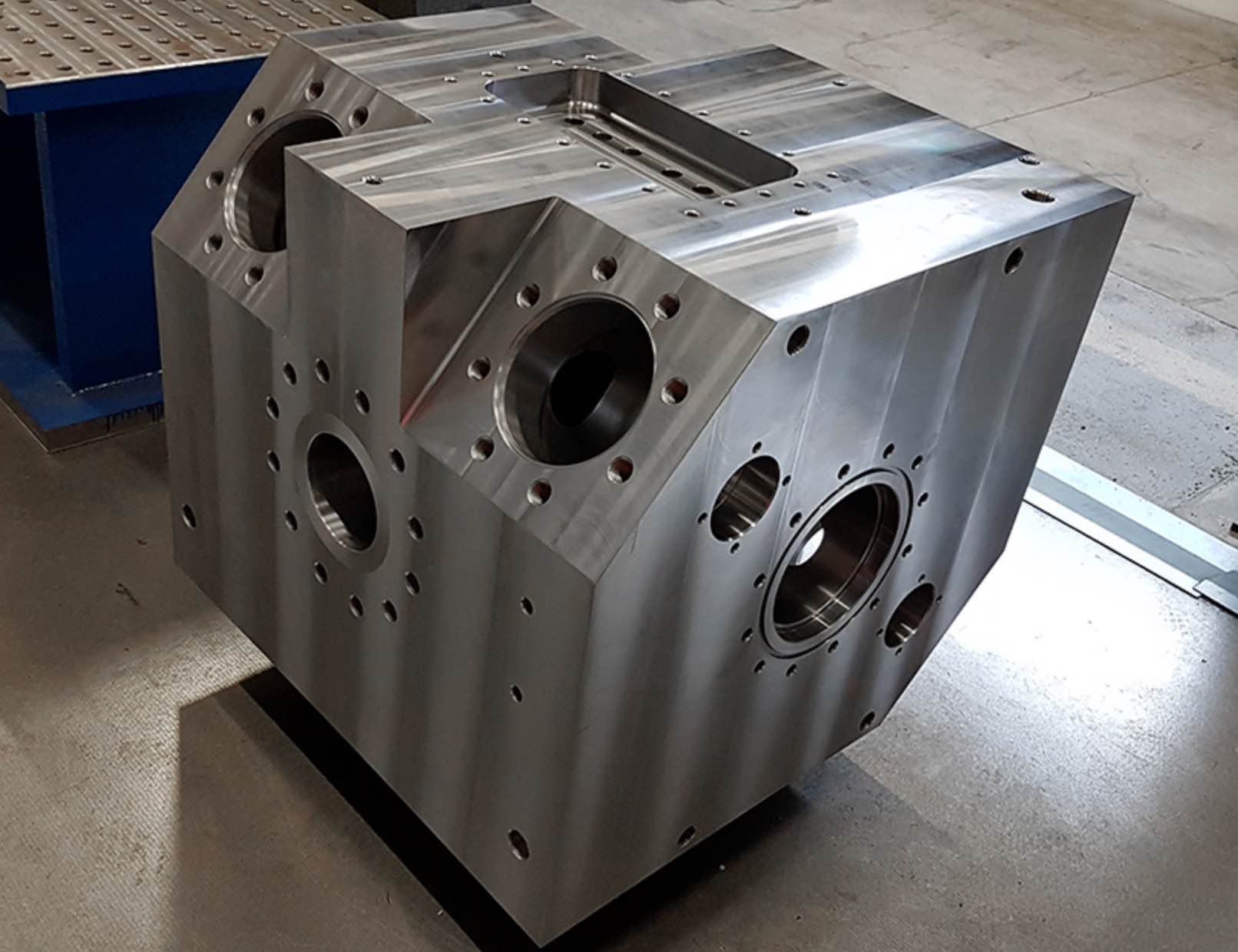
The forging process: from ingot to component
The forging cycle starts with steel ingots or billets, which are heated to high temperatures to allow plastic deformation of the material. The process involves controlled heating followed by progressive deformation through compression, gradually shaping the geometry of the component.
These stages may be followed by subsequent processes, such as heat treatment and machining, which further optimize performance and dimensional characteristics.
In this way, the raw material is transformed into a component with optimized structural properties, ready for the next stages of the production cycle.
T.T.N.
Benefits of forging for technically demanding applications
Forging delivers tangible benefits in terms of mechanical response and reliability.
These characteristics make forging a preferred choice for components intended for critical operating environments.
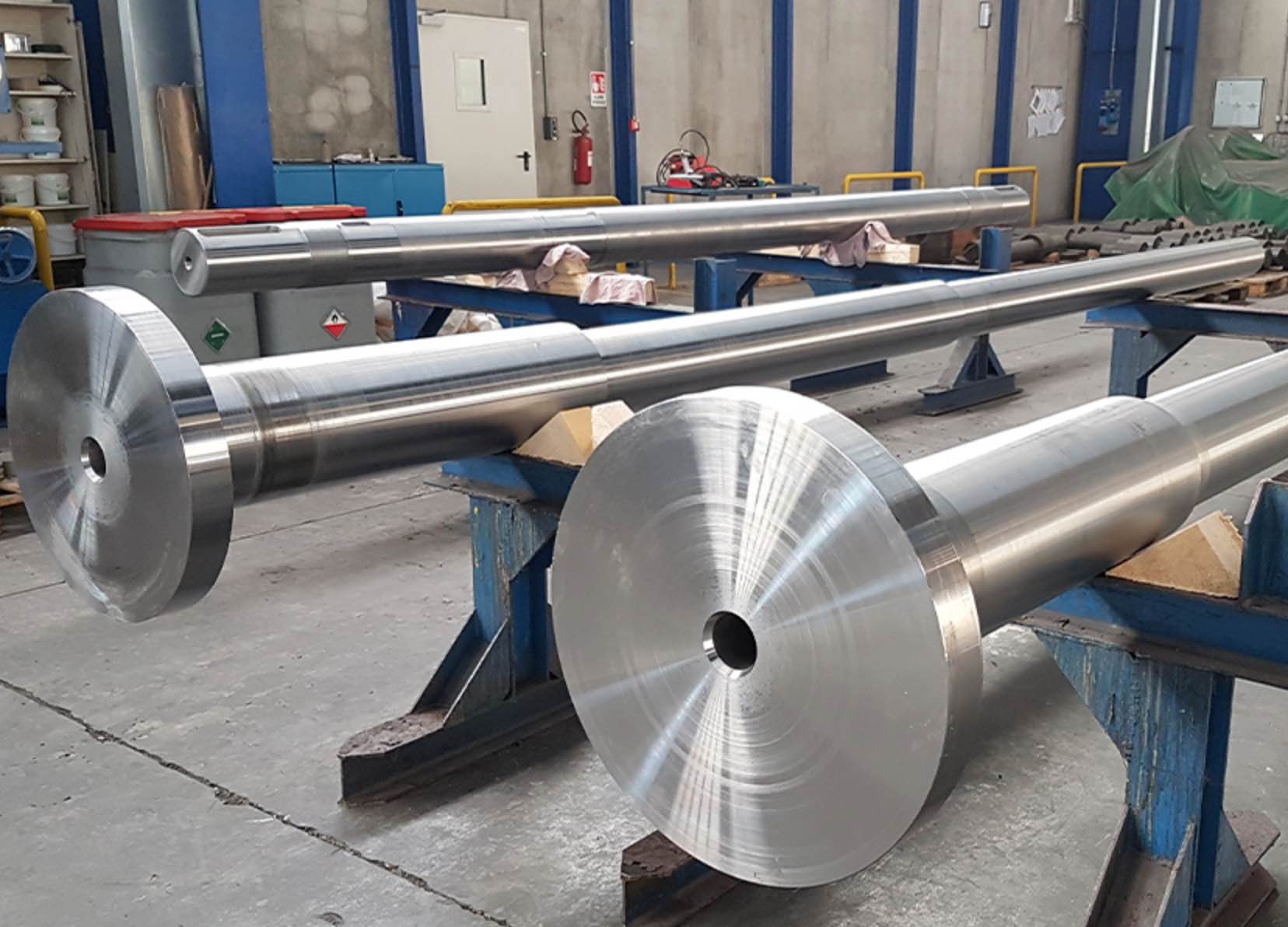
Continuous material grain flow, oriented along load paths
Superior structural performance compared with machined-from-solid components
Reduced internal porosity and inclusions
Greater fatigue and impact resistance
Improved behavior under cyclic loads
Production capacity for large components
Open-die forging makes it possible to process large, heavy components, managing complex geometries and materials intended for demanding industrial sectors. At Friulforgia, forged parts of up to 35 tonnes can be produced, with dimensions of up to approximately 2.5 × 2.5 × 14 meters.
This capacity makes it possible to transform large ingots into robust, high-performance components suited to applications where structural strength, reliability, and durability are essential requirements.
Processed steels and materials
Forging can be applied to different types of steels and special alloys, selected according to the required performance and the target industry. Processed materials include high-alloy steels, low-alloy steels, martensitic steels, duplex steels, and super duplex steels.
This variety makes it possible to develop components suited to applications that require mechanical strength, stability, and reliability, even under demanding operating conditions.
Forging applications
Forging is used in sectors where structural strength and long-term reliability are essential requirements.
Marine industry
In the marine industry, forging is used to produce components subject to heavy loads, corrosive environments, and prolonged stresses. The improved internal structure
Energy and Oil & Gas
In these sectors, forged components must withstand high pressures, elevated temperatures, and harsh environments. Forging makes it possible to obtain materials with high structural integrity, reducing the risk of in-service failure.
Hydropower
Hydropower applications require components capable of withstanding continuous stresses, fluid-induced wear, and cyclic loads. Forging improves fatigue resistance and extends the service life of components.
Automotive and earthmoving machinery
In these applications, components are subject to dynamic loads, impact, and repeated mechanical stresses. Forging makes it possible to obtain a more compact, oriented internal structure, improving strength and reliability.
Aerospace
In aerospace applications, forging is essential for producing components with high precision, structural strength, and reliability. The internal quality of the material is critical to ensuring consistent performance under extreme conditions.
Heavy industry and component manufacturing
Forging is used for large components designed to operate under demanding conditions. It makes it possible to obtain compact structures, reduce internal discontinuities, and improve material behavior under intense mechanical loads. In these applications, components must ensure consistent performance even under severe operating conditions and prolonged stress.
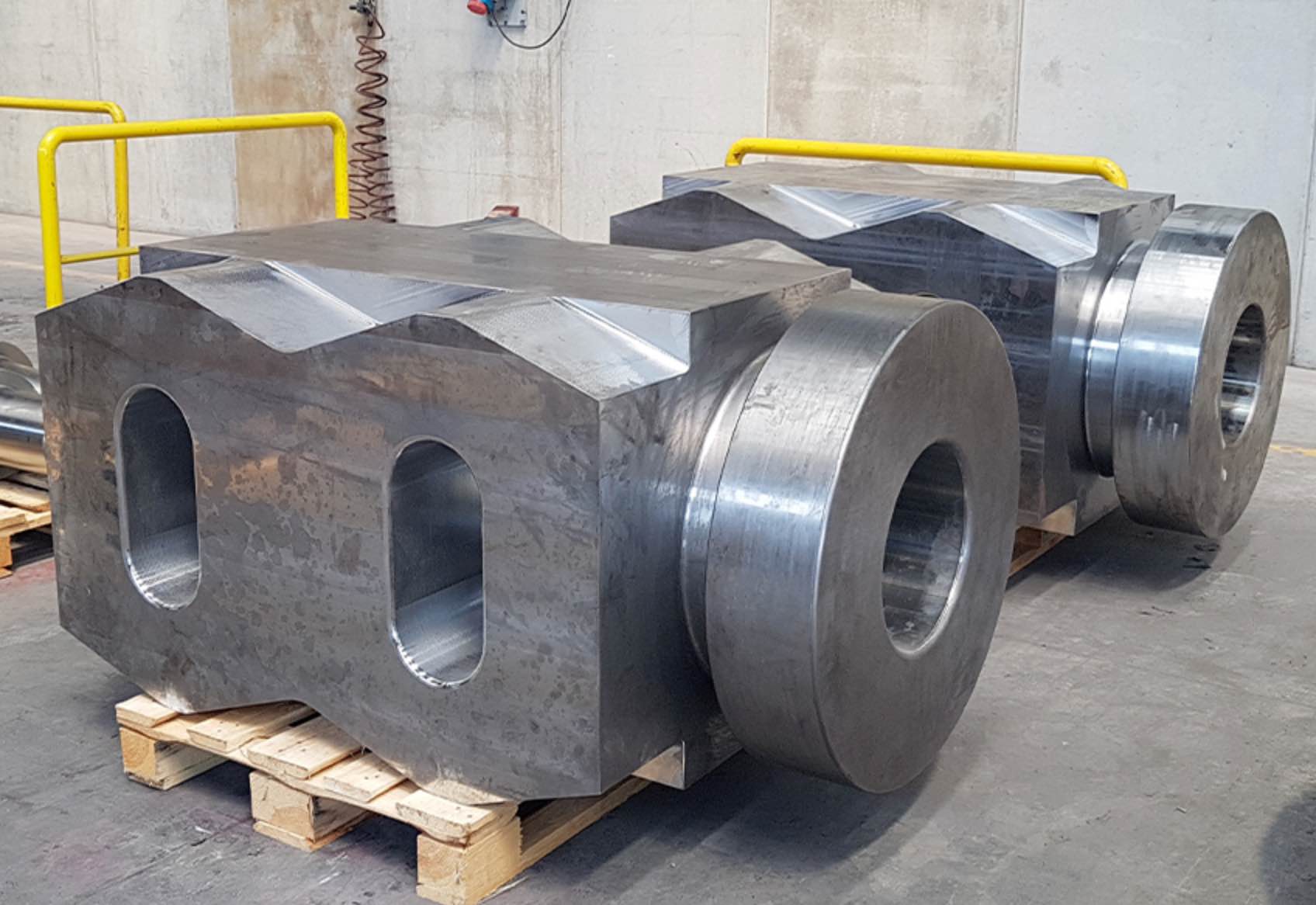
Forging and subsequent processing
Forging is an initial stage within a broader production cycle.
The forged component can then undergo:
- heat treatment, to optimize the properties of the material
- machining, to achieve tolerances and finishes according to drawing requirements
- inspections and testing, to ensure compliance with technical specifications
This makes it possible to obtain complete components, ready for use or for integration into the customer’s production systems.

