
T.T.N.
Trattamenti
Termici Nervianesi
Heat treatment, coating and integrated machining
for high-performance metal components
One contact
one solution
one partner
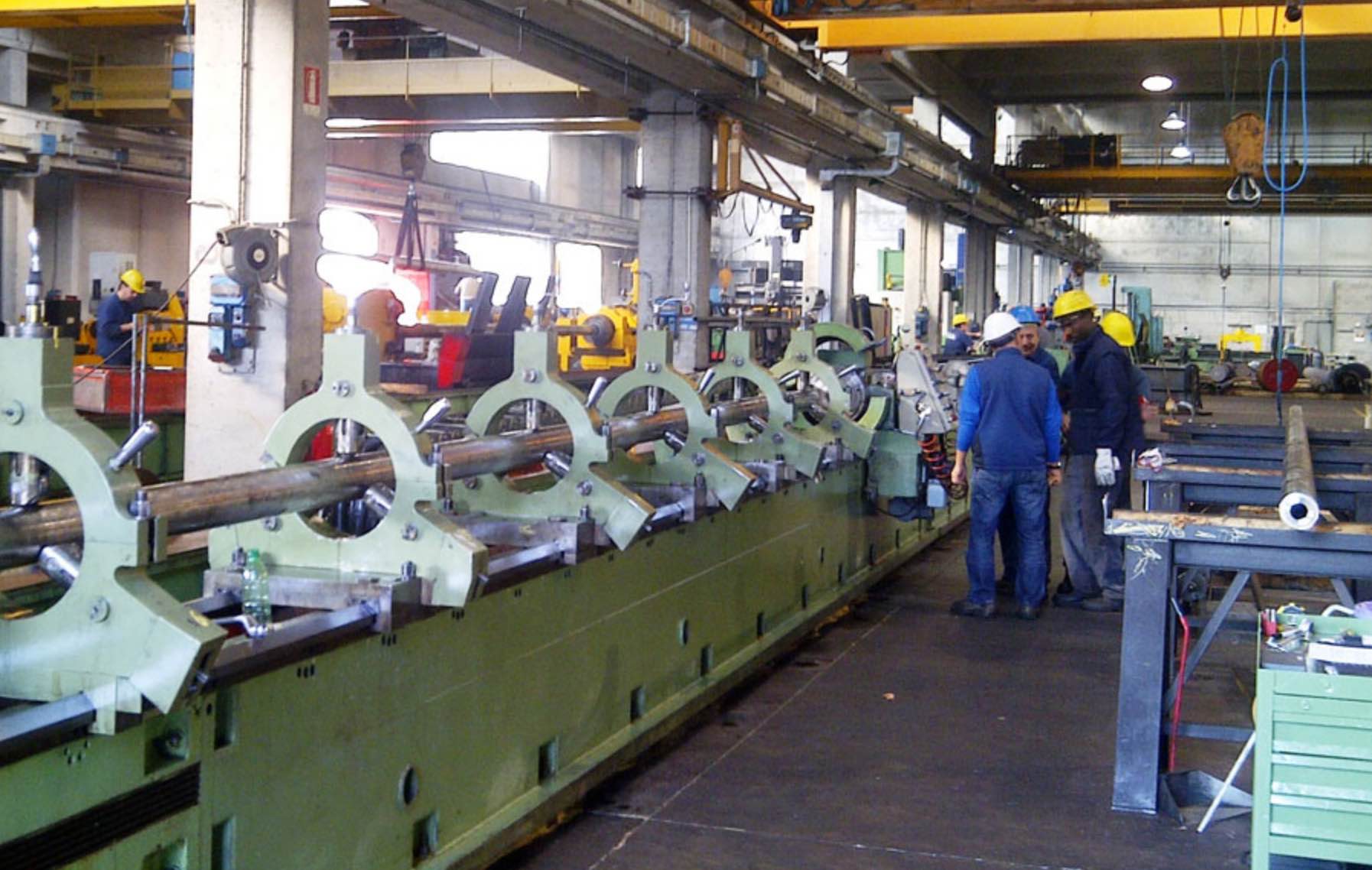
Precision machining: dimensional control and drawing-specified finishes for complex components
Precision machining is the stage in which the component takes on its final geometry, the required dimensional tolerances, and the surface characteristics needed to operate correctly in service. Through controlled material removal processes, a semi-finished part or an already treated component can be transformed into a finished element, ready for integration into production systems.
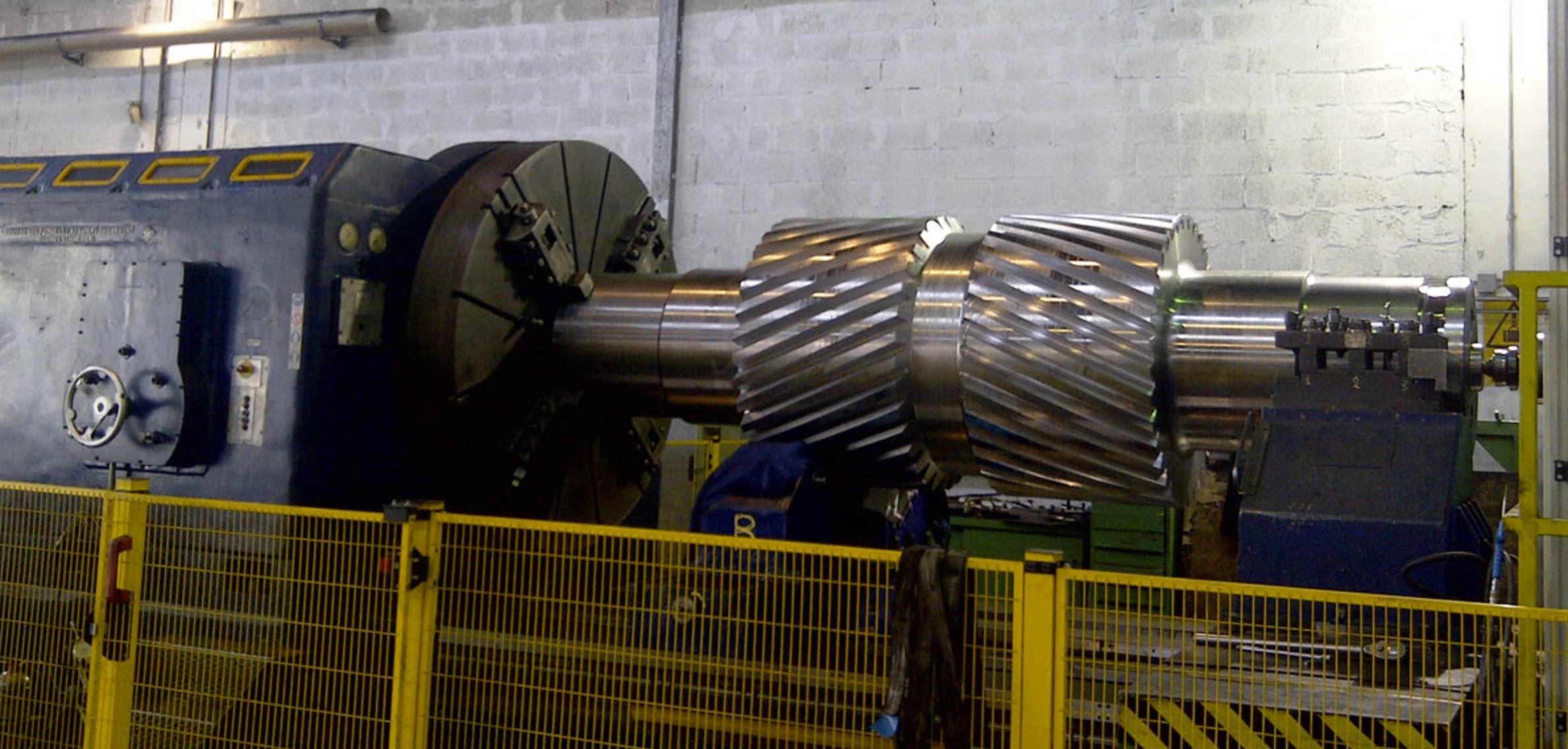
At T.T.N. S.p.A., machining is an integral part of the production cycle and is performed on small, medium-sized, and large components, with the capacity to handle significant diameters and lengths while maintaining precision and repeatability, even on complex geometries.
Each machining process is defined according to the material, the technical specifications, and the operating conditions, with the aim of ensuring full control over geometry, mating surfaces, and functional surfaces.
The dedicated machining departments use CAD/CAM systems, CNC machines, and manual workstations for specific operations or non-standard parts. This integration makes it possible to manage both repeat production and complex components, while maintaining dimensional control, precision, and operational flexibility.
Available machining processes
Different machining processes make it possible to work precisely on geometries, tolerances, and functional surfaces, adapting each process to the characteristics of the component and the performance required in service.
Turning
Turning is a chip-removal machining process in which the workpiece rotates while the cutting tool moves to define diameters and cylindrical surfaces. It is used to achieve high precision on rotating components, ensuring concentricity and controlled surface finishes.
Boring
Boring makes it possible to correct and refine hole diameter and alignment, ensuring coaxiality and concentricity even on complex machining operations.
Grinding
Grinding is a high-precision finishing process used to achieve very tight tolerances and low-roughness surfaces, which are essential for mating surfaces and functional parts.
Milling
Milling uses rotating cutting tools to machine flat or complex surfaces, making it possible to produce three-dimensional geometries, slots, and shaped profiles. It is an extremely versatile process, suitable for components with complex shapes.
Deep-hole and peripheral drilling
Drilling makes it possible to produce holes, including very deep ones, while controlling chip evacuation and process stability, which are critical factors in advanced technical machining.
Lapping
Lapping is a finishing process used to obtain surfaces with extremely low roughness, improving component performance under contact and sliding conditions.
Large-diameter boring
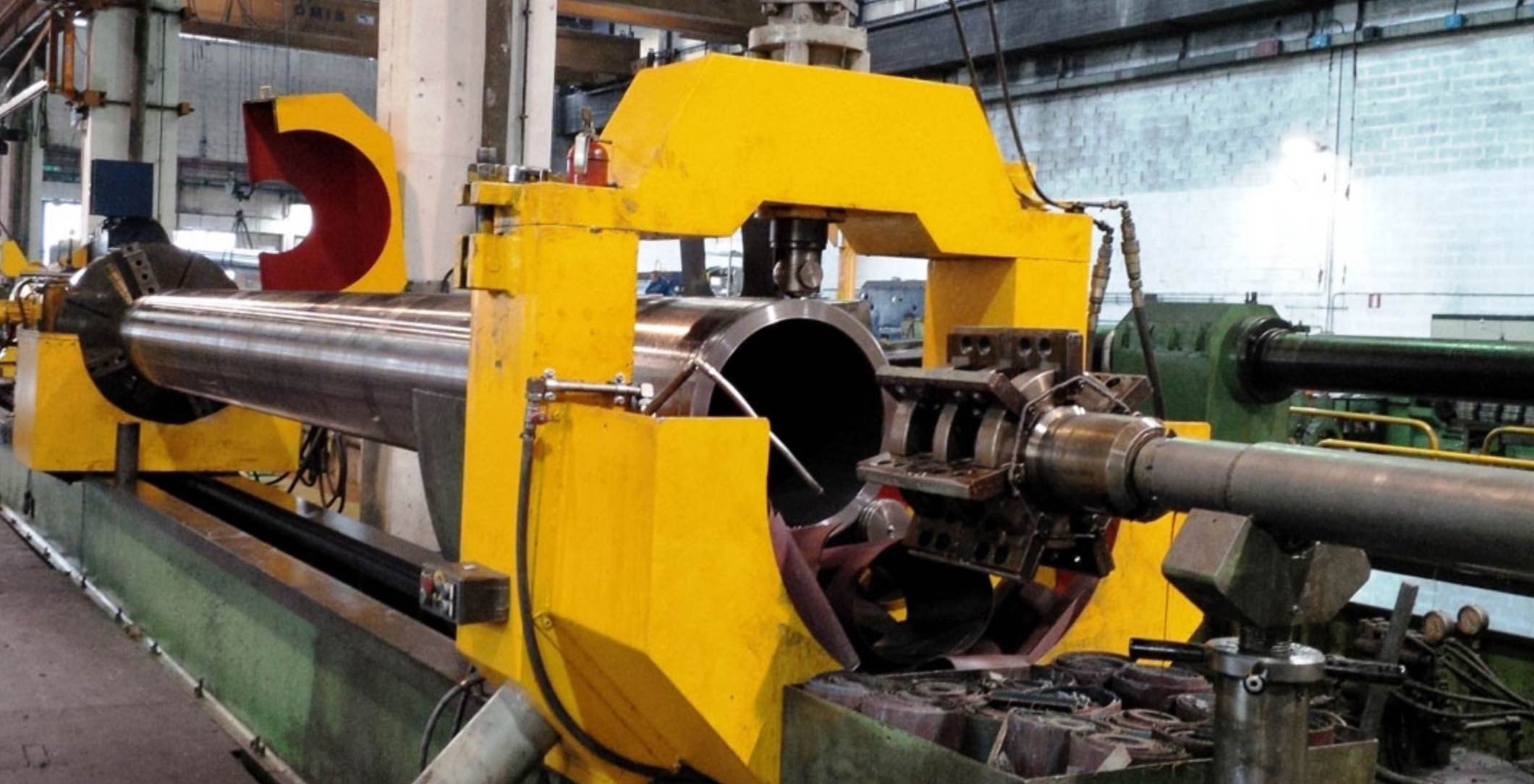
Large-diameter boring is used for machining large diameters and complex seats, ensuring geometric precision even on large components.
Straightening
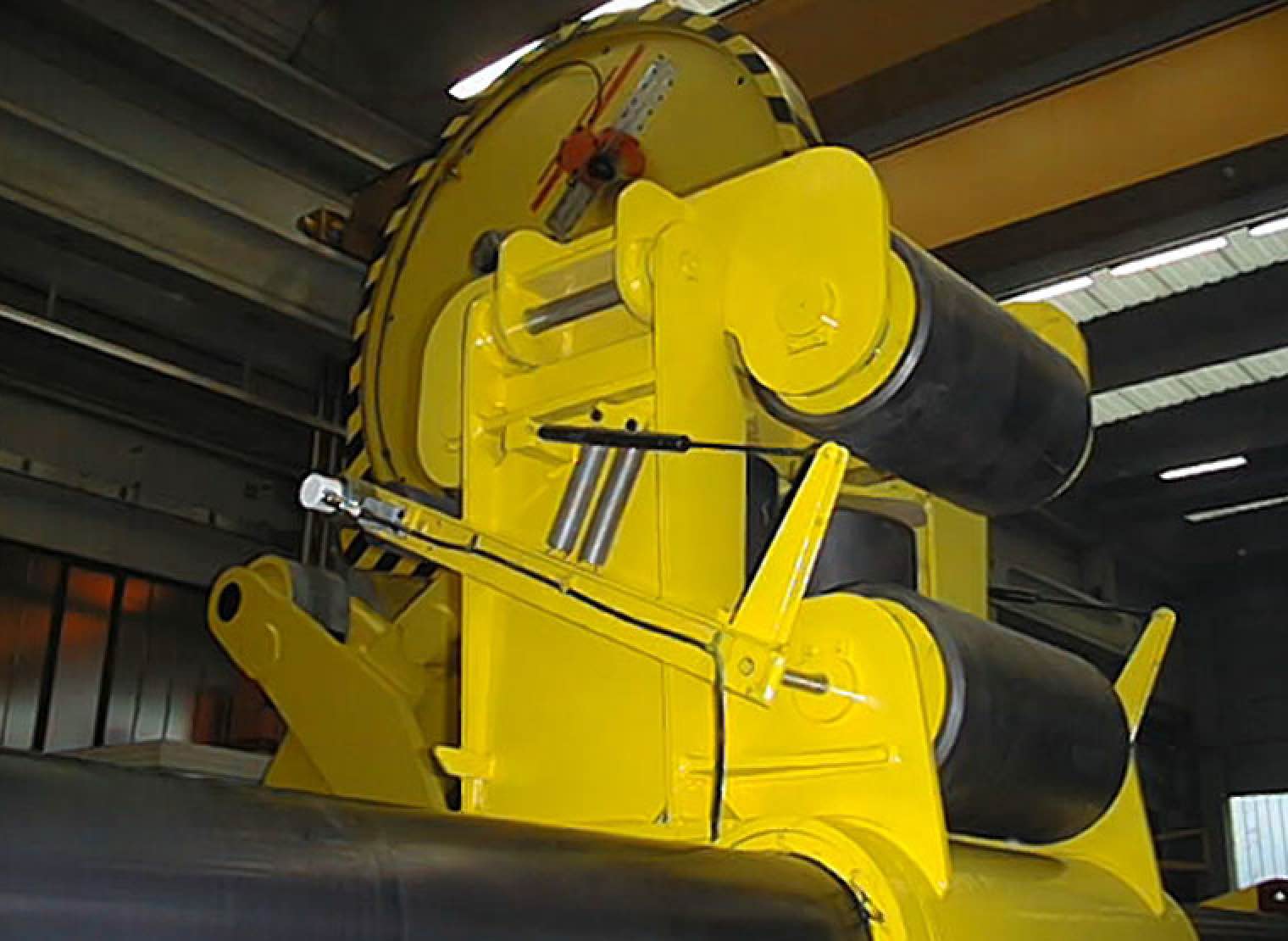
Straightening makes it possible to correct any distortion, restoring the geometry of the component after machining or heat treatment.
Custom finishes to drawing requirements
Custom finishes make it possible to adapt the component to complex technical specifications, working on geometries, tolerances, and surfaces according to customer requirements.
T.T.N.
Precision, tolerances, and dimensional control
The quality of machining is measured by the ability to meet tight dimensional tolerances and ensure repeatable results.
This level of precision is essential to ensure that the component functions correctly within the system in which it will be used.
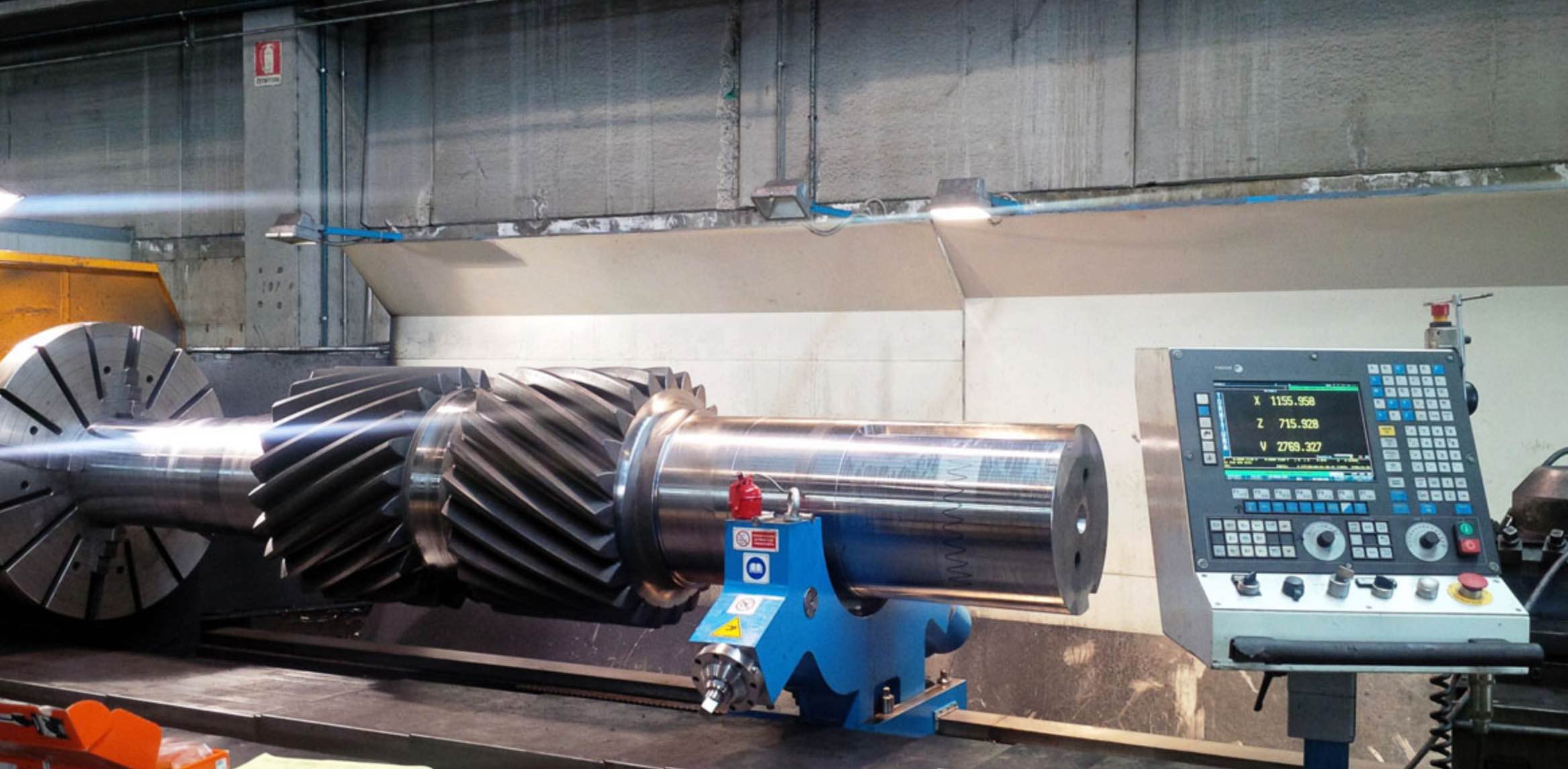
The use of CNC machines and controlled processes makes it possible to work on:
Critical dimensional values
Alignments and mating features
Functional surfaces
Machining and component performance
Machining has a direct impact on the operating performance of the component.
In particular:
- surface quality affects friction, wear, and fatigue behavior
- geometric accuracy determines correct load distribution
- compliance with tolerances ensures reliable mating between components
This means that machining is not just a production stage, but a decisive factor in the component’s real in-service performance.
From raw material to finished component: integrated machining
Machining is not an isolated activity, but part of an integrated production sequence that may include forging, heat treatment, and surface coating. Integrating these stages helps reduce errors and misalignment, optimize operating sequences, and maintain consistency between the material structure and the final geometry.
The result is a component in which each process stage contributes to overall quality, avoiding rework and improving production efficiency.
Production capacity and machining of large components
Machining operations at T.T.N. S.p.A. are designed to handle large components, including:
- large diameters and lengths
- heavy components and complex geometries
- machining processes that require high precision even on large-sized parts
These capabilities make it possible to maintain control and quality even on complex machining operations, ensuring results that are consistent with the technical specifications.

