
T.T.N.
Trattamenti
Termici Nervianesi
Heat treatment, coating and integrated machining
for high-performance metal components
One contact
one solution
one partner
T.T.N.
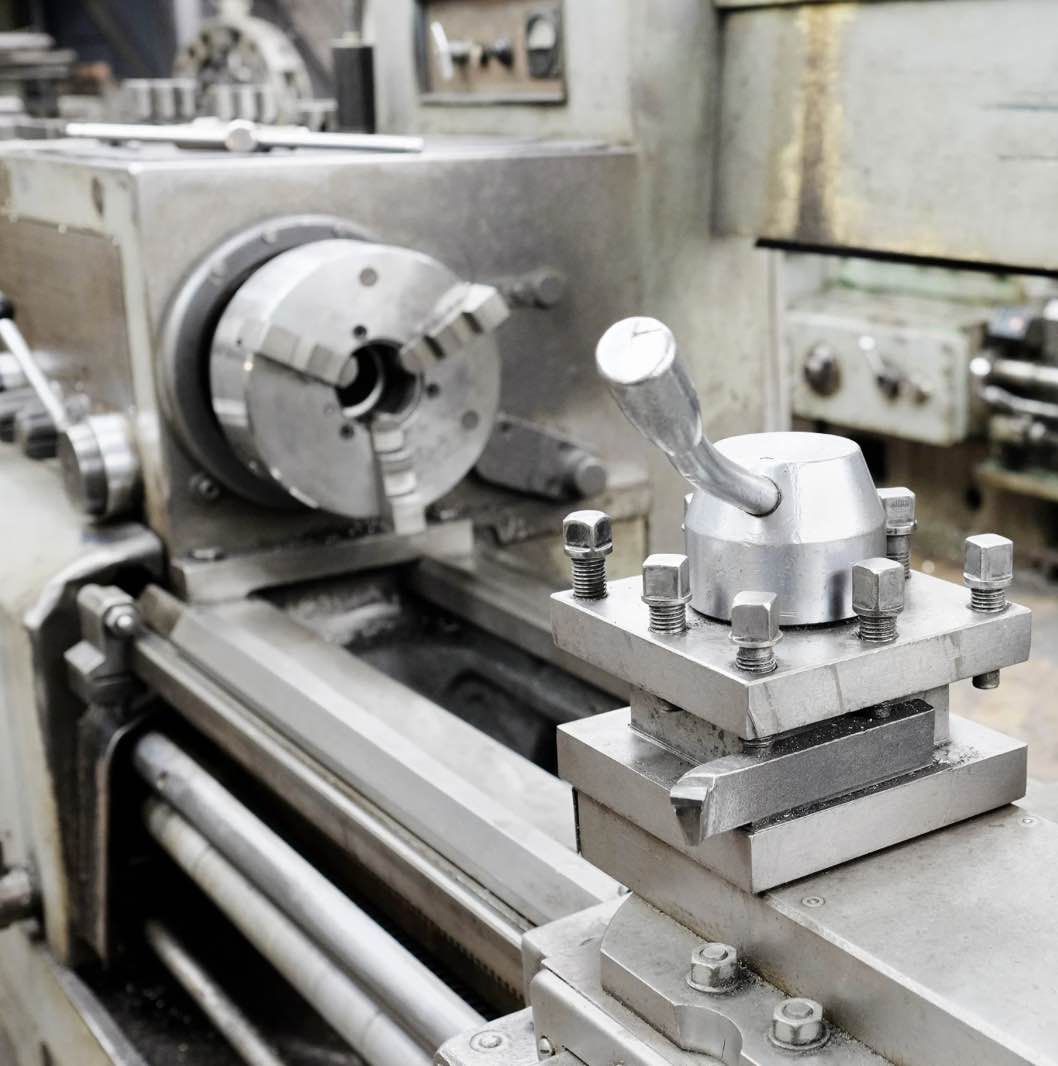
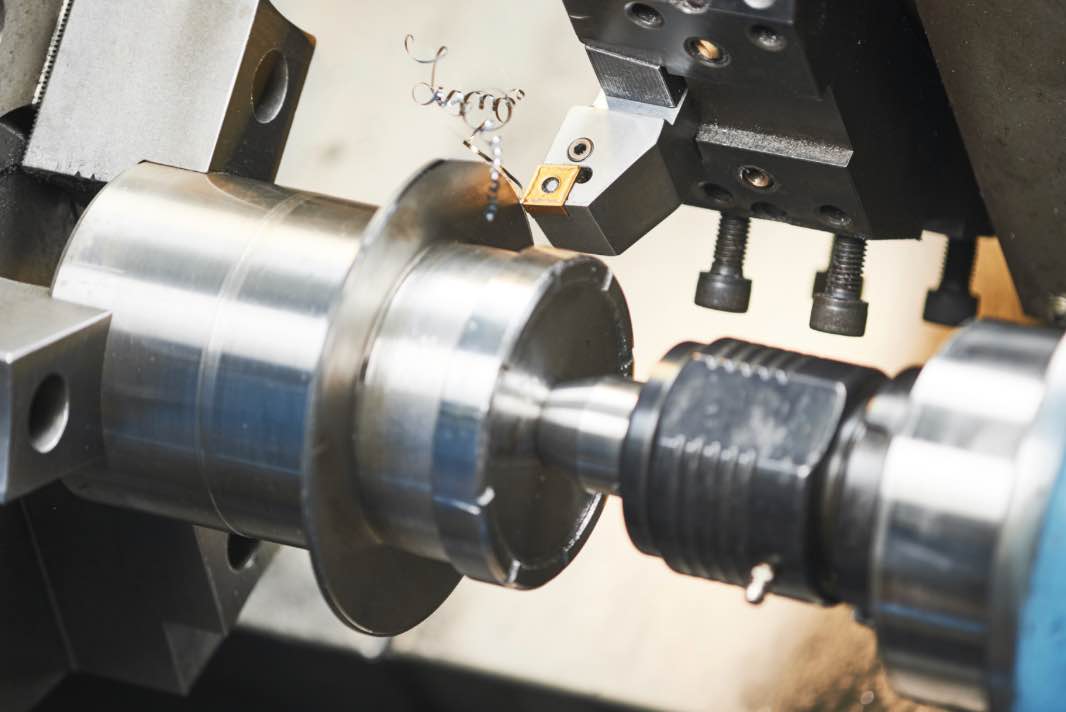
Precision turning: machining cylindrical components with high dimensional control
Precision turning is a key machining process when controlled diameters, high concentricity, and reliable functional surfaces are required. If these aspects are not properly managed, issues such as irregular wear, vibration, misalignment, and reduced component service life may occur.
When properly executed, turning makes it possible to achieve precise mating, correct load distribution, and improved in-service performance, especially on parts such as shafts, bushings, and rotating components. This results in greater stability, reduced friction, and consistent performance over time.
At T.T.N. S.p.A., turning is defined according to the material, the required tolerances, and the operating conditions, with the aim of ensuring precision, repeatability, and consistent performance even on complex geometries and large components.
T.T.N.
Turning applications
Turning is used to produce components that require rotational geometries and dimensional accuracy.
Main applications include:
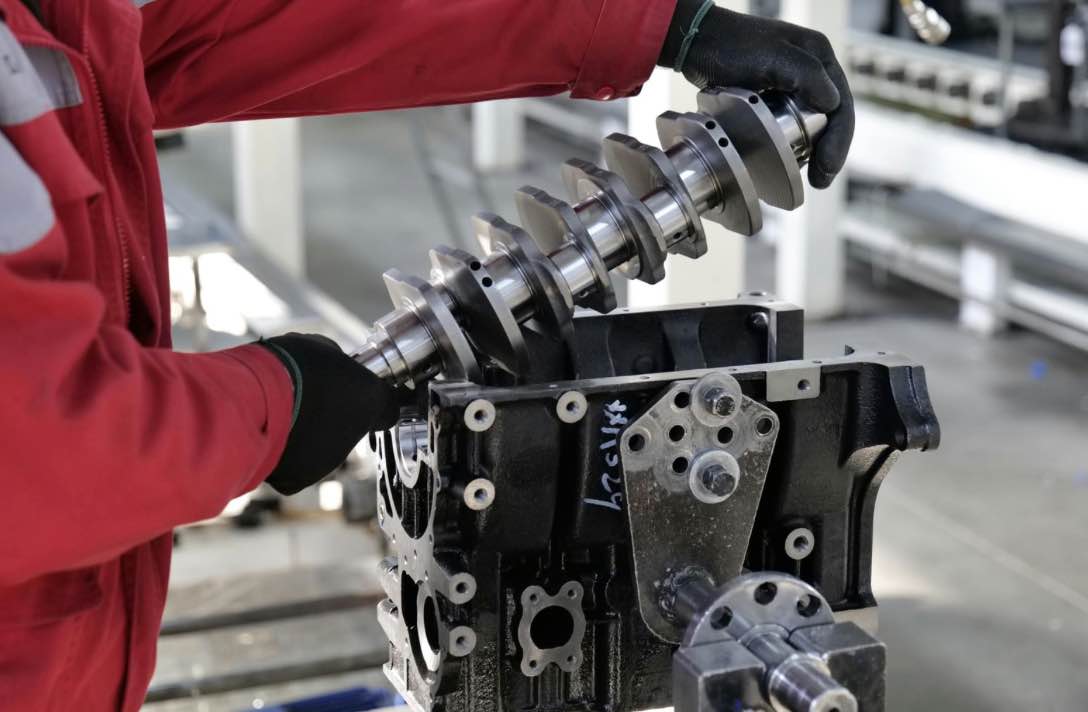
- transmission shafts
- bushings and pins
- precision cylindrical components
- parts subject to rotation or mating
In these contexts, the process ensures correct load distribution and reliable component performance within the system.
T.T.N.
Reliability Forged in Every Treatment
Benefits of precision turning
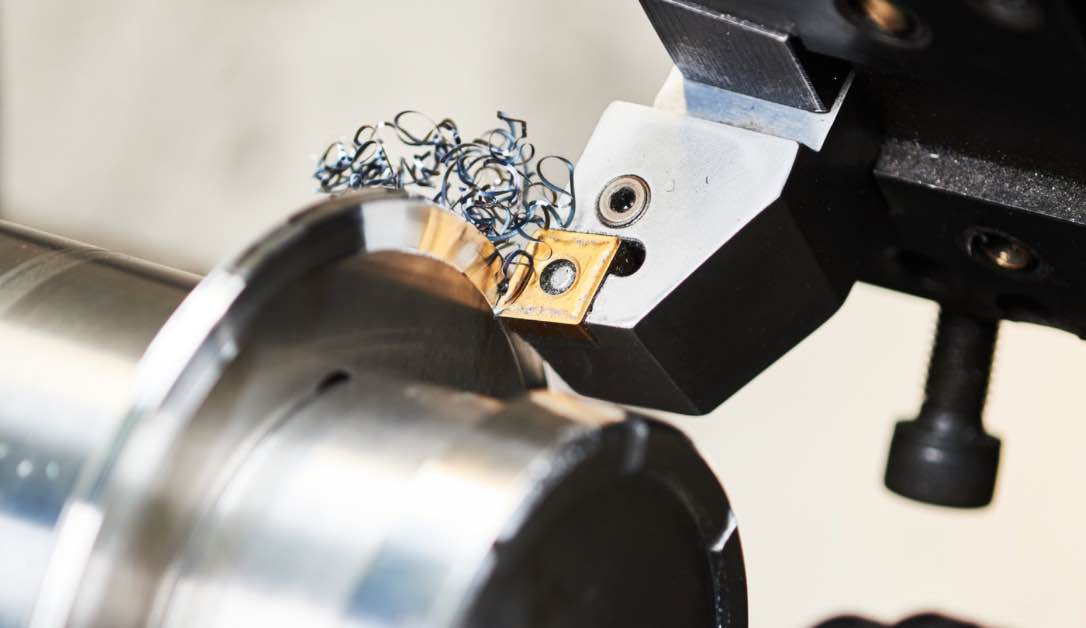
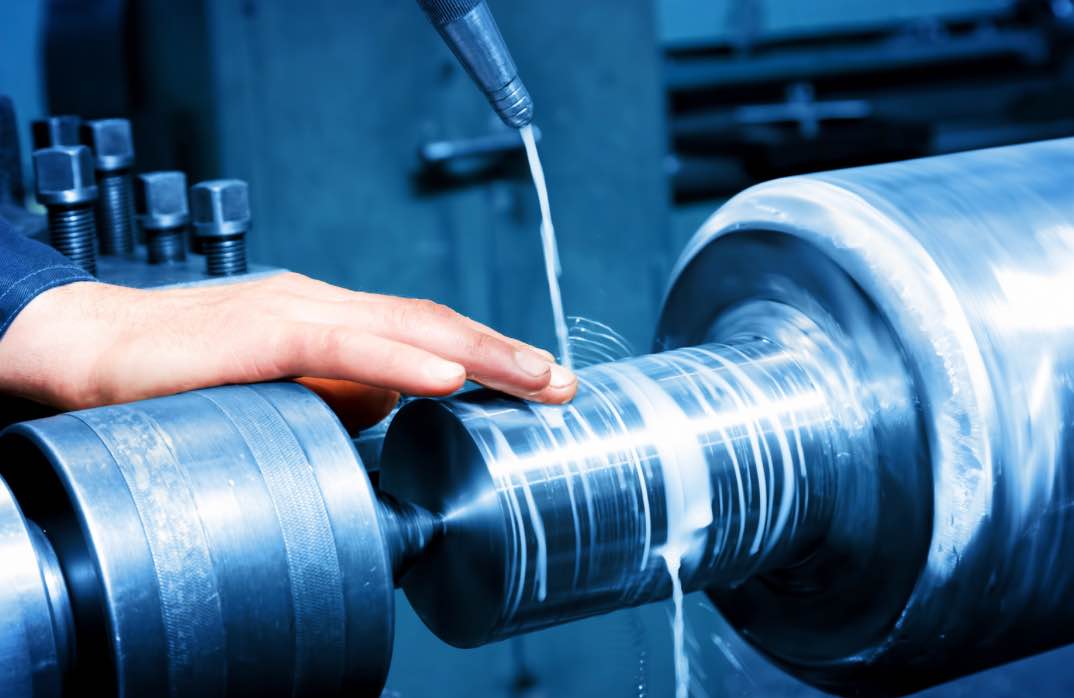
Turning provides tangible benefits in terms of diameter and tolerance accuracy, concentricity between surfaces, and controlled surface finishes. It also ensures high process repeatability, even on complex batches.
These aspects are essential for components that must operate with precise mating conditions and in demanding environments, where even minor dimensional variations can affect overall performance.
Turning of large components
Turning can also be applied to large, heavy components while maintaining control over geometries and tolerances.
At T.T.N. S.p.A., machining can be performed on:
- components with significant diameters and lengths
- heavy parts intended for technically demanding industrial sectors
- complex machining operations that require stability and precision
This makes it possible to work on components intended for applications where size and performance are critical factors.
Integration into the production cycle
Turning is part of an integrated production cycle that may include forging to define the material structure, heat treatment to optimize mechanical properties, and finishing operations such as grinding or lapping.
Integrating these stages makes it possible to obtain complete components with consistent characteristics in terms of structure, geometry, and operating performance, improving the overall reliability of the final result.

