T.T.N.
Trattamenti
Termici Nervianesi
Heat treatment, coating and integrated machining
for high-performance metal components
One contact
one solution
one partner
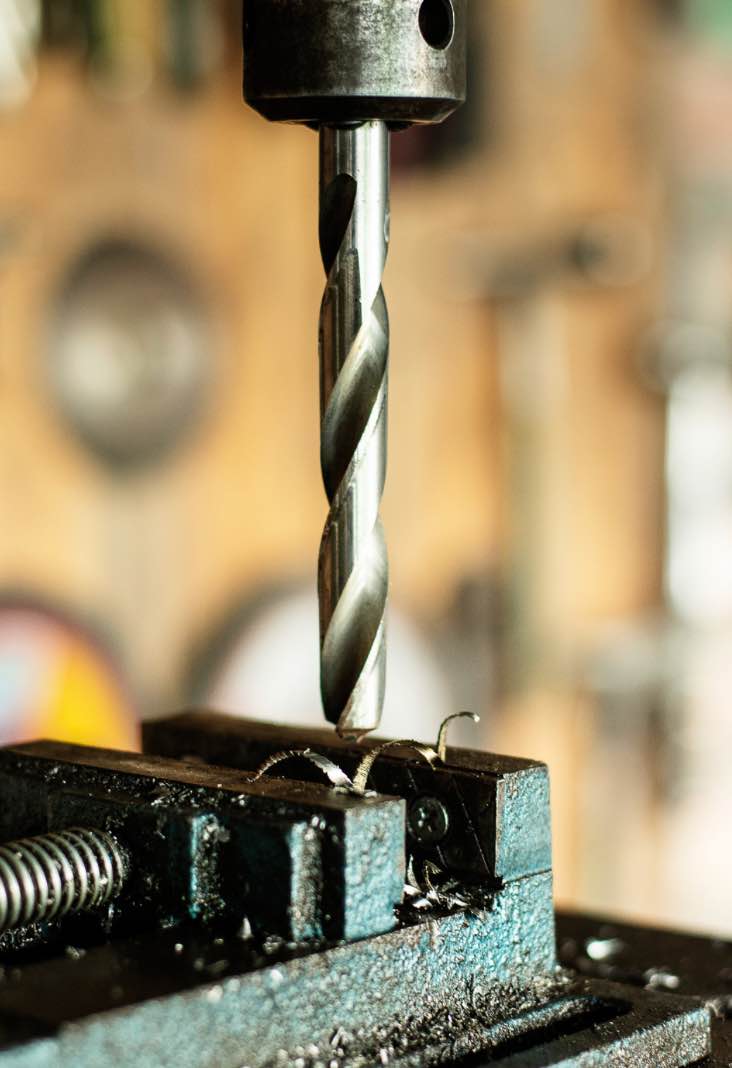
Precision boring: hole machining for tight tolerances, coaxiality, and functional mating
Precision boring is a machining process used when holes need to meet tight tolerances, coaxiality requirements, and controlled surface finish standards. If these aspects are not properly managed, issues may arise such as excessive play in mating components, premature wear, misalignment, and malfunctions in moving parts.
Unlike simple drilling, boring makes it possible to correct and refine internal geometry, ensuring high dimensional accuracy and proper alignment between parts. This results in greater operating stability, better load distribution, and longer component service life.
At T.T.N. S.p.A., this process is performed on both small and large components, including heavy parts, with the aim of obtaining internal surfaces that fully comply with technical specifications. Each operation is defined according to the material, the operating conditions, and the required performance, ensuring full control over hole behavior in service.
What boring is and how it works
Boring is a chip-removal machining process performed on a pre-existing hole using a specific boring tool.
During the process:
- the tool removes a small amount of material
- the dimensional accuracy of the hole is improved
- a more regular, uniform geometry is obtained
This operation makes it possible to correct any errors resulting from drilling, addressing ovality, misalignment, and surface irregularities. In this way, a hole with precise geometric and dimensional characteristics is obtained, ensuring correct component performance in service.
T.T.N.
Reliability Forged in Every Treatment
Technical parameters and hole quality
The quality of boring depends on the control of several technical parameters:
- tight dimensional tolerances
- coaxiality between multiple holes
- roundness and cylindricity
- controlled surface roughness
These aspects are essential for components that require precise mating, such as bearing seats, bushings, or shafts, where even minimal deviations can compromise proper operation.
Boring applications
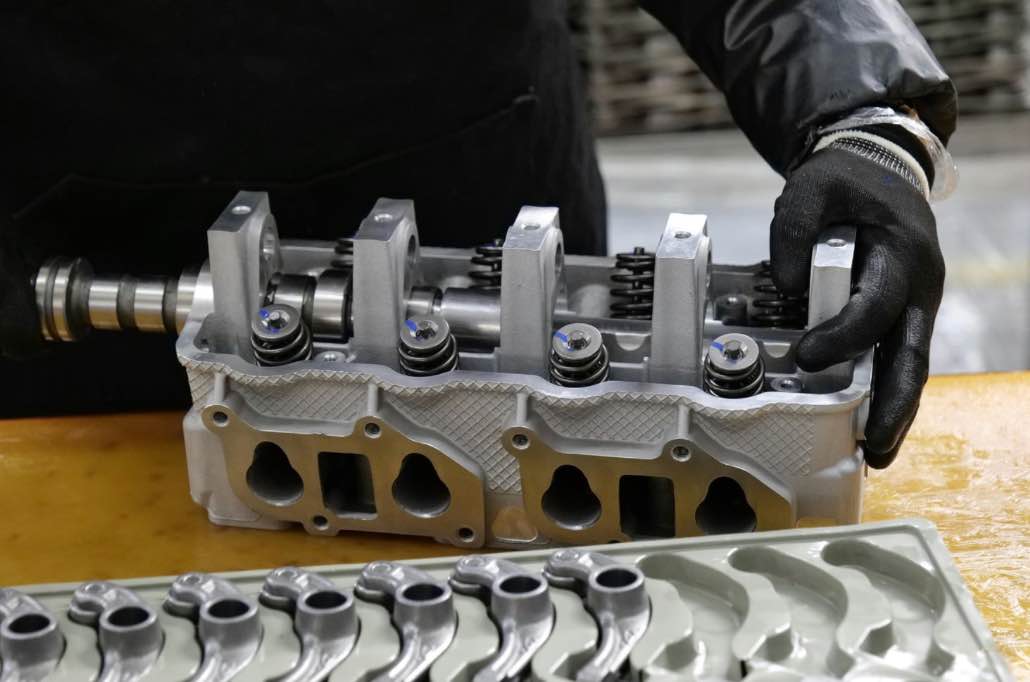
Boring is used whenever the hole is a critical feature of the component, such as in bearing seats, bushing housings, mating holes, and all components that require a high level of alignment.
In these applications, hole accuracy has a direct impact on load distribution, fatigue behavior, and component service life, playing a decisive role in overall in-service performance.
T.T.N.
Benefits of precision boring
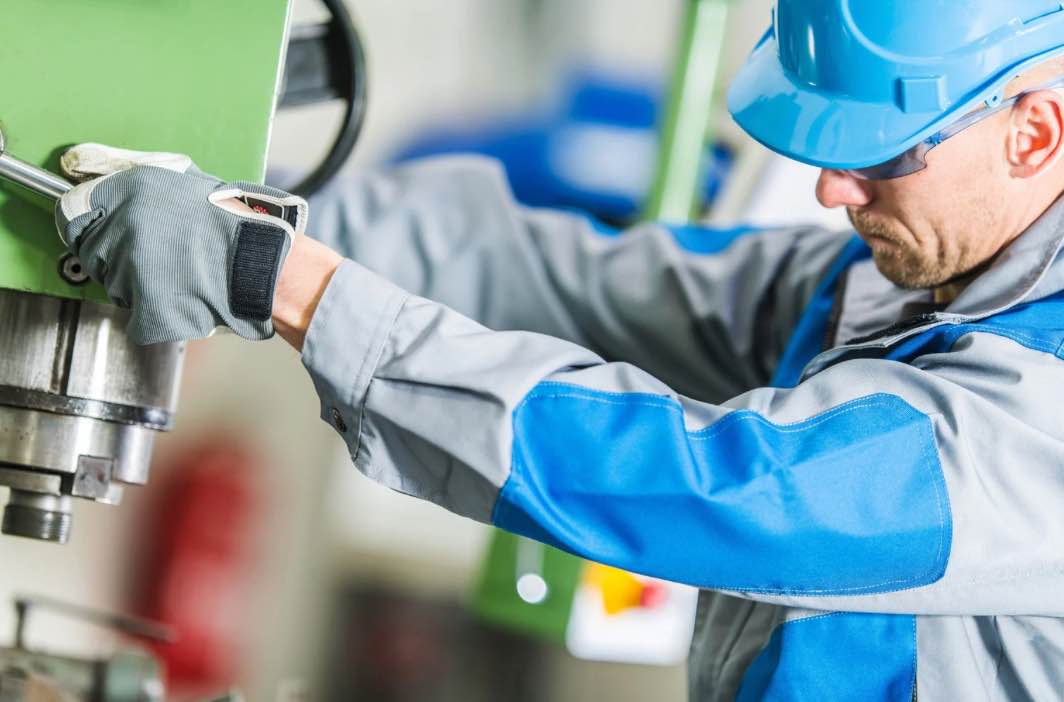
Precision boring improves hole accuracy, alignment, and surface quality, helping ensure reliable mating and stable component performance.
These benefits make the process essential for components intended for technically demanding applications.
High dimensional accuracy
Correction of geometric errors
Improved internal surface quality
Reliable mechanical mating
Boring for complex and large components
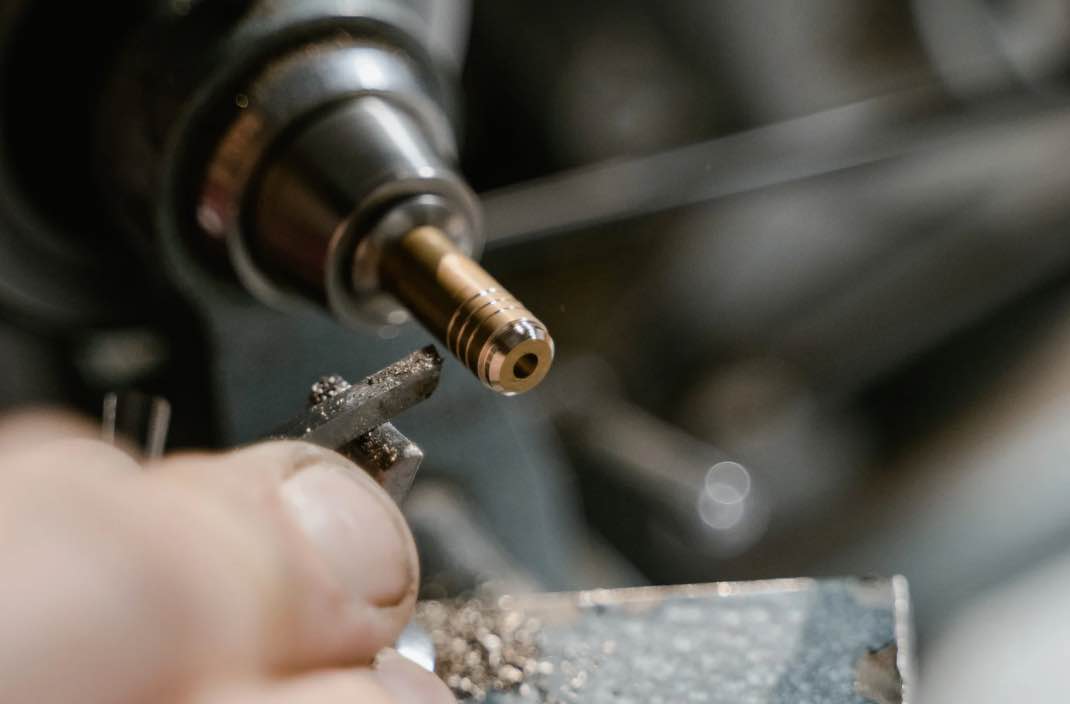
Boring can also be performed on large components while maintaining high levels of precision. At T.T.N. S.p.A., operations can be carried out on heavy parts, components with multiple aligned holes, and machining processes that require accurate control over considerable lengths.
In this context, applications can be managed where geometric accuracy must be maintained even on complex structures, ensuring reliability and consistent component performance.
Integration into the production cycle
Boring is part of a production cycle that may include:
- preliminary drilling to create the hole
- heat treatment, which may affect geometry
- finishing operations to further optimize surfaces
The correct sequence of operations makes it possible to obtain holes with consistent characteristics in terms of geometry, surface quality, and operating performance.