
T.T.N.
Trattamenti
Termici Nervianesi
Heat treatment, coating and integrated machining
for high-performance metal components
One contact
one solution
one partner
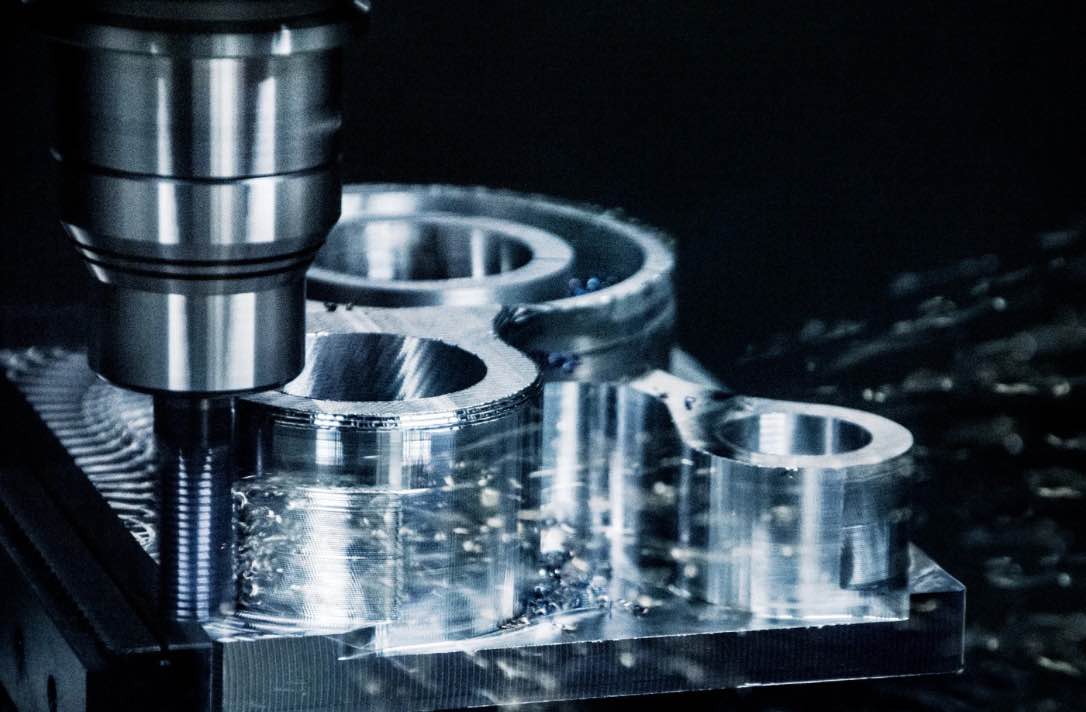
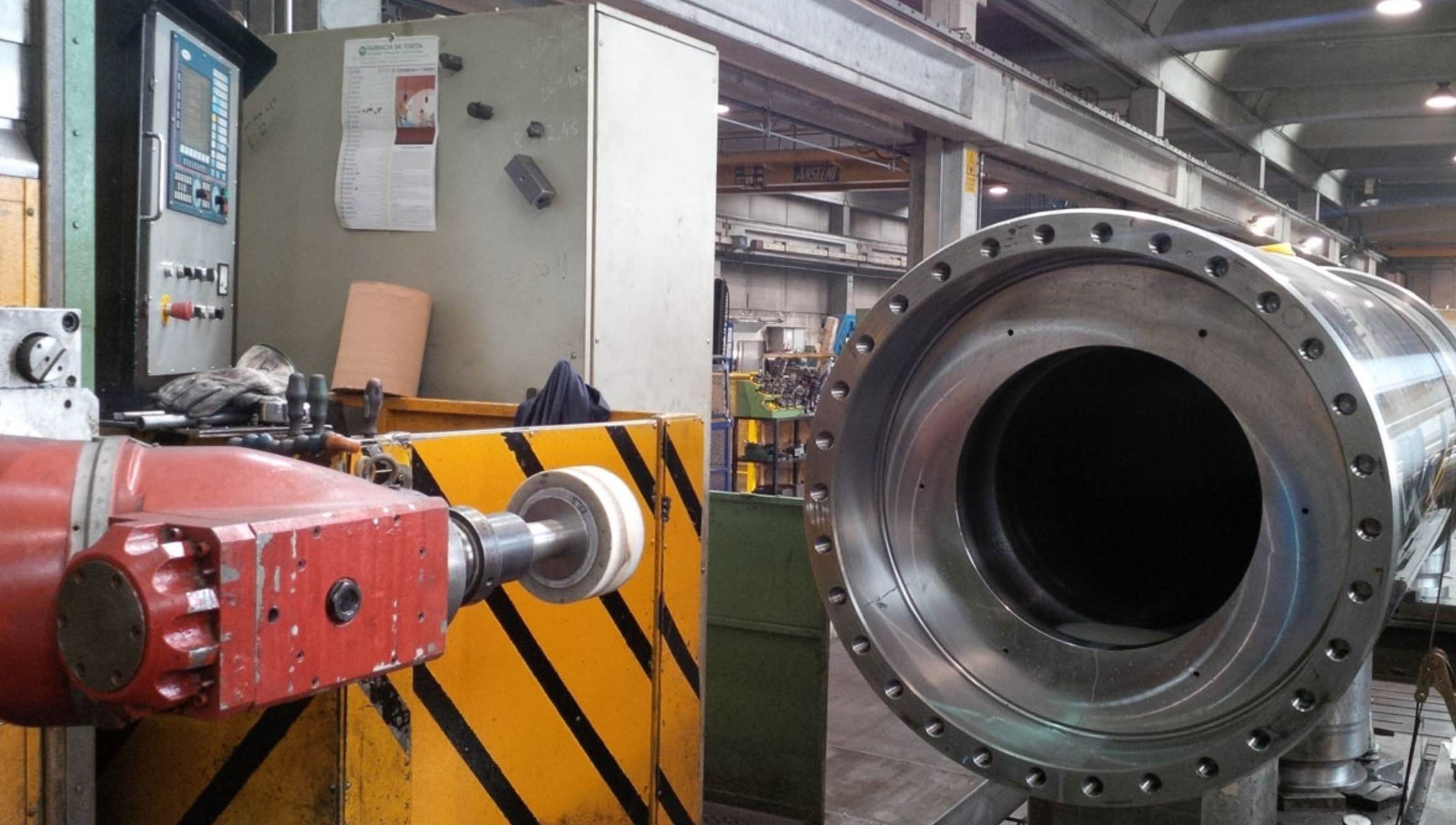
CNC milling: high-precision machining of complex surfaces and three-dimensional geometries
CNC milling is a machining process used to produce complex geometries, three-dimensional surfaces, and detailed profiles with a high level of control. When these operations are not performed precisely, misalignment, dimensional errors, and non-compliant surfaces may occur, compromising assembly and the component’s in-service performance.
When properly performed, milling ensures geometric accuracy, consistency between functional surfaces, and repeatability, even on complex or large components. This is essential for features such as slots, seats, and support surfaces, where even minor deviations can affect mating, load distribution, and operational stability.
At T.T.N. S.p.A., milling is defined according to the material, the complexity of the part, and the technical specifications, with the aim of obtaining functional surfaces suited to the component’s final use, while reducing rework and issues during assembly or operation.
What milling is and how it works
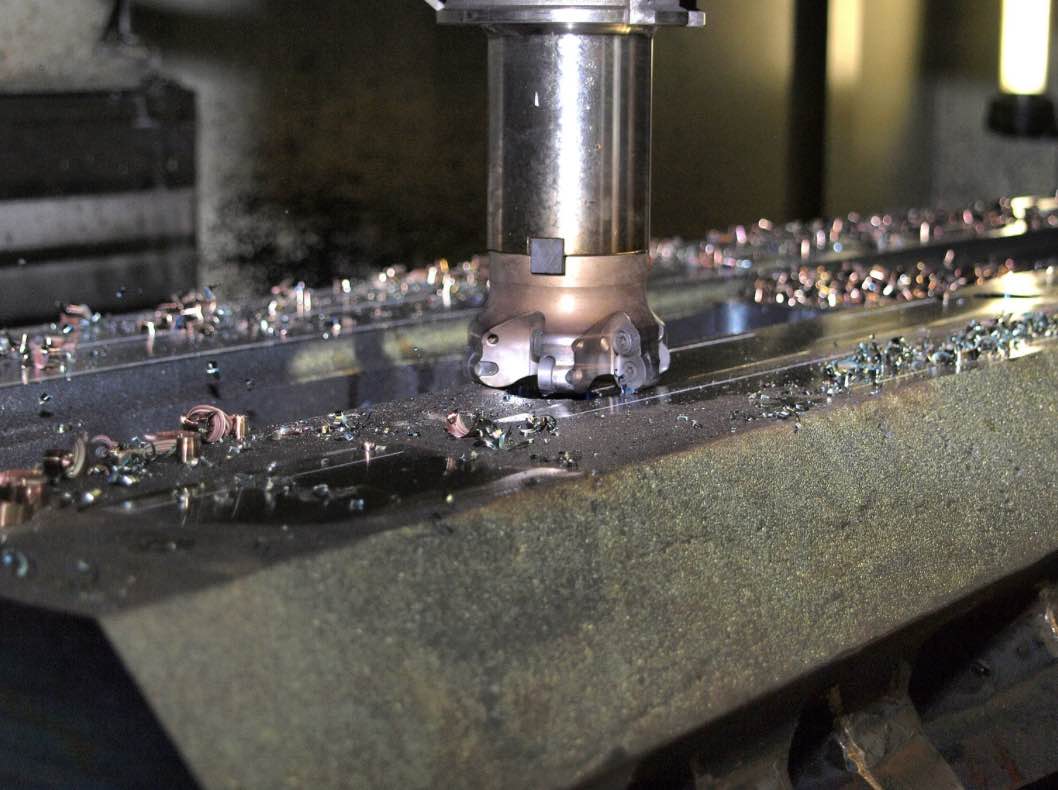
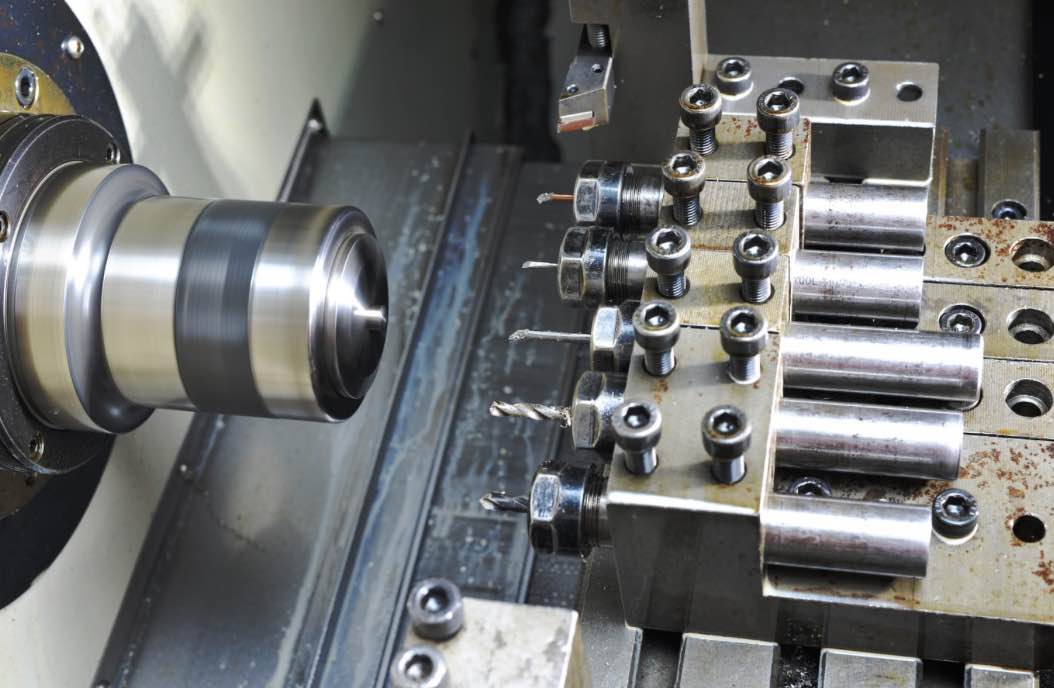
Milling is a machining process in which a rotating multi-edge cutting tool removes material from the workpiece through controlled movements along multiple axes, allowing precise management of geometries. During the cycle, the tool rotates at high speed while the workpiece or the tool itself moves along programmed paths, enabling progressive, controlled material removal.
Thanks to the ability to operate on multiple axes — 3, 4, or 5 — milling can be used to machine both simple surfaces and complex three-dimensional geometries, adapting even to non-standard components. This approach ensures high precision and geometric consistency, which are essential for correct component performance under real operating conditions.
Types of milling operations
Milling makes it possible to perform different types of operations:
- face milling, for support surfaces
- profile milling, for shaped geometries
- slot and seat milling, for functional housings
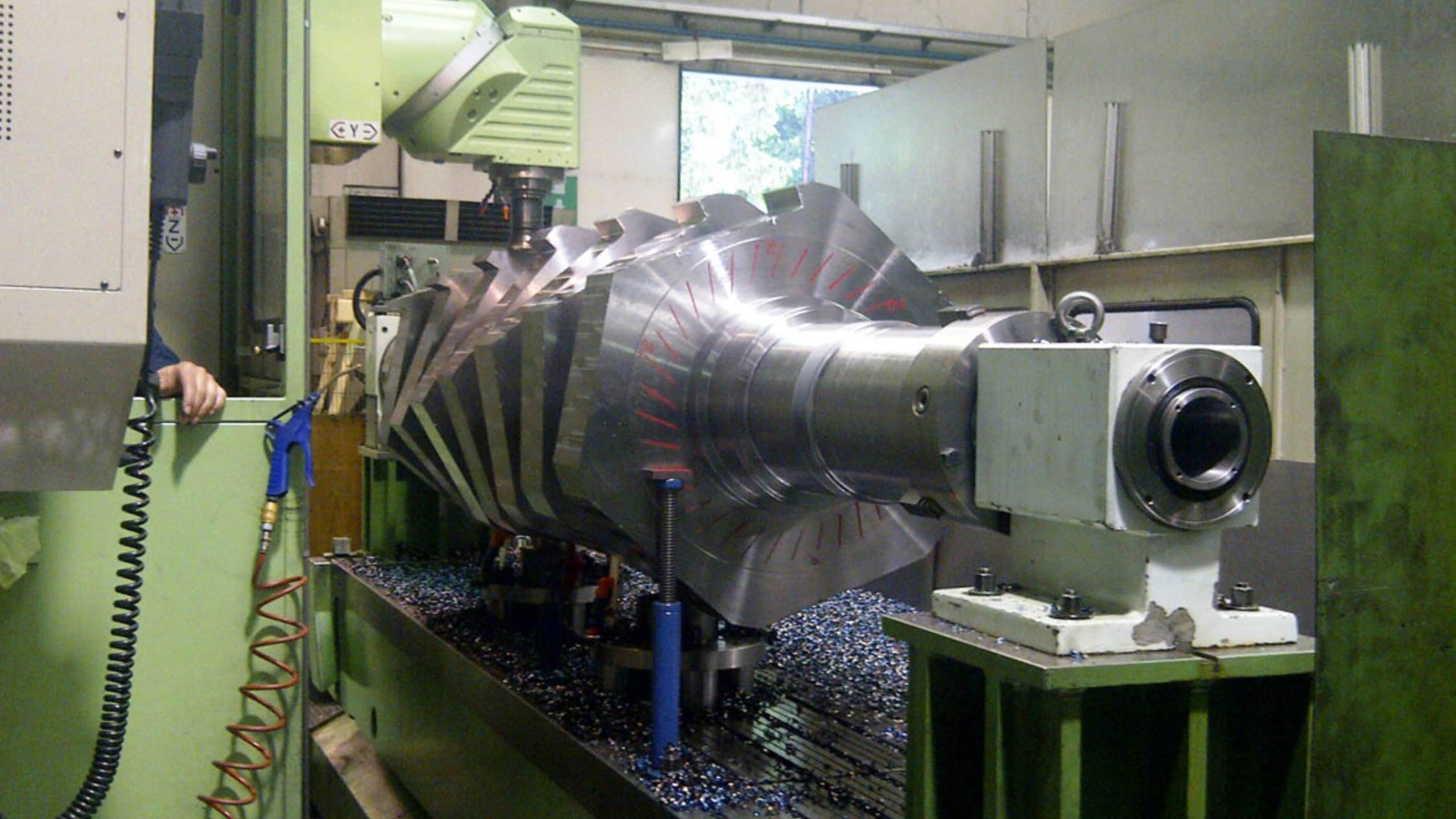
- 3D milling, for complex components
The choice of machining strategy depends on the geometry of the part and the required performance.
T.T.N.
Technical parameters and machining quality
The quality of milling depends on the control of parameters that directly affect the final result and the component’s performance in service. In particular, it is essential to ensure dimensional accuracy, flatness and parallelism of surfaces, controlled surface roughness, and cutting process stability.
If these aspects are not properly managed, assembly issues, abnormal wear, or loss of component efficiency may occur. Accurate control, on the other hand, makes it possible to obtain truly functional surfaces that are consistent with the technical specifications.
Milling applications
Milling is used whenever complex geometries and surfaces with a precise technical function are required. Main applications include:
- support surfaces and functional surfaces
- seats for mechanical components
- structural parts with complex geometries
- components requiring three-dimensional machining
In these applications, machining quality has a direct impact on assembly, load distribution, and component performance.
T.T.N.
Reliability Forged in Every Treatment
Benefits of CNC milling
CNC milling provides tangible benefits in terms of quality and process control:
- high flexibility in achievable geometries
- process precision and repeatability
- ability to machine complex components
- control over functional surfaces
These aspects make milling a strategic process for components that must maintain consistent performance, even under complex operating conditions.
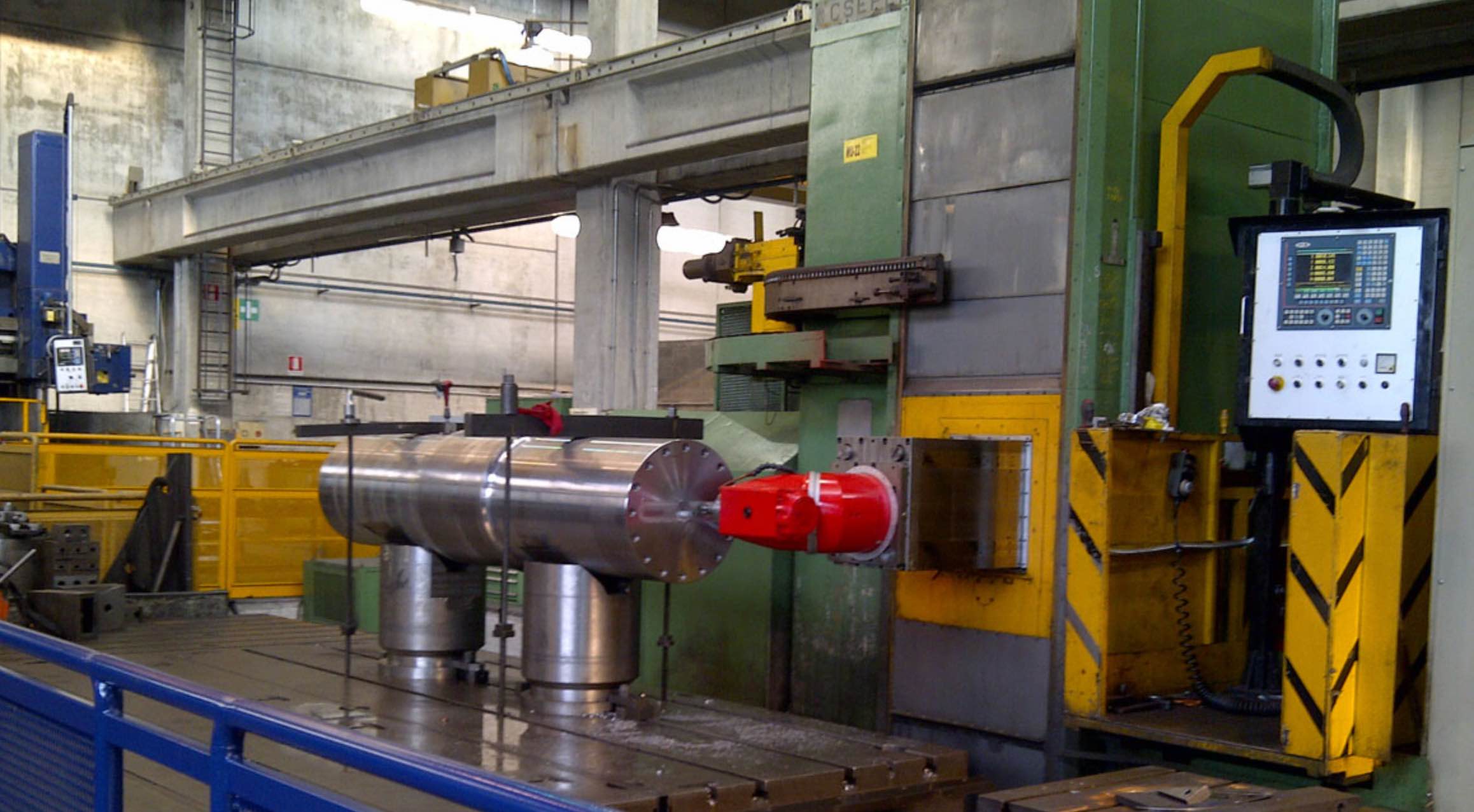
Milling of large components
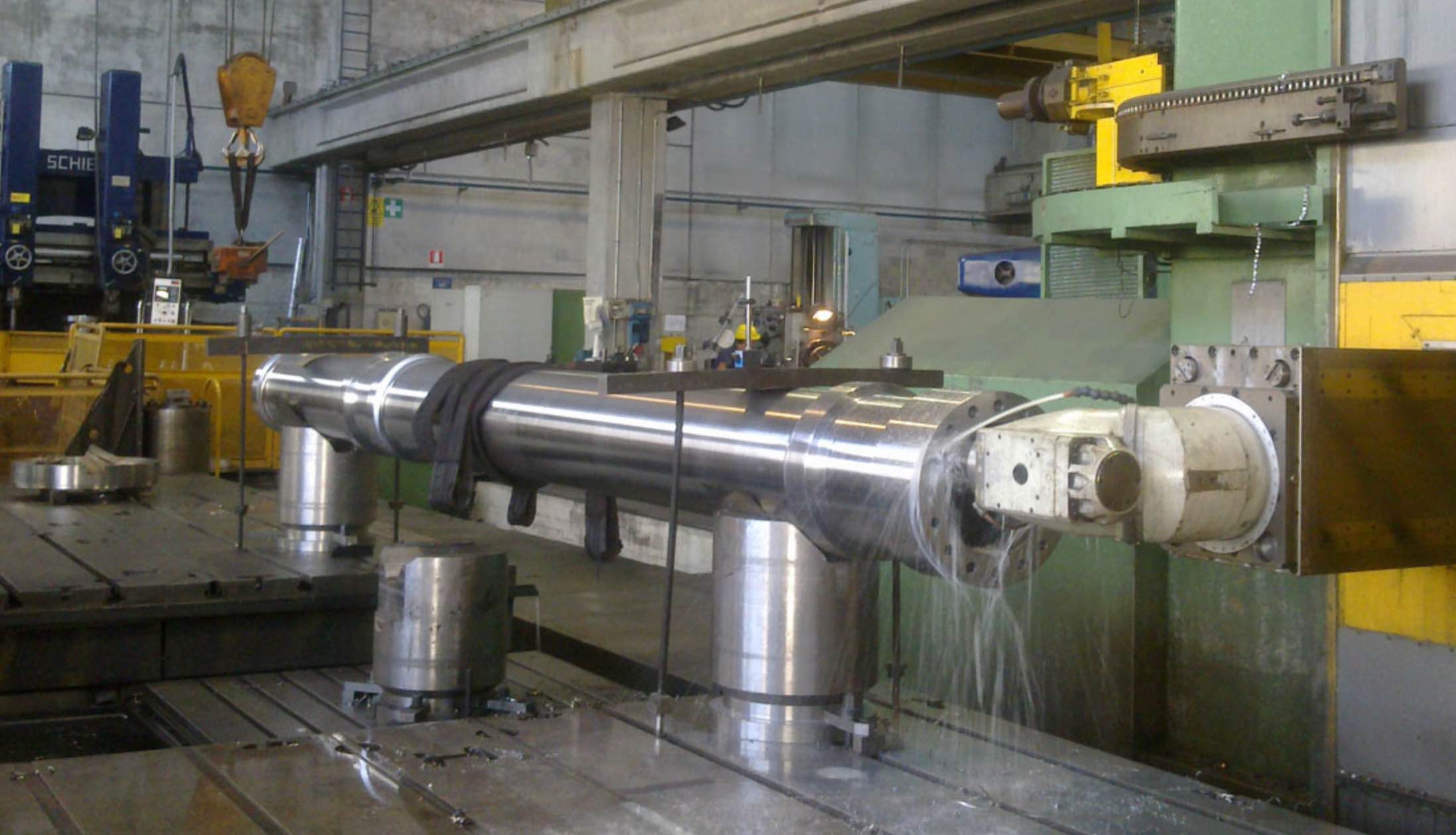
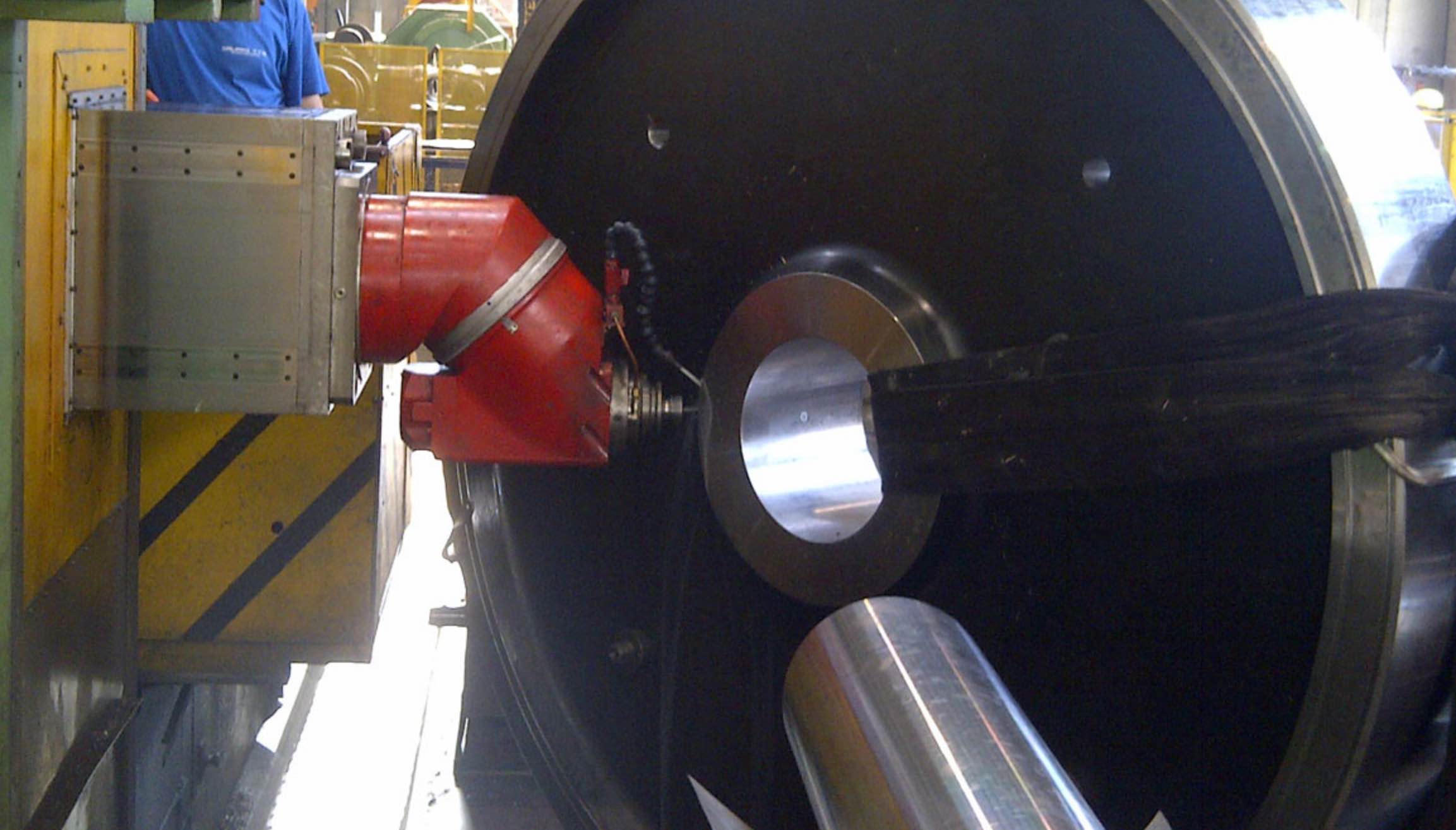
Milling can also be applied to large components while maintaining precision and process control. At T.T.N. S.p.A., operations can be performed on long components, complex geometries on heavy parts, and machining processes that require stability and precision even on large-sized components.
This makes it possible to manage applications where size and performance are critical factors, without compromising the quality of the result.
Integration into the production cycle
Milling is part of an integrated production cycle that may include forging, heat treatment, and finishing operations such as grinding or lapping. Integrating these stages helps maintain consistency between the material structure, geometry, and functional surfaces, reducing rework and errors while improving the overall reliability of the component.

