T.T.N.
Trattamenti
Termici Nervianesi
Heat treatment, coating and integrated machining
for high-performance metal components
One contact
one solution
one partner
Deep-hole and peripheral drilling for high-precision holes
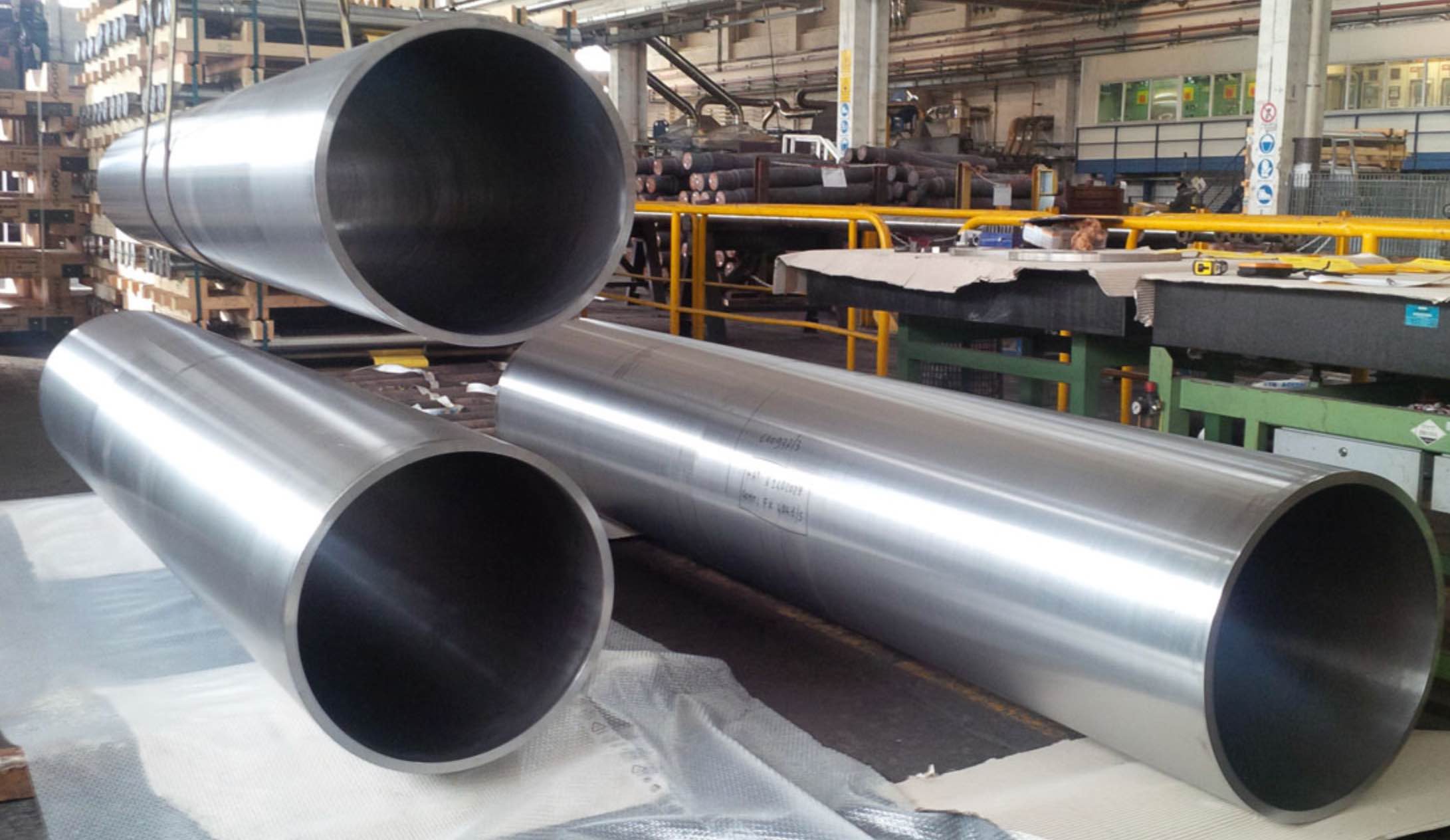
Deep-hole and peripheral drilling is an essential machining process when a component requires holes with precise geometries, significant depths, and controlled dimensional tolerances. In these applications, any deviation from the hole axis, surface irregularities, or improper chip evacuation can compromise mating, fluid distribution, or the component’s mechanical performance in service.
Through a controlled process, holes can be produced with high concentricity, geometric stability, and surface quality consistent with the technical specifications, even on complex or large components. This makes it possible to obtain more reliable components, reduce the risk of rework, and ensure consistent performance over time.
At T.T.N. S.p.A., drilling is defined according to the material, the diameter-to-depth ratio, the geometry of the component, and the final operating conditions, with the aim of ensuring precision, repeatability, and full technical compliance.
What deep-hole drilling is and how it works
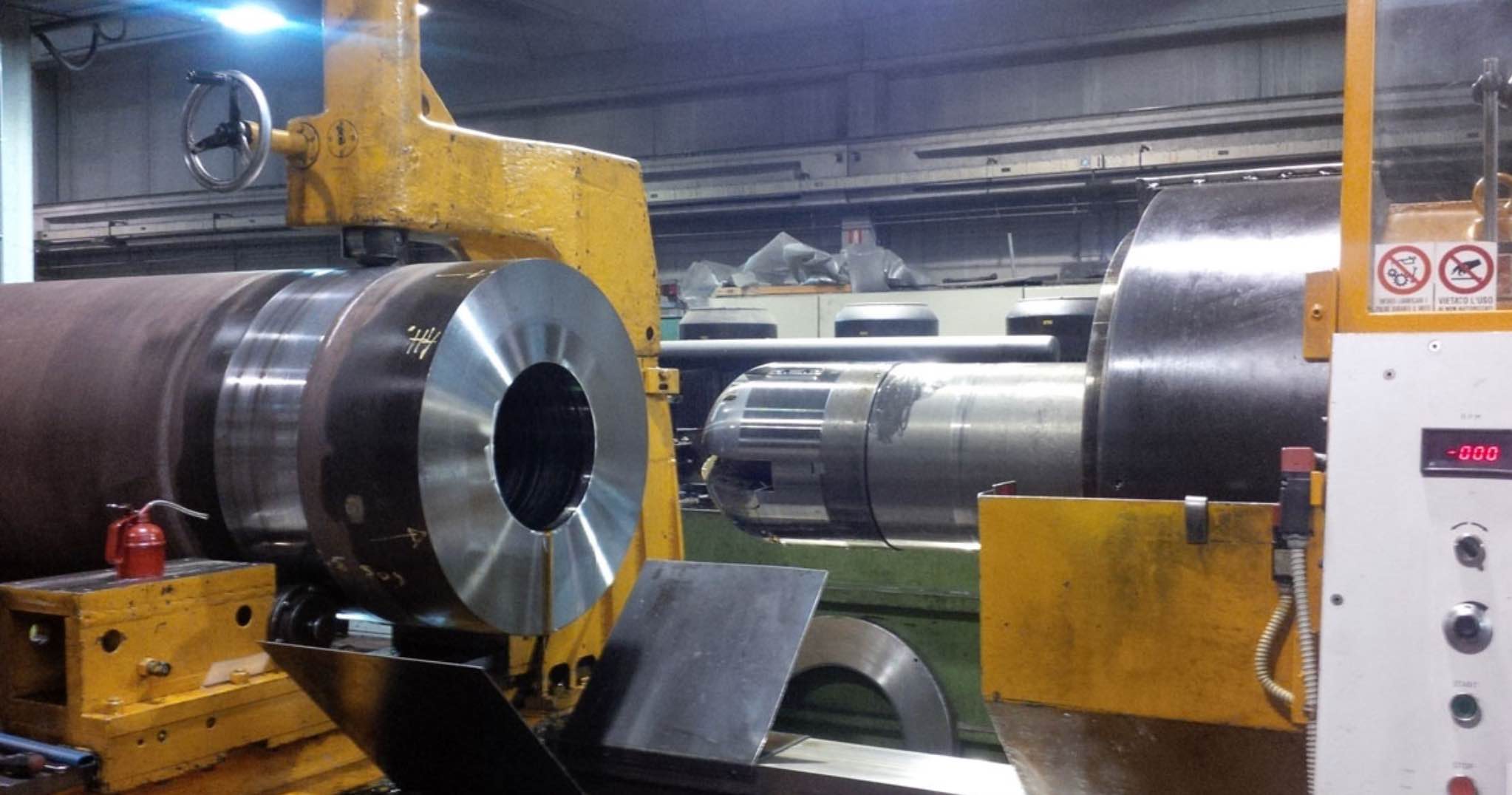
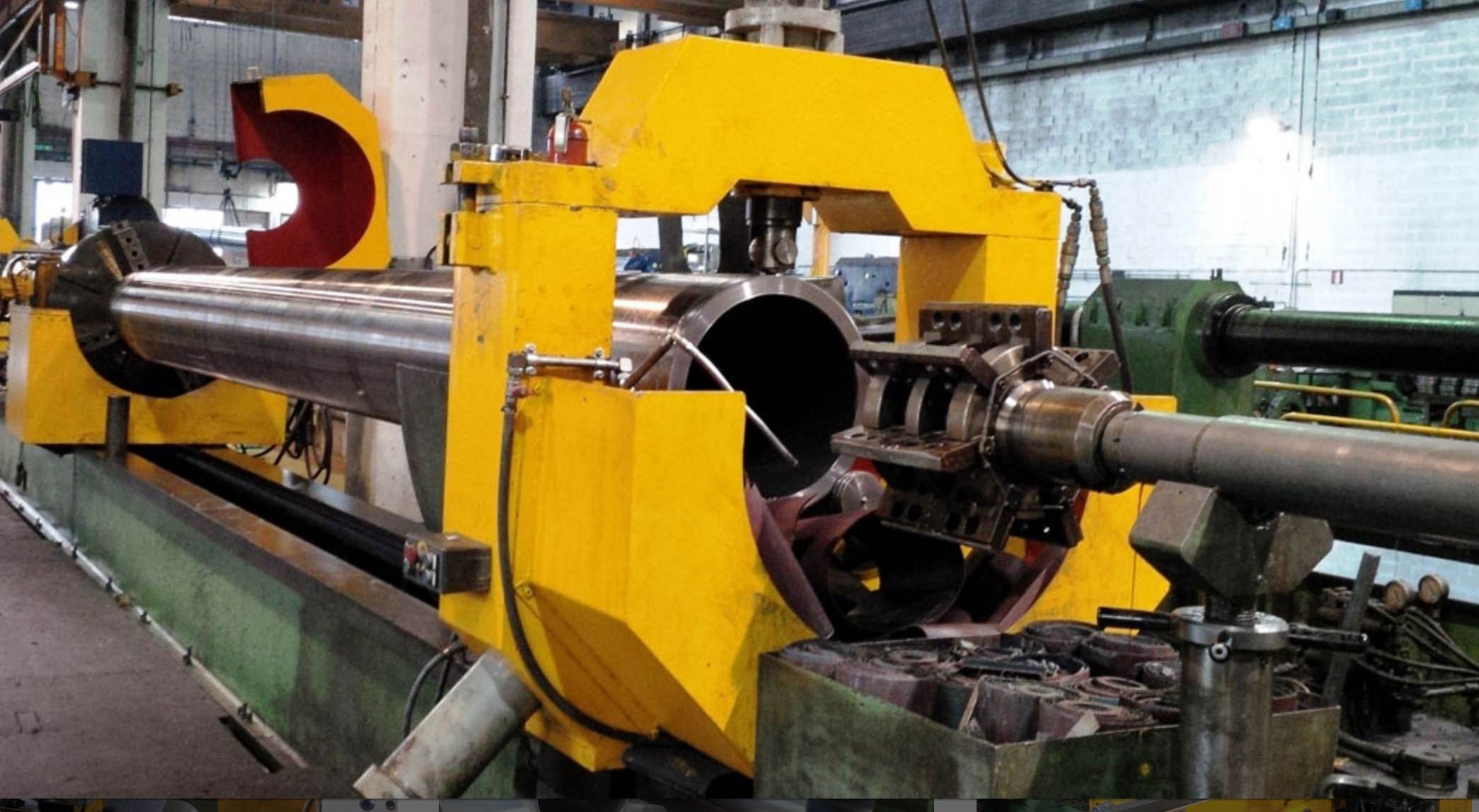
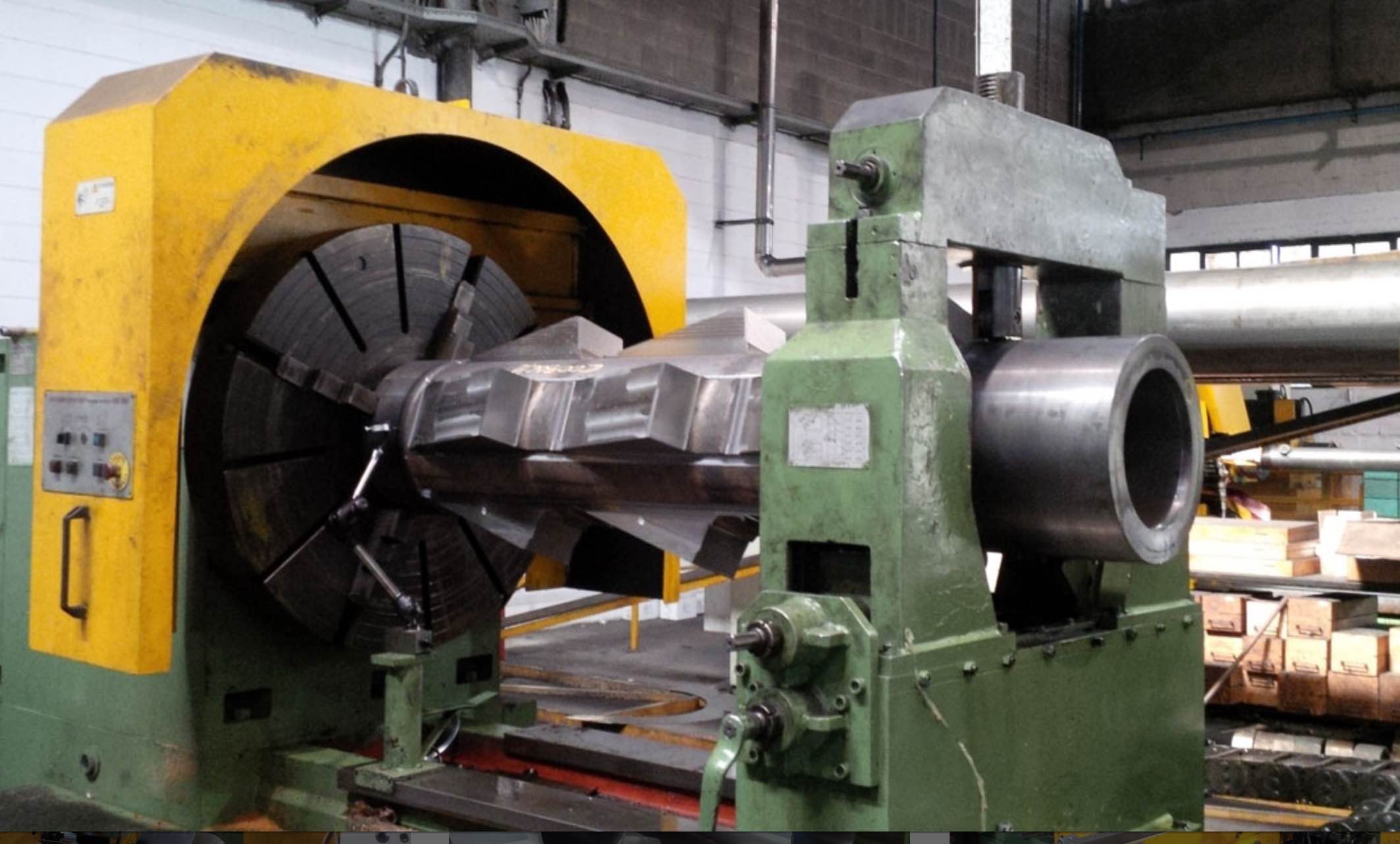
Deep-hole drilling is a chip-removal machining process used when a hole must reach significant depths while maintaining geometric accuracy and stability along the entire axis. The process is performed using specific tools and controlled parameters, making it possible to manage cooling, chip evacuation, and cutting stability effectively.
During machining:
- the tool progressively penetrates the material with controlled feed
- coolant supports temperature control and chip evacuation
- the hole maintains geometric consistency even over considerable lengths
This approach makes it possible to obtain reliable technical holes, even on components intended for complex operating conditions.
Difference between deep-hole drilling and peripheral drilling
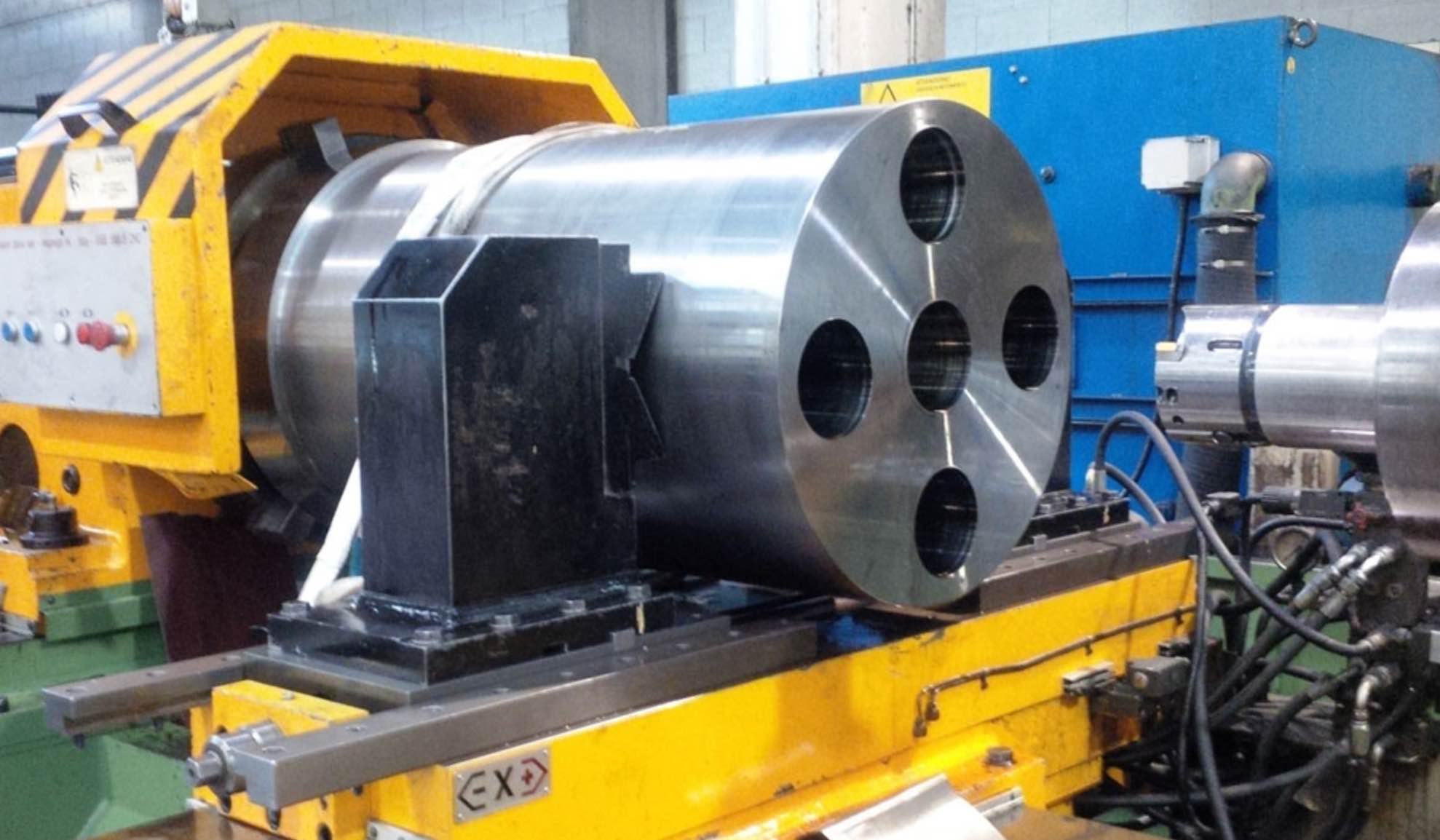
Deep-hole drilling is used when the depth-to-diameter ratio requires very precise process control. Peripheral drilling, on the other hand, is used to produce functional holes on side surfaces or complex geometries, where accessibility, positioning, and hole accuracy are critical factors.
The choice between the two processes depends on:
- component geometry
- hole position
- required depth
- the technical function of the part
A preliminary analysis makes it possible to define the most suitable machining strategy for the specific application.
T.T.N.
Technical drilling applications
Deep-hole and peripheral drilling are used whenever the hole performs a specific technical function within the component.
Main applications include:
- fluid passage or lubrication circuits
- mechanical components with structural holes
- shafts, cylinders, and rotating components
- parts intended for high-precision systems
In these applications, machining quality has a direct impact on reliability, service life, and operating performance.
Benefits of precision drilling
When properly performed, drilling provides tangible benefits:
- high hole concentricity
- geometric stability even at significant depths
- improved internal surface quality
- reduced risk of deviation or rework
These aspects are critical when the component must ensure consistent performance, even under demanding operating conditions.
T.T.N.
Reliability Forged in Every Treatment
Integration into the production cycle
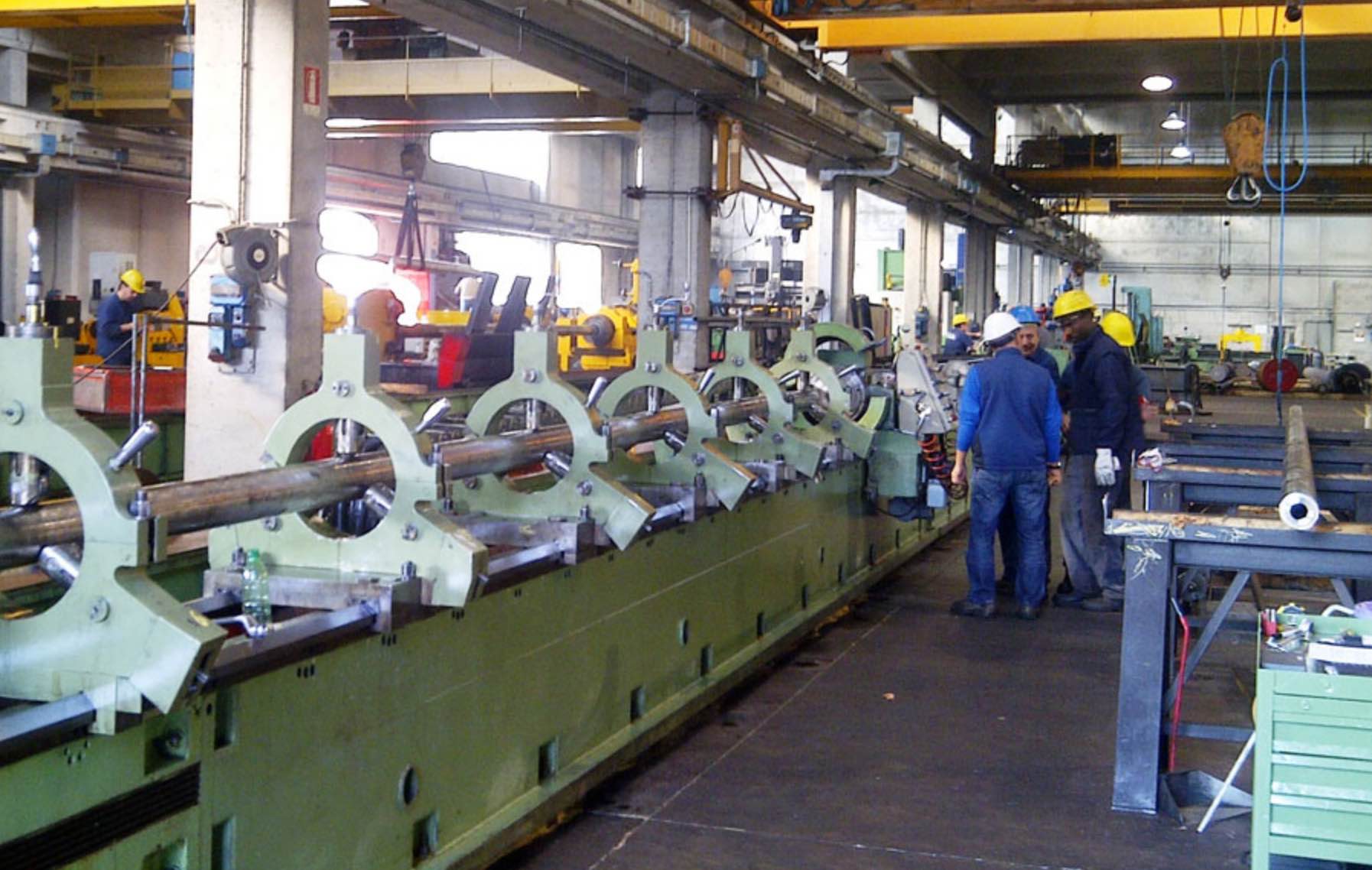
Drilling is part of an integrated production cycle that may include forging, heat treatment, boring, large-diameter boring, or finishing operations. The correct sequence of operations helps maintain consistency between the material structure, hole geometry, and the component’s final performance.
This approach makes it possible to obtain components ready for assembly or subsequent processing, while maintaining control over quality, precision, and long-term reliability.