T.T.N.
Trattamenti
Termici Nervianesi
Heat treatment, coating and integrated machining
for high-performance metal components
One contact
one solution
one partner
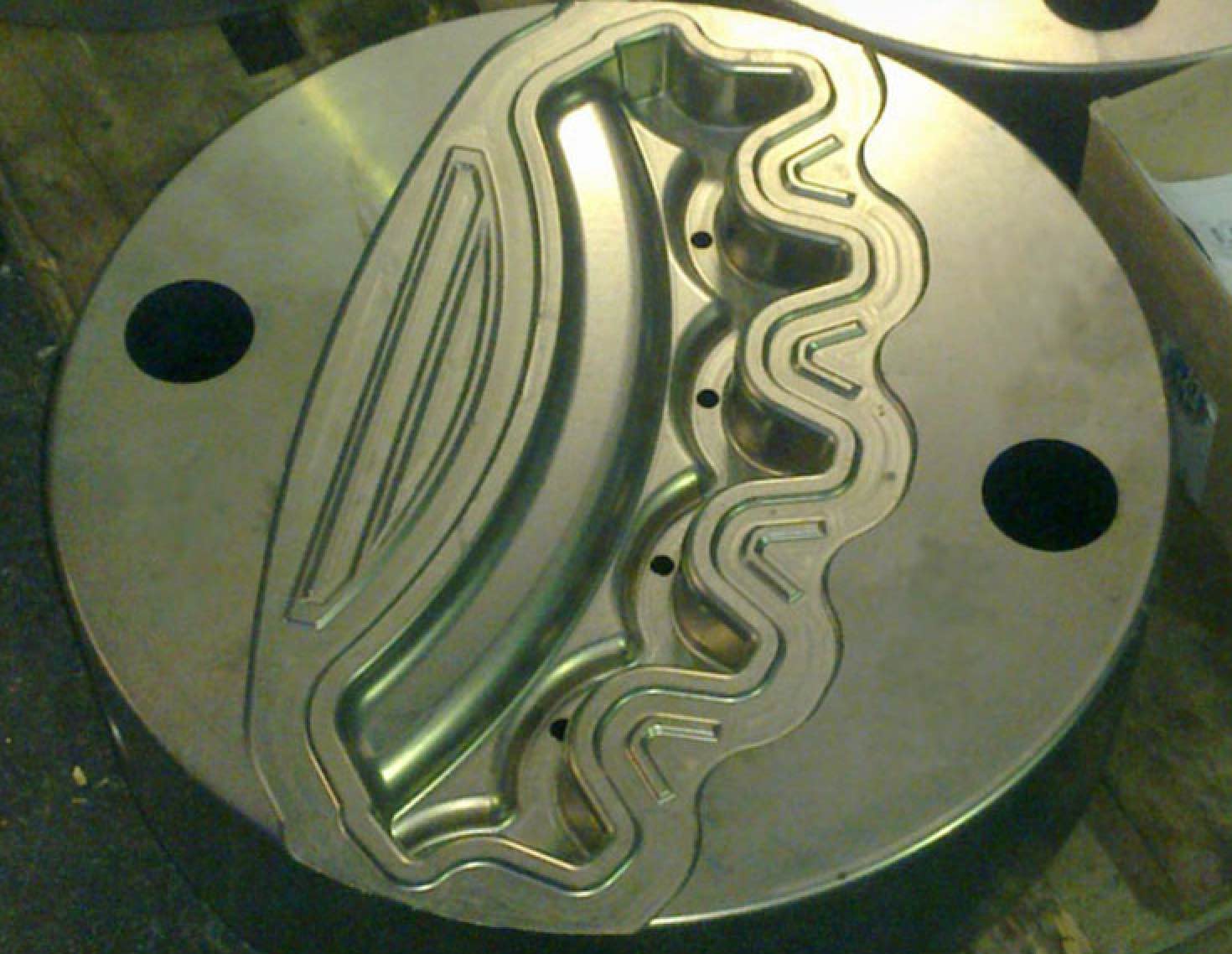
Precision lapping: controlled surface finishing for highly reliable mating
Lapping becomes essential when machined surfaces show micro-irregularities, high friction, or imperfect mating that compromises component operation. In these cases, even minimal imperfections can cause premature wear, sealing losses, vibration, or uneven load distribution.
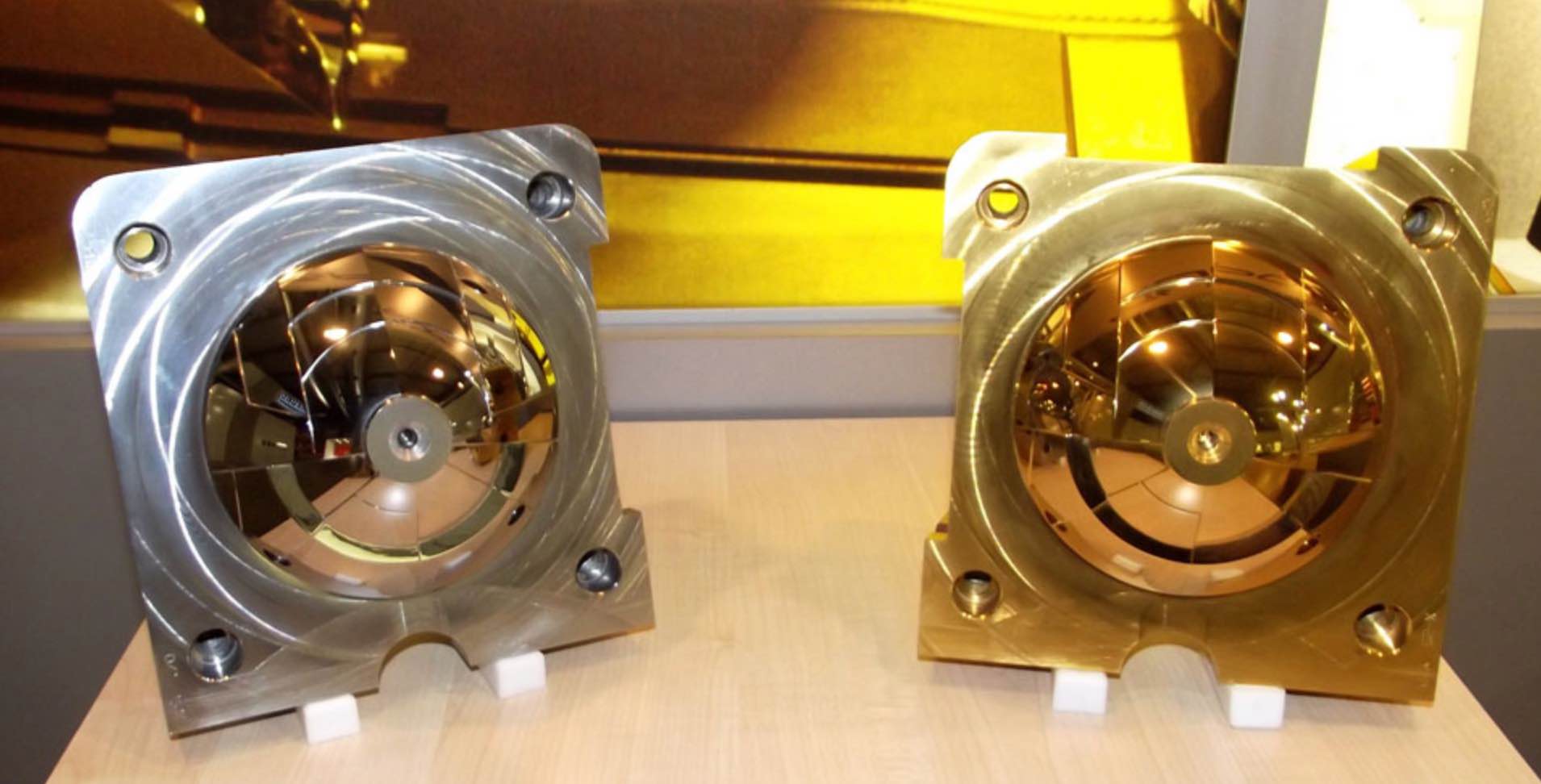
Through an extremely controlled process, lapping makes it possible to work on the surface microgeometry, achieving very low roughness values and precise mating. The result is a surface that operates more efficiently, with reduced friction, improved sealing, and greater stability in service.
At T.T.N. S.p.A., lapping is applied when high, consistent performance over time is required, especially on components where surface quality has a direct impact on service life, reliability, and operating behavior.
What lapping is and how it works
Lapping is a finishing process in which a surface is worked through the combined action of fine abrasives and a tool known as a lap, which may be flat or shaped. During the process, an abrasive is placed between the tool and the component, and the relative motion between the surfaces allows extremely controlled material removal, acting directly on the microgeometry.
This makes it possible to obtain uniform, precise surfaces without altering the overall shape of the part.
Precision and surface quality
Lapping is used when very high levels of precision and surface quality are required. It helps address issues related to friction, sealing, and imperfect mating, improving component performance under real operating conditions.
Surface control therefore becomes a decisive factor in ensuring reliability, stability, and long service life.
T.T.N.
Lapping applications
Lapping is used in all applications where surface quality is critical to component operation. It is used for:
- sealing and mating surfaces
- components subject to controlled friction
- elements requiring high dimensional accuracy
- parts designed to operate under demanding conditions
In these cases, surface finish has a direct impact on performance, service life, and reliability.
Benefits of lapping
Precision lapping acts directly on surface quality, improving component performance in the most critical contact areas. More uniform surfaces, extremely low roughness values, and more precise mating help reduce friction, improve sealing, and ensure more stable operation over time.
This type of finishing is particularly useful for high-precision components, where even minimal surface irregularities can affect wear, load distribution, and performance continuity.
T.T.N.
Reliability Forged in Every Treatment
Lapping and previous machining processes
Lapping is generally performed after processes such as grinding or milling, when higher levels of surface finish are required. It can be applied to components that have already undergone heat treatment to improve surface quality, correct micro-imperfections, and optimize contact surfaces, resulting in components with consistent characteristics in terms of structure, geometry, and surface quality.
Integration into the production cycle
Lapping is a final stage of the production cycle and is essential to ensuring the overall quality of the component. It integrates with preliminary machining processes, heat treatment, and other finishing operations, helping obtain ready-to-use components with reliable, repeatable performance over time.