
T.T.N.
Trattamenti
Termici Nervianesi
Heat treatment, coating and integrated machining
for high-performance metal components
One contact
one solution
one partner
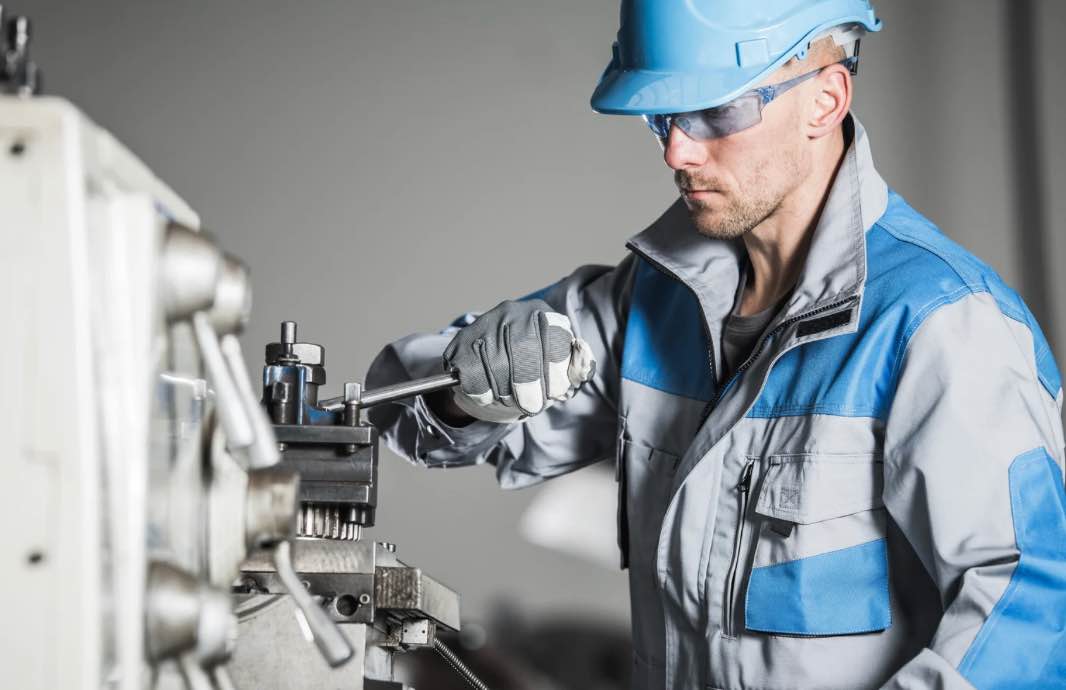
Precision internal boring for holes and internal seats
Precision internal boring is an essential machining process when holes must not only meet a dimensional value, but also ensure precise mechanical functions within an assembly. It becomes essential when geometric inaccuracies, misalignment, or surface irregularities may compromise correct component operation.
In these cases, an improperly machined hole can cause abnormal wear, excessive play, vibration, or uneven load distribution, with direct consequences for reliability and service life. By working on existing holes, internal boring makes it possible to restore coaxiality, dimensional accuracy, and surface quality, all of which are essential to ensure correct mating and stable in-service performance.
The result is a component whose internal surfaces work more efficiently, improving performance continuity over time and reducing operational issues. At T.T.N. S.p.A., internal boring is applied to components of different sizes and levels of complexity, with the aim of obtaining truly functional holes that are consistent with the technical specifications and real operating conditions.
What internal boring is and how it works
Internal boring is an internal machining process that uses a single- or multi-edge cutting tool to remove material from an existing hole. During the process, the tool enters the hole and moves along the axis with controlled movements, allowing precise material removal and producing a regular, functional internal surface.
This makes it possible to work precisely on the geometry of the hole, improving its dimensional and operating characteristics.
Geometric accuracy and hole quality
Internal boring is used when a high level of geometric accuracy is required, especially in the presence of critical mating conditions. Process control makes it possible to address issues related to misalignment, ovality, and surface irregularities, improving component stability and long-term reliability.
T.T.N.
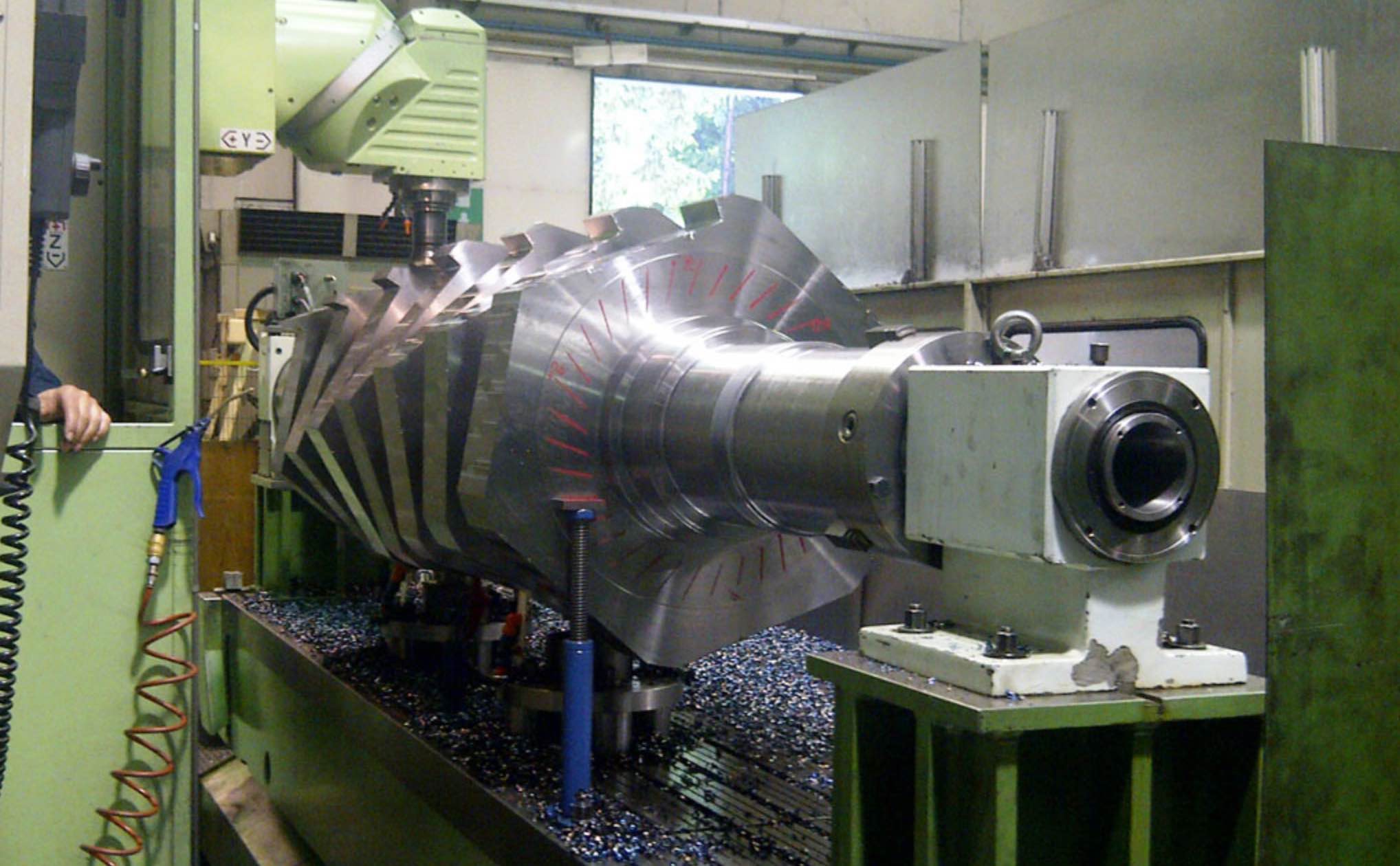
Internal boring applications
Internal boring is used in all applications where internal holes perform a critical technical function.
In these cases, hole accuracy has a direct impact on performance, load distribution, and system reliability.
Benefits of precision internal boring
Internal boring provides tangible benefits:
- correction of dimensional and geometric errors
- improved internal surface quality
- precision in mating features
- greater in-service reliability
These benefits make internal boring an essential process for technically demanding components.
Bearing seats and bushing housings
Precision housings
Rotating components
Complex mechanical structures
Internal boring and previous operations
Internal boring is performed after operations such as drilling or casting, when the hole needs to be brought to its final specifications. This step makes it possible to correct any deviations, improve surface quality, and ensure tolerances compatible with mating requirements, resulting in components ready for assembly or subsequent processing.
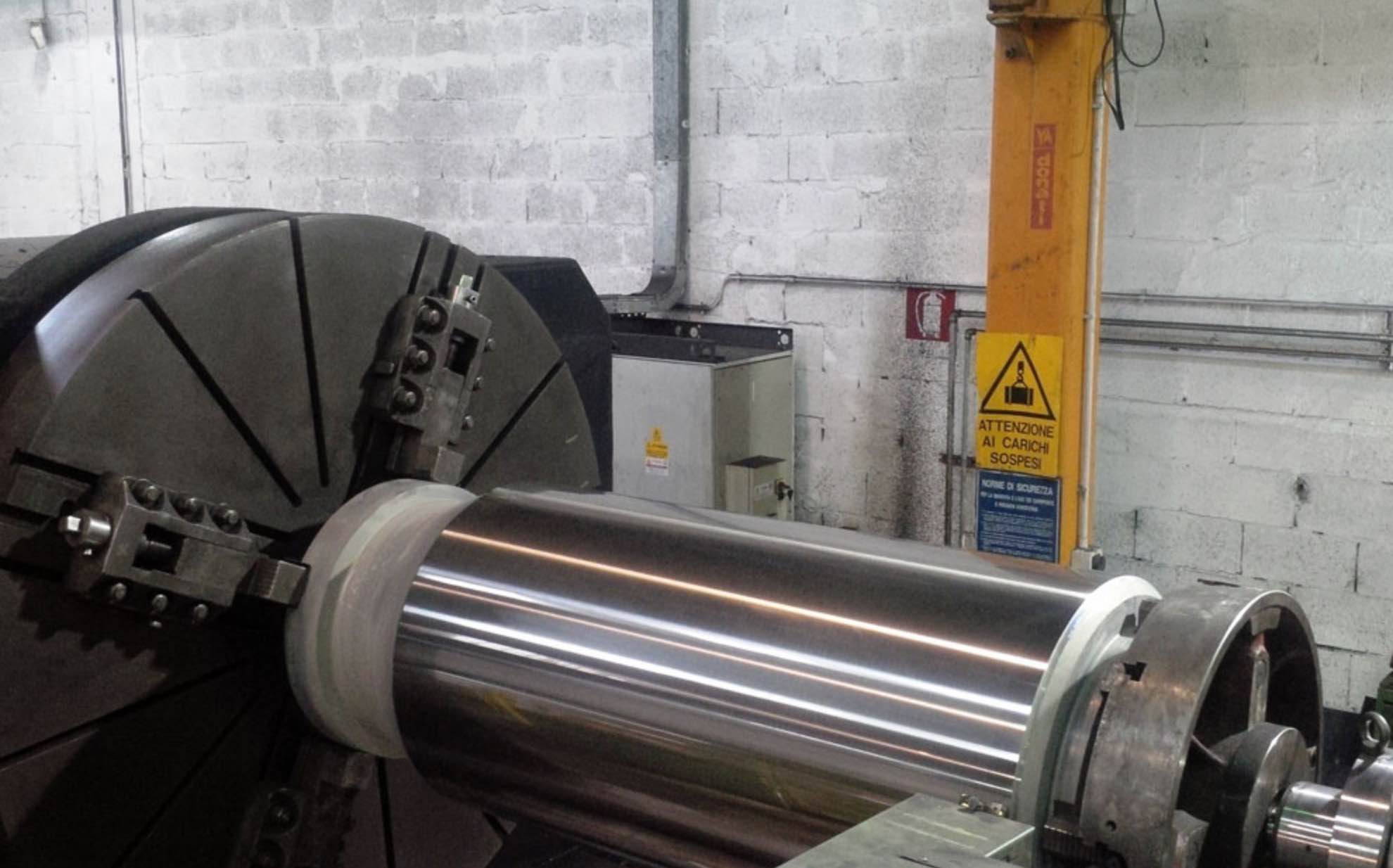
Integration into the production cycle
Internal boring fits into a broader production cycle that may include drilling, machining, and heat treatment. Integrating these stages makes it possible to obtain components with consistent characteristics in terms of geometry, structure, and operating performance, reducing critical issues and improving overall reliability.

